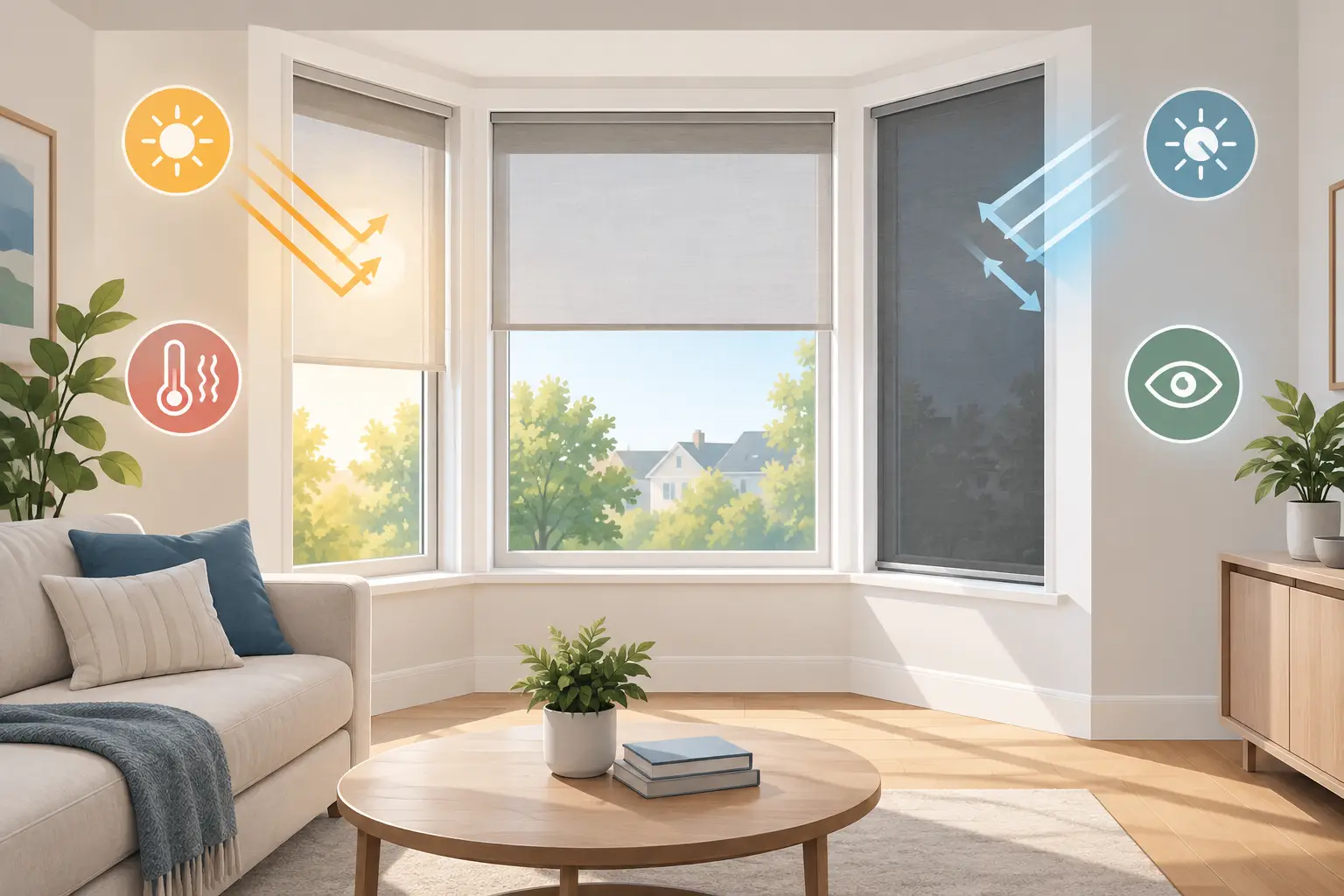
The room looks bright enough until the sun shifts, glare hits the screen, and suddenly everyone is lowering blinds or moving seats. At the same time, the windows that let in useful daylight can also leave a home, office or static caravan feeling too exposed. That is exactly where a window film for privacy and light guide becomes useful – not as a cosmetic extra, but as a practical way to improve comfort, control and day-to-day usability.
Window film works by changing how glass handles light, heat and visibility. The right film can keep a space brighter than curtains or blinds would, while still reducing glare, limiting UV, and improving daytime privacy. The key is choosing a film based on how the room is used, the direction of the glass, and what kind of privacy you actually need.
What window film really does for privacy and light
Many people start with one problem in mind – being overlooked, struggling with glare, or trying to stop a room overheating – but window film usually affects several things at once. A professionally selected film can reduce harsh brightness, cut UV exposure, improve comfort near the glass, and make a room easier to use throughout the day.
Privacy and light are often treated as opposites, but they do not have to be. The best films are designed to maintain good levels of natural light while limiting direct visibility from outside in daylight conditions. That means a front room can still feel open and usable, an office can still feel professional and well lit, and a static caravan can stay brighter without feeling on display.
There is a trade-off, though. The more privacy or solar control you ask a film to provide, the more it may affect visible light transmission. That does not mean rooms become dark, but it does mean there is a balance to strike between performance and appearance.
A window film for privacy and light guide by property type
Different buildings need different solutions because the glass is used differently. A south-facing conservatory has very different demands from a roadside shopfront or a holiday caravan on an exposed coastal park.
Homes
In domestic settings, window film is often chosen to deal with overlooking and glare without shutting the room off from daylight. Living rooms, kitchens and conservatories are common areas where blinds stay half closed for much of the day, which defeats the point of having large windows in the first place.
A privacy or reflective solar film can often give daytime privacy while still keeping the room bright. It can also help protect flooring, furniture and fabrics from UV fading. For households with televisions, laptops or tablets near windows, glare reduction becomes just as important as privacy.
The main question in homes is usually whether the customer wants a subtle finish or a more reflective look. Some prefer a neutral appearance from inside and out, while others are happy to prioritise stronger solar and privacy performance.
Static caravans
Static caravans benefit particularly well from window film because they often have large areas of glass, lighter construction and more direct sun exposure during warmer months. Interiors can heat up quickly, and privacy can be limited when neighbouring units are close by.
A well-matched film can help make the space cooler, reduce eye strain from glare and add useful daytime privacy without relying on curtains being drawn. That matters in holiday settings, where people want the view and daylight, but not the sense of being visible from every angle.
Because caravan interiors are compact, even a modest improvement in solar control can make the whole space feel more comfortable.
Commercial premises
For offices, shops and other commercial buildings, window film is usually about performance first. Staff comfort, screen visibility, solar gain and professional appearance all matter. In customer-facing spaces, glare can affect displays and working conditions. In offices, excessive brightness can make desks near windows the least popular seats in the building.
Commercial-grade film can reduce glare, improve comfort and give a more consistent internal environment, especially where blinds create patchy lighting and a closed-in feel. Privacy films can also be useful for meeting rooms, reception areas and ground-floor glazing where discretion matters.
Understanding the main film options
Not all privacy films behave the same way, and this is where many buying decisions go wrong. A film may be sold as a privacy product, but the type of privacy it offers can vary.
Reflective films are one of the most effective options for daytime privacy. They work by creating a mirrored external appearance when it is brighter outside than inside. They are also strong performers for glare and solar reduction, which makes them popular for homes, static caravans and offices with regular sun exposure.
Neutral solar films offer a softer appearance. They are useful where customers want reduced glare and heat without a highly reflective finish. Privacy may be more limited than with a stronger reflective product, but the overall look can be more understated.
Frosted or obscured films provide constant visual screening rather than light-reactive privacy. These are ideal where you need privacy all day, regardless of internal or external light levels – for example bathrooms, entrance doors, partitions or certain office areas. The trade-off is that they block the view through the glass completely, so they are about screening rather than preserving outlook.
Daytime privacy is not the same as night-time privacy
This is one of the most important parts of any window film for privacy and light guide. Standard reflective privacy film works best in daylight, when outdoor light is stronger than indoor light. In the evening, once interior lights are on, that effect changes. If it is brighter inside than outside, visibility can reverse.
For that reason, film should be chosen with realistic expectations. If the goal is daytime privacy and a brighter room without closed blinds, reflective film is often a strong fit. If the goal is full privacy at all hours, a frosted or fully obscured solution may be more suitable for the specific windows involved.
In many properties, the best result comes from mixing film types rather than using one product everywhere.
How to choose the right film without guessing
The right starting point is not the colour of the film. It is the problem you need to solve first.
If the main issue is overlooking during the day, a privacy-focused reflective film may be the answer. If the room is already private enough but suffers from overheating and glare, a solar control film with a lighter appearance may be better. If a meeting room, bathroom or front door needs permanent screening, obscured film is usually the more practical choice.
Glass type matters as well. Different films suit different glazing units, and using the wrong product on certain glass can create unnecessary thermal stress. That is why proper specification and installation matter. This is not just about how the film looks when fitted, but how it performs safely over time.
Orientation also makes a difference. South- and west-facing glazing often needs stronger solar control than windows that receive softer or shorter periods of sun. A coastal static caravan in full summer exposure will not need the same film as a shaded office entrance in Chester or a front room in Conwy.
Why professional installation makes a difference
Window film is a performance product, so fitting quality affects the result. Poorly installed film can show dust contamination, edge lift, trapped moisture and uneven finish. More importantly, incorrect product choice can mean the film does not deliver the expected privacy, glare control or thermal benefit.
Professional installation gives you a better chance of matching the film to the glass, the building use and the result you actually want. That matters whether you are improving a family home, managing a commercial site, or making a static caravan more comfortable in peak season.
For customers across North Wales, the Wirral, Chester and surrounding areas, the value is not just in having film applied neatly. It is in getting a tailored solution that fits the property and avoids trial and error.
When window film is the right choice
Window film is a strong option when you want to keep natural light, improve daytime privacy and reduce glare without turning to heavy coverings. It suits spaces that feel too exposed, too bright or too hot for part of the day, especially where blinds and curtains solve one problem while creating another.
It is not a miracle fix for every window. Some rooms need a combination of film and soft furnishings. Some properties need stronger privacy in selected areas rather than across every pane. But where the balance is right, film can make a room easier to live or work in from the moment it is fitted.
If you want the glass in your property to do more than simply let light in, the sensible next step is to choose a film based on performance, not guesswork. For tailored advice on homes, static caravans and commercial premises, contact Tinting For Glass at https://tintingforglass.com and get the right solution for the way your space is actually used.