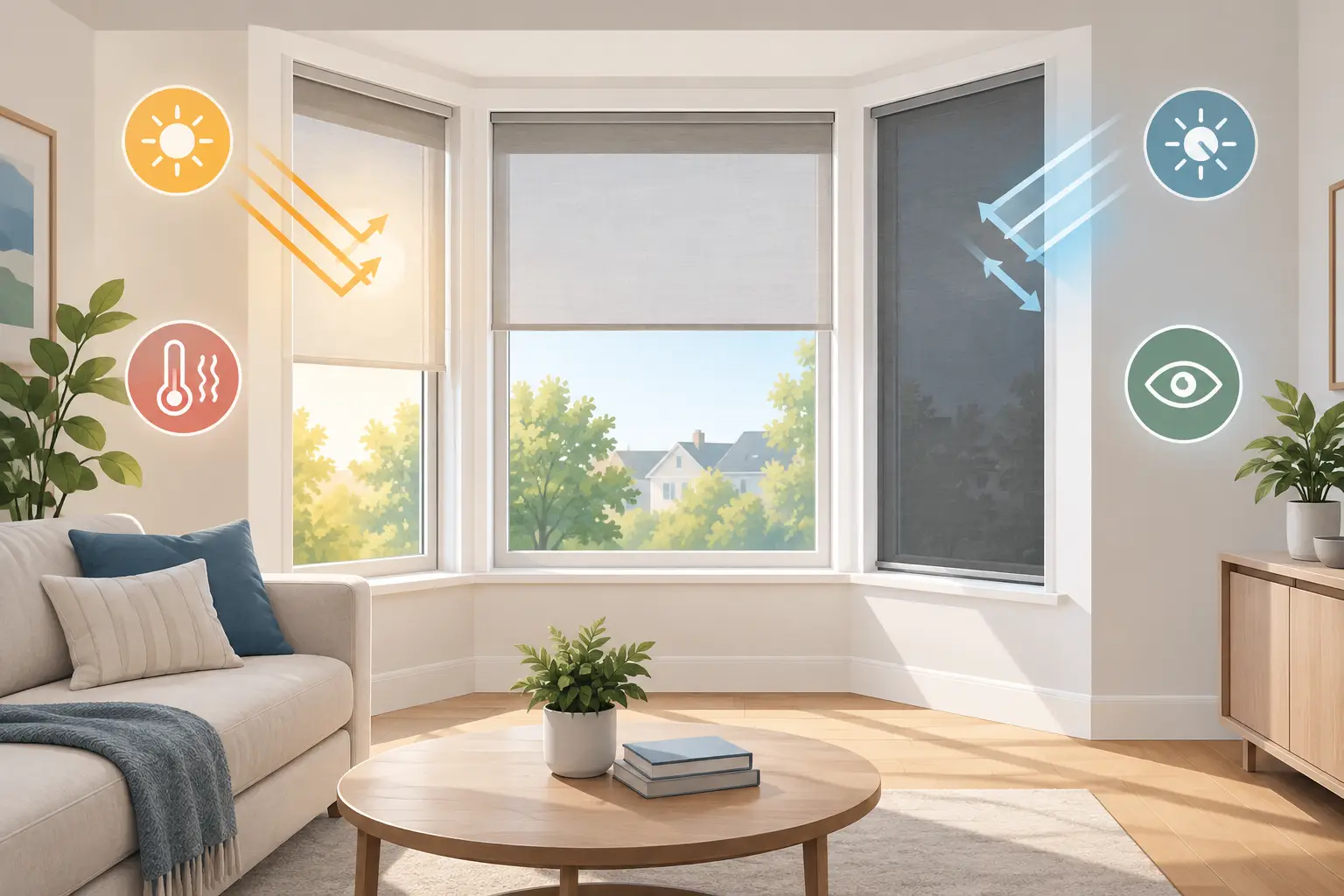
A bay window can make a room feel open and light-filled, but its multiple panes also bring more direct sun into the space than a standard flat window. The result is often a lounge that overheats by mid-afternoon, a dining area with uncomfortable glare, or faded flooring and furnishings near the glass. The right bay window solutions should deal with these problems without making the room dark or spoiling the character of the window.
Window film is a practical option because it works with the existing glazing. Rather than replacing the window, a professionally selected film is applied to the flat glass panes to manage solar heat, glare, UV exposure and daytime privacy. The best result depends on how the bay faces, how the room is used and whether comfort, privacy or appearance is the main priority.
Why bay windows need a considered approach
A bay window projects beyond the main wall of the property, so it catches sunlight from more than one direction. That is excellent for natural daylight, yet it can make solar gain more noticeable. South- and west-facing bays are commonly the most challenging in warmer weather, particularly where large panes face an open garden, road or coast with little external shade.
Glare is not always linked to temperature. A room may feel reasonably cool but still be difficult to use because bright light reflects off a television, computer screen, polished table or kitchen worktop. In offices and commercial premises, persistent glare can affect screen work and occupant comfort even when blinds are fitted.
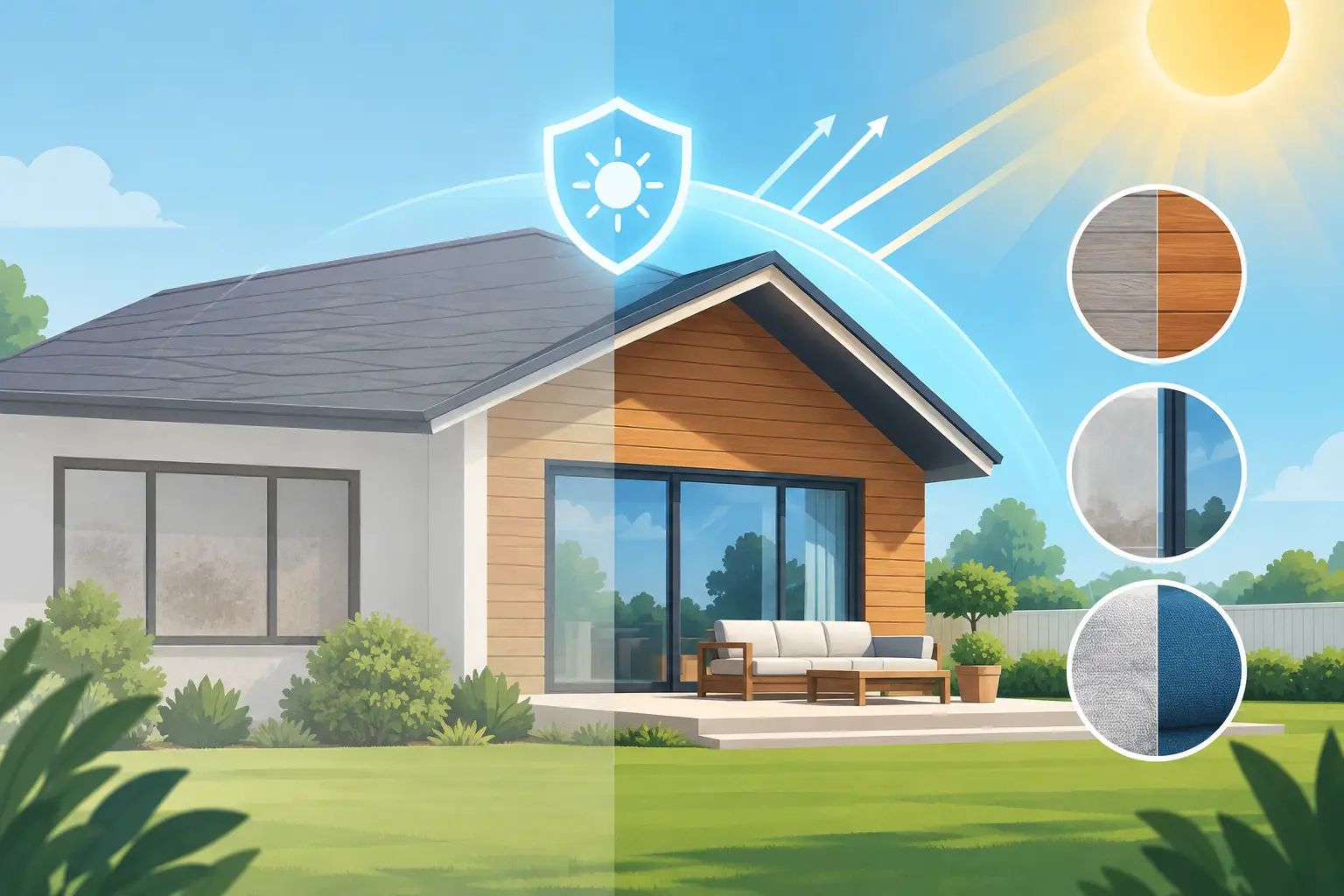
The other issue is UV. Sunlight can gradually fade fabrics, carpets, timber finishes, artwork and display stock. Curtains and blinds offer some protection when closed, but they also reduce the view and daylight. A commercial-grade solar film can help filter UV while allowing the room to remain usable throughout the day.
Bay window solutions with professional window film
Film is not a one-product answer. Different finishes produce different outcomes, which is why the glass, orientation and room use should be assessed before choosing one.
Solar-control film for a cooler room
Solar-control film is designed to reduce the amount of solar energy passing through the glazing. For homeowners, this can make a sunny bay window more comfortable in living rooms, kitchens and conservatories. For static caravans, where interiors can warm up quickly in direct sun, it can help make seating and sleeping areas more pleasant during holiday periods.
The amount of heat reduction varies with the film selected, the type of glazing and the strength of the sun on that elevation. A darker film may reject more heat, but it also reduces more visible light. A lighter, high-performance film may suit a room where retaining a bright appearance matters most. The right choice is a balance, not simply the darkest option available.
Anti-glare film for screens and everyday comfort
Anti-glare performance is particularly valuable when the bay window faces a television area, home office or shop display. Film softens harsh brightness across the glass, helping reduce reflections without relying on closed blinds for much of the day.
This is useful in commercial spaces with customer-facing counters, computer workstations or large glazed frontages. It can also improve usability in a home where family members have to move seats to see a screen clearly at certain times of day. Glare reduction does not remove daylight – it makes that daylight easier to live and work with.
Privacy film without losing daylight
Many bay windows overlook pavements, neighbouring homes, caravan parks or shared access areas. Net curtains may provide privacy, but they can make a room feel closed in. Reflective and one-way privacy films can provide a more open alternative during daylight hours, allowing occupants to see out while making it harder for passers-by to see in.
There is an important limitation: daytime privacy depends on the outside being brighter than the inside. After dark, when interior lights are on, reflective film does not provide the same one-way effect. Curtains, blinds or another privacy measure are still needed at night. Being clear about this prevents disappointment and helps property owners choose a solution that works at all times.
UV-reducing film for furnishings and finishes
Fading is gradual, so it is often noticed only after damage has accumulated. A rug may become lighter near the glass, or a display area may fade unevenly where sunlight falls each day. UV-reducing window film helps protect interior finishes and contents while preserving the benefits of natural light.
This is valuable in homes with timber flooring, fabrics and artwork, as well as retail premises where product presentation matters. UV protection is also a sensible consideration for static caravans, where seating and soft furnishings are exposed to strong seasonal sunlight over long periods.
Choosing the right film for your bay window
The shape of a bay does not usually prevent film installation, because each section is formed from a separate flat pane. What matters is the condition and specification of the glass. A professional survey checks pane sizes, seals, existing damage, frame details and whether the glazing is standard, toughened, laminated or double glazed.
Orientation is the next consideration. A west-facing bay may need stronger solar control to tackle late-afternoon heat and glare. An east-facing room may mainly need help during breakfast or early working hours. A north-facing bay may receive limited direct sun, making privacy or UV protection the more relevant requirement.
It is also worth considering how the room needs to look from inside and outside. A highly reflective finish can provide a clean, modern external appearance and strong daytime privacy, but it may not suit every period property or every street-facing elevation. Neutral films are often better where the aim is discreet performance with minimal visible change.
For commercial premises, the decision may include branding, staff comfort and energy use. Reducing solar gain can lessen the load on cooling during warmer periods, while glare control can improve the practical use of workspaces. In a shop, film can also help protect window displays from fading while retaining a professional frontage.
When blinds, curtains and film work best together
Window film and blinds are not competing options. They solve different parts of the problem. Film is working continuously against UV exposure, solar heat and glare, even when the room is unoccupied. Blinds and curtains give flexible control at night and during periods when complete shading is preferred.
For a bay window that becomes difficult to sit near in summer, a solar-control film can reduce the underlying heat and glare, while existing blinds can be used only when needed. This often makes the room feel brighter and less enclosed than relying on coverings throughout the day.
External shading can also be effective, although planning, cost, wind exposure and maintenance may make it unsuitable for some properties. Film is usually a less disruptive route where the glazing itself is in good condition and the objective is to improve comfort without major alteration.
Professional installation matters on bay glazing
Bay windows have several pane edges, corners and angles, so neat installation is essential. Film should be cut accurately and applied cleanly to avoid gaps, contamination or uneven lines that are especially noticeable in direct sunlight. The chosen film must also be compatible with the existing glass to manage thermal stress appropriately.
Solar Tint Wales provides tailored, commercial-grade window film installation for homes, static caravans and commercial properties. The process should begin with the outcome you want – less heat, reduced glare, better daytime privacy, UV protection or a combination – rather than choosing a film colour from photographs alone.
If your bay window is making one part of the property difficult to use, take note of when the problem occurs, which panes receive direct sun and whether privacy changes after dark. Those details make it far easier to select a film that improves the space in the way you actually need.