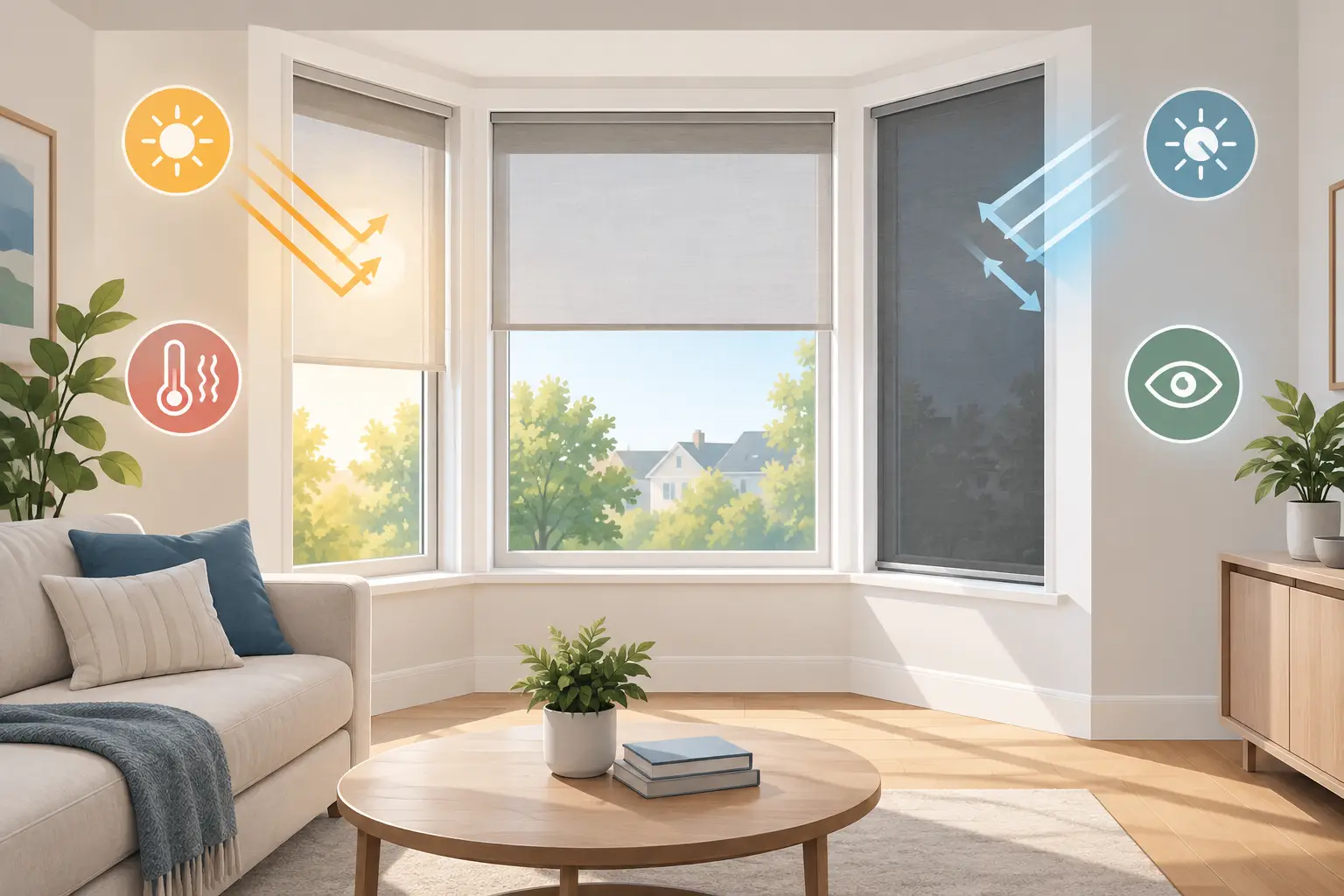
A bright room can quickly become an uncomfortable one when low sun hits a television screen, makes computer work difficult or sends heat building up behind large panes of glass. The top benefits of window films are practical: they help control glare, reduce solar heat, filter damaging UV and improve daytime privacy while retaining the natural light people value.
For homes, static caravans, conservatories and commercial premises, the right film is not simply a cosmetic addition. It is a commercial-grade solution selected around how the room is used, which direction the glass faces and what problem needs solving. A south-facing conservatory has different demands from a street-level office or a caravan overlooking a busy park.
The top benefits of window films in everyday spaces
Cooler, more usable rooms
Solar control window film reduces the amount of solar energy passing through glass. This can make a noticeable difference in rooms that become overly warm in sunshine, particularly conservatories, open-plan living areas, offices with broad glazing and static caravans during the holiday season.
The aim is not to make a room dark. A suitable film can retain a useful level of daylight while cutting the intense heat that makes certain seats, desks or rooms unpleasant at particular times of day. That means less reliance on fans or air conditioning, and a more consistent temperature for occupants.
Results depend on the existing glazing, the size and orientation of the windows, shading outside the property and the film chosen. Film is highly effective at reducing solar gain, but it will not replace good ventilation or resolve every wider insulation issue in a building. A professional assessment helps set realistic expectations and identifies the best-performing option.
Reduced glare without closing the blinds
Glare is one of the most immediate reasons people choose window film. It can make television viewing frustrating, wash out computer screens and create uncomfortable reflections across shop counters or office workstations. Closing curtains may stop the glare, but it also blocks the view and much of the daylight.
Anti-glare and solar films soften harsh sunlight while allowing the room to remain bright. For commercial premises, this can support more comfortable screen work and reduce the need for staff to keep adjusting blinds throughout the day. At home, it can make a living room, kitchen or home office easier to use when the sun is low.
The best choice depends on how much light reduction is acceptable. A darker or more reflective film will generally provide stronger glare control, while a lighter film may be preferable where preserving maximum daylight is the priority.
UV protection for furnishings and finishes
Sunlight does more than heat a room. Ultraviolet radiation contributes to the fading and deterioration of fabrics, timber flooring, artwork, photographs, carpets and merchandise displayed close to glass. Even when the effects are gradual, replacing faded furnishings or finishes is expensive and disruptive.
Professional window films filter the vast majority of UV rays, helping protect the interior investment already inside the property. This is particularly useful for rooms with large windows, shop displays, static caravans with upholstered seating near glazing and homes with flooring exposed to regular sunlight.
UV protection is a valuable layer of defence, although it cannot prevent all fading. Visible light and heat can also affect materials over time, and delicate items should still be positioned thoughtfully where possible. The benefit is reduced exposure, not a guarantee that sunlight will have no effect.
Daytime privacy with an outward view
Street-facing rooms, ground-floor offices and caravans on busy sites can feel exposed. Reflective and privacy window films can make it harder for people outside to see in during daylight, while allowing occupants to maintain a view out.
This is one of the strongest benefits for properties where curtains or blinds would feel restrictive during the day. A reflective finish can also give glazing a clean, more uniform external appearance, which suits many commercial buildings as well as modern homes.
There is an important limitation: daytime privacy relies on the light being brighter outside than inside. Once it is dark and internal lights are on, the effect reverses. For full evening privacy, blinds, curtains or another internal treatment may still be needed.
Better comfort for staff, customers and guests
Comfort has a direct effect on how a space performs. In an office, persistent glare and heat can make desk areas less productive. In a shop, bright reflections can distract from displays. In a holiday caravan, a hot lounge can limit the enjoyment of a sunny afternoon.
Window film helps turn difficult glazed areas into useful parts of the room. Instead of avoiding the desk by the window or drawing blinds over a display, occupants can use the space more comfortably. This matters especially in buildings where altering the windows themselves would be costly or impractical.
For facilities managers, it is also a straightforward way to address complaints linked to hot spots, glare and lack of privacy without undertaking major building work. The right specification should be based on the issue at the glass, not on a one-size-fits-all shade.
Energy efficiency and operational value
By reducing solar heat entering through glass, window film can help lower cooling demand during warmer periods. In commercial properties with air conditioning, that may contribute to reduced energy use and less strain on cooling systems. In homes and caravans, it can mean rooms need less mechanical cooling to remain comfortable.
Savings vary considerably. Building size, glass type, heating and cooling equipment, occupancy patterns and window orientation all influence the result. It is better to view window film as a targeted energy-efficiency measure that also delivers glare, UV and privacy benefits, rather than relying on a universal saving figure.
Film can also be a sensible alternative where replacing existing glazing is not currently planned. Installed professionally, it upgrades the performance of suitable flat glass with less disruption than changing complete window units.
Security and safety options where appropriate
Not every property needs security film, but it can offer additional peace of mind where vulnerable glazing is a concern. Security films are designed to help hold broken glass together, making forced entry more difficult and reducing the scatter of fragments after an impact.
This can be relevant for ground-floor commercial premises, accessible doors, offices and homes where glass is close to frequently used areas. Security film is not a substitute for locks, alarms or sensible property security, but it can strengthen the glazing as part of a wider approach.
The specification matters here. Solar, privacy and security films do different jobs, although some solutions can combine benefits. A professional installer can advise whether a clear safety-focused film, a solar-control product or a combined option is appropriate for the glass and intended use.
Choosing the right film for the property
The most effective installation starts with the problem, not the darkest available finish. Consider when the room is uncomfortable, whether heat or glare is the bigger issue, how much daylight you want to retain and whether privacy is needed during the day, at night or both.
Glass type must also be checked before fitting. Some units, including certain double-glazed, laminated or coated glass, need careful film selection to avoid thermal stress and to protect the integrity of the glazing. This is why commercial-grade products and professional installation matter. The film should be matched to the window, rather than selected on appearance alone.
For property owners across North Wales, Chester and the Wirral, Solar Tint Wales provides tailored flat-glass film solutions for homes, conservatories, static caravans and commercial premises. A clear discussion about the space, glazing and expected outcome makes it easier to select a finish that performs as intended.
A well-chosen window film should make the room feel easier to live or work in: cooler when the sun is strong, clearer when screens are in use, more private during the day and better protected from UV. That is the practical standard worth aiming for when deciding whether film is right for your property.