A broken pane can turn from a repair problem into an immediate safety issue in seconds. So, can security film hold glass when it breaks? In many situations, yes: professionally installed security film is designed to keep shattered glass together, reducing loose fragments and helping the pane remain in place temporarily. It does not make ordinary glass unbreakable, and the result depends on the glass, frame, film specification and type of impact.
For homes, static caravans and commercial premises, that distinction matters. Security film is a practical upgrade for flat glass where occupants want greater peace of mind without replacing every existing window. It can limit the spread of dangerous shards after accidental breakage, forced entry attempts or impact, while retaining the daylight and outward view that make a room usable.
What security window film is designed to do
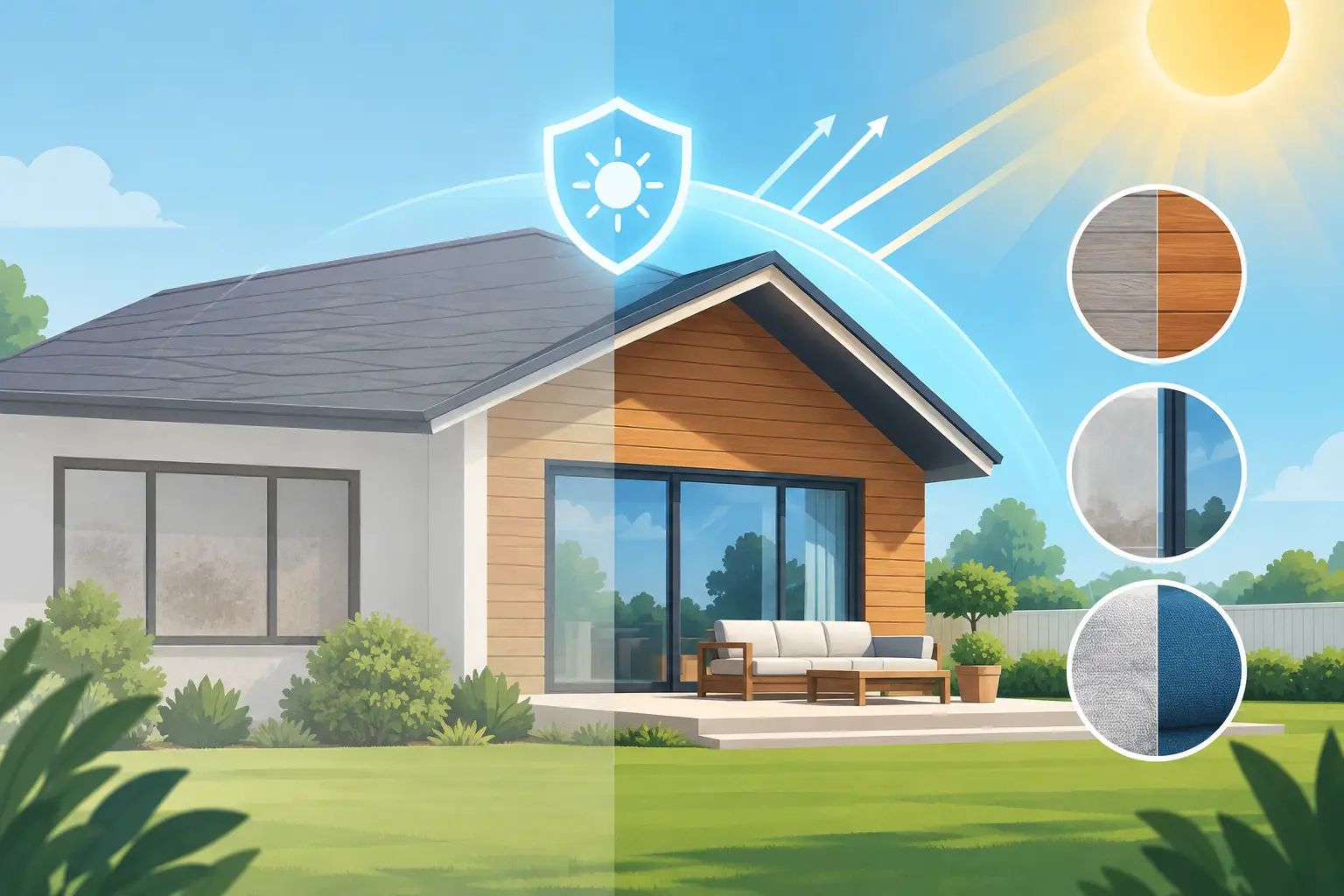
Security window film is a clear, thick polyester film applied to the inside face of existing glass. Once fitted, it bonds to the pane using a specialist adhesive system. If the glass cracks or shatters, the film helps hold many of the broken pieces together rather than allowing them to fall freely into the room or outside.
Think of it as a containment layer, not a substitute for the glass itself. The glass still takes the initial impact. A sufficiently hard strike can still crack or break it. What the film changes is how the pane behaves after it has broken.
This can make a significant difference in practical terms. Instead of a shower of sharp fragments across a floor, desk, shop display or caravan seating area, much of the glass may remain bonded to the film. That reduces the immediate risk of cuts and can make the area safer to isolate until replacement glazing is arranged.
Security film can also slow down an intruder. Breaking untreated glass often creates an opening quickly. Film-backed glass generally requires more repeated force to push through because the broken pieces remain held together. That extra delay can be valuable, but it should not be presented as a guarantee that entry is impossible.
Can security film hold glass in every type of breakage?
No. Security film improves glass retention, but no film can produce the same outcome in every window or every incident. A small accidental impact and a sustained attack with a heavy object are very different events. The type and thickness of the glass, the condition of the frame, the size of the pane and the quality of installation all influence performance.
Annealed glass, which is common in older properties, tends to break into larger sharp pieces. A suitable security film can be particularly useful here because it helps retain those pieces. Toughened glass breaks into many small fragments, and laminated glass already has an interlayer designed to hold broken glass together. Each glazing type needs to be assessed on its own merits.
The frame is equally relevant. Film may hold the broken glass together, but a weak, damaged or poorly secured frame may allow the entire pane to come away. For higher-risk applications, an installer may recommend an edge-retention system. This mechanically anchors the filmed glass to the frame, helping it remain in position when subjected to greater force.
That is why a professional assessment is preferable to choosing a film based on thickness alone. The right solution starts with the risk you are trying to manage: accidental breakage, safety around children, opportunist intrusion, vandalism or protection for an exposed glazed area.
What security film can realistically help with
The most useful benefit is safer breakage. If a patio door panel, shopfront or internal glazed partition breaks, retained fragments are less likely to scatter. This is valuable in busy family spaces, offices, reception areas and holiday accommodation, where clearing broken glass quickly and safely is a genuine concern.
It can also provide a sensible layer of deterrence for accessible windows and doors. A filmed pane may take longer to penetrate than untreated glass, creating more noise, more effort and more opportunity for an attempted break-in to be noticed. Security measures work best in layers, alongside suitable locks, sound frames, good lighting and appropriate alarm systems where needed.
For commercial properties, security film can help reduce disruption after a broken window. While a damaged pane still needs urgent attention, retained glass may help keep the opening more contained than unprotected shattered glazing. This is particularly relevant for ground-floor glazing, entrance doors and areas near stock, screens or customer seating.
In static caravans, security film can be considered for vulnerable flat-glass areas where breakage would be inconvenient and potentially hazardous in a compact living space. The correct specification must suit the existing glazing and the way the caravan is used. Comfort-focused films that reduce glare and UV exposure can sometimes be considered separately, or alongside a security requirement where a compatible product is appropriate.
Where the limits are
Security film is not a repair for cracked, failed or loose glass. If a pane already has damage, it should be assessed and repaired or replaced before film is installed. Applying film to compromised glazing can conceal a problem rather than solve it.
It also does not turn standard glazing into certified high-security glazing in every circumstance. Buildings with specific safety, insurance, fire, impact or security requirements may need particular tested systems, replacement laminated glass, upgraded frames or a combination of measures. A shopfront facing repeated vandalism, for example, may require more than film alone.
Very large panes, curved glass, textured glass and certain specialist units may need additional consideration. Security film is intended for flat glass applications, and suitability should always be confirmed before work begins. The position of the window matters too. A high-level pane has different risks from a ground-floor entrance door, while an internal partition raises different concerns again.
There is a visual trade-off to consider as well. Most clear security films are designed to preserve natural light and appearance, but any applied film can subtly alter reflectivity or optical clarity depending on the product and the glass. A professional sample or on-site discussion helps set the right expectation before installation.
Why professional installation matters
The adhesive bond is the heart of security film performance. The glass must be thoroughly cleaned, prepared and fitted under controlled conditions so the film sits correctly across the pane. Poor preparation, contamination, trapped debris or inadequate edge finishing can reduce both appearance and retention performance.
Professional installation also helps identify issues that are easy to miss when viewing a window as a simple sheet of glass. These include failed seals, deteriorating frames, unsuitable glazing types, inaccessible edges and the need for a stronger retention detail. The aim is not simply to apply a thicker film. It is to match the film system to the property and the expected level of protection.
At Tinting For Glass, recommendations are based on the practical use of the space, whether that is a family home, caravan, office, retail unit or communal premises. Security and privacy requirements can be discussed alongside glare reduction, UV protection and solar control, so the finished installation supports the way the room is actually used.
Choosing the right approach for your property
Start by identifying what you want the glass to do better. If the main concern is reducing the danger of shattered fragments, a clear safety or security film may be the right direction. If you are concerned about forced entry, ask specifically about the expected level of delay, the condition of the frames and whether edge retention should be considered.
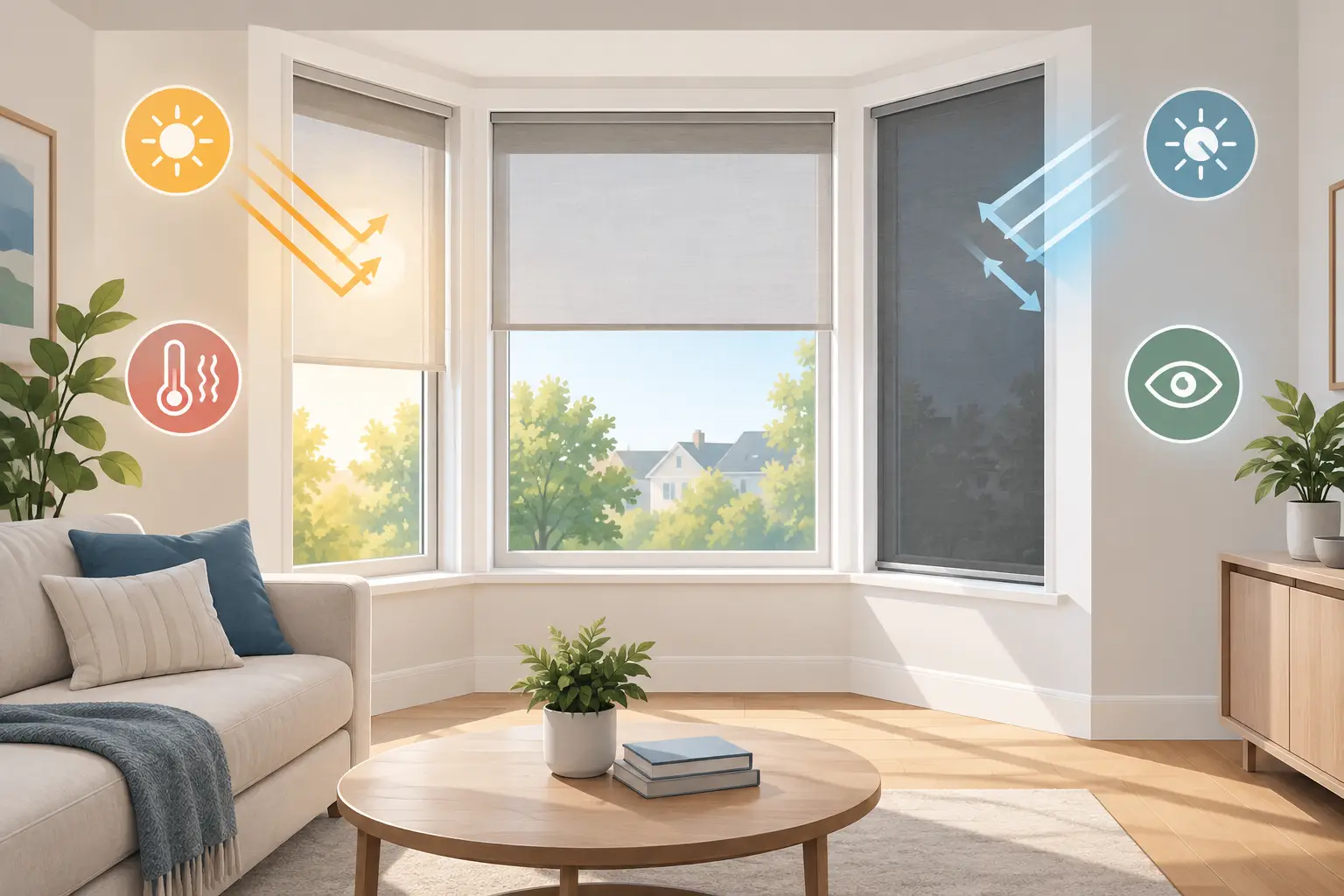
If your priority is also daytime privacy, heat reduction or screen glare, there may be a suitable film solution that balances those needs. However, darker or reflective solar films should not automatically be assumed to offer the same glass-retention performance as a dedicated security film. Film type and thickness should be selected for the primary job, rather than treating every window film as interchangeable.
For a property with several types of glazing, it may be appropriate to use different films in different areas. A south-facing office may benefit most from solar control, while a ground-floor glazed door may need a security-focused specification. Tailored solutions usually give better results than applying one product across every pane.
A practical next step
Security film can hold broken glass together and make a dangerous situation more manageable, but it is only as effective as the system behind it. The existing glass, frame, installation method and level of risk all need to be considered before making a claim about protection.
If you are assessing vulnerable flat glass in a home, caravan or business premises, arrange a professional discussion before choosing a product. The most useful solution is the one that gives you clearer expectations, safer breakage behaviour and lasting peace of mind without compromising the light and comfort of the space.