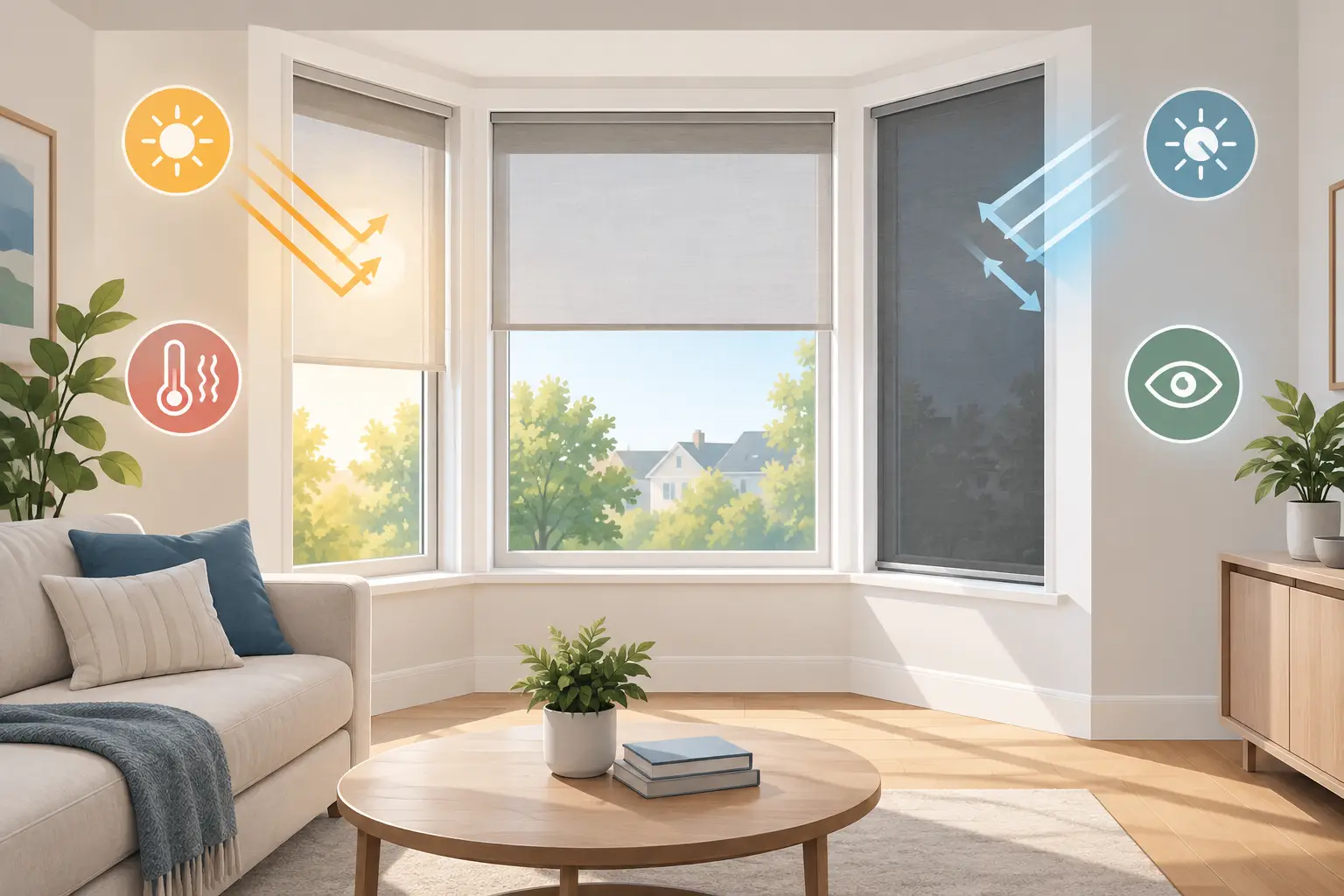
A static caravan can feel perfect at 9am and far too hot by lunchtime. Large front windows bring in lovely natural light and a good view, but they also let in glare, UV and a surprising amount of solar heat. That is usually the point where owners start asking the right question – what is the best window film for static caravan comfort?
The honest answer is that there is no single film that suits every caravan. The best choice depends on how your caravan is used, how much glass it has, which way it faces, and whether your biggest problem is heat, glare, fading or privacy. What does stay consistent is the goal: make the space easier to use on bright days without making it gloomy.
What the best window film for static caravan comfort should do
In a static caravan, comfort is about more than temperature alone. If the television is hard to see, the seating area is full of harsh glare, or fabrics are fading in the sun, the space stops working as it should. A good window film solves several of these problems at once.
The best-performing films reduce solar heat gain, cut harsh glare, block a high percentage of UV and improve daytime privacy. They do that while still allowing useful natural light into the caravan. That balance matters. Go too dark and the interior can feel closed in. Go too light and the film may not tackle the problem strongly enough.
This is why commercial-grade film is usually the right standard for static caravans. It is designed as a performance product, not just a cosmetic tint. The result is a more stable interior temperature, better comfort around seating and dining areas, and less strain on blinds and cooling.
Why static caravans need a tailored film choice
Static caravans are not the same as standard houses. The glazing area is often large in proportion to the floor space, and interiors can heat up quickly because there is less internal volume to absorb temperature swings. Coastal locations can also create challenging light conditions, with strong sun reflecting off water, pale decking or nearby surfaces.
That means a film that works well on a house conservatory may not automatically be the best option for a caravan lounge window. The right specification needs to account for the glass type, window size and orientation. South-facing and west-facing elevations usually need the most attention, especially where there is a large front aspect.
For holiday use, daytime comfort tends to matter most. Owners want to sit, read, eat or watch television without squinting, overheating or closing every blind. A properly chosen solar film helps keep the view usable instead of forcing you to shut the caravan up on the brightest part of the day.
Solar control film is usually the best all-round option
If the main issue is excess heat and glare, solar control film is generally the best window film for static caravan comfort. This type of film is made to reduce solar energy passing through the glass, which helps to lower internal heat build-up during warmer weather.
It also cuts glare far more effectively than curtains or blinds on their own. Blinds may block light, but they also block the view and make the room feel darker. A solar film works directly on the glass, so you keep a more open feel while reducing the intensity of sunlight.
For many caravan owners, a reflective or lightly mirrored external appearance is especially useful. It improves daytime privacy while still allowing outward visibility from inside. That makes a real difference on holiday parks where caravans may face neighbouring units or shared access areas.
There is a trade-off, though. Daytime privacy is not the same as full-time privacy. When it is darker outside and lights are on inside, reflective films become less private. If round-the-clock privacy is the priority, that needs to be considered alongside blinds or curtains.
Reflective films for heat and daytime privacy
Reflective solar films are often the strongest performers where overheating is the main complaint. They reflect a significant amount of solar energy away from the glass, helping to keep lounges and front-window seating areas more comfortable in direct sun.
They are also popular because they offer a cleaner, more professional finish from the outside. On a static caravan, that can improve privacy without making the unit feel shut in. For owners in exposed or busy park locations, that combination is often the sweet spot.
The main consideration is appearance. A stronger reflective finish is more noticeable than a neutral film, so some owners prefer a softer look.
Neutral films for a subtler finish
Neutral solar films are a good option when you want glare reduction and UV protection without a very mirrored appearance. They tend to look more understated and can suit caravans where preserving a natural glass look matters.
The compromise is that neutral films may not reject as much heat as a more reflective specification. They still improve comfort, but if the caravan gets intensely hot in summer sun, a stronger solar control product may be the better choice.
UV protection matters more than many owners expect
Heat and glare get noticed immediately. UV damage is slower, but it can be just as costly. Upholstery, flooring, curtains and soft furnishings can fade badly where strong sun falls through the same glass day after day.
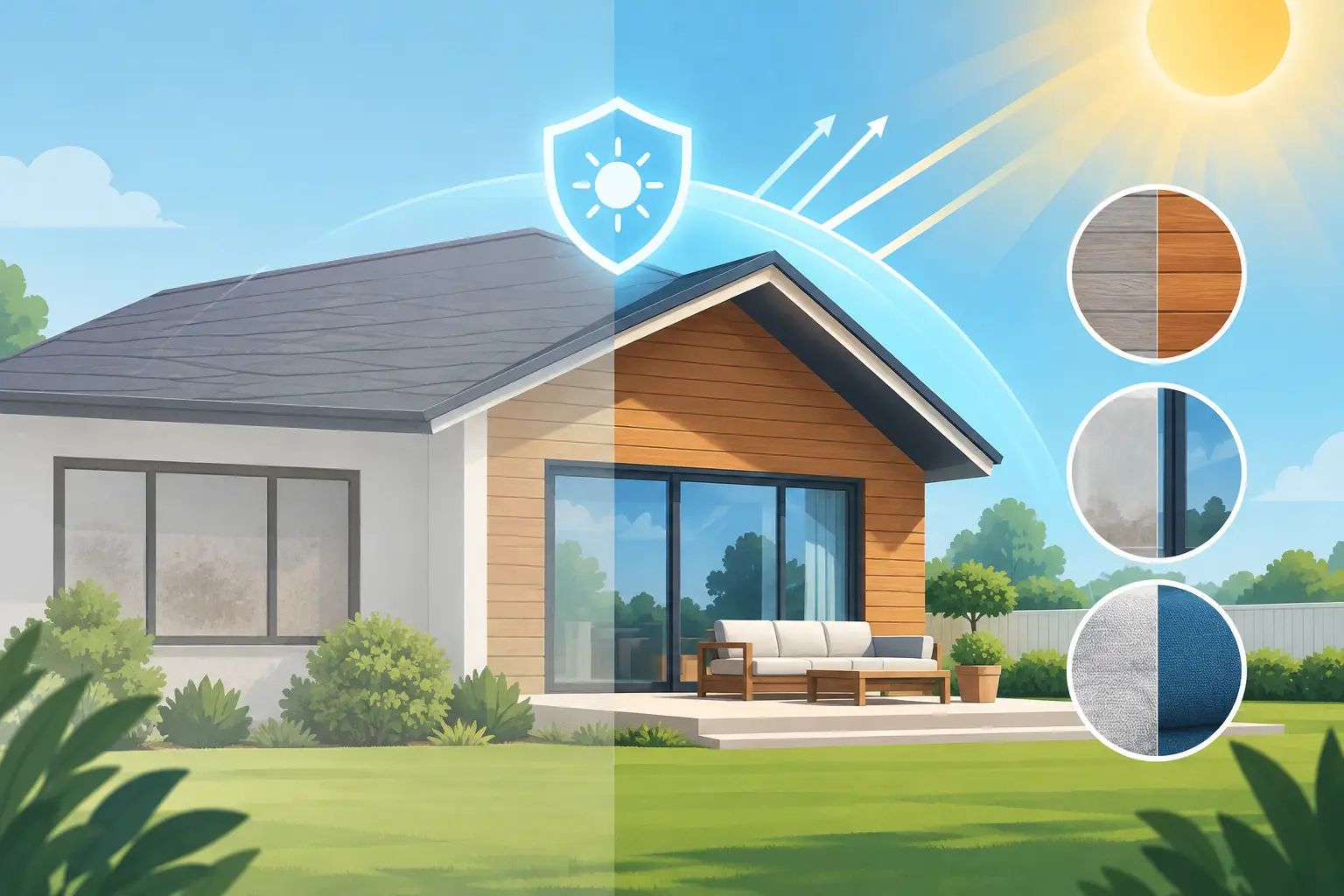
A quality window film can block the vast majority of harmful UV rays. In practical terms, that helps protect the interior finish of the caravan and keeps it looking better for longer. If your caravan is used seasonally and sits in sunlight even when you are not there, UV protection becomes even more valuable.
This is one reason a cheap, off-the-shelf film is often a false economy. If the product underperforms, peels or discolours, you have paid for a short-term fix rather than a proper solution. Professional-grade films are built for consistent performance and longevity on flat glass.
Glare reduction can make the biggest day-to-day difference
Some caravan owners assume they need heat reduction most, then realise glare is actually what makes the space uncomfortable. Screen reflections, bright patches across seating, and that harsh low sun in late afternoon can all make the main living area awkward to use.
A well-selected anti-glare solar film softens that problem straight away. The lounge becomes easier to enjoy, televisions are easier to watch, and the interior feels less harsh without losing all the daylight. This is particularly useful in caravans with large panoramic front windows, where the light level can become difficult even before the room feels excessively hot.
If your caravan already has decent ventilation and your main frustration is brightness rather than temperature, a lighter solar film may be enough. That is why it helps to identify the actual problem first rather than simply choosing the darkest tint available.
Why professional installation makes a difference
Static caravan glass needs the right film and the right fitting method. A poor installation can lead to bubbling, lifting edges, visible contamination or uneven appearance across large panes. That is not just untidy – it can reduce performance and shorten the life of the film.
Professional installation also matters because not all films are suitable for every glazing type. Using the wrong specification can create unnecessary stress on the glass. A proper assessment takes the guesswork out of the process and ensures the film is matched to the caravan and how you use it.
For owners across North Wales, the Wirral, Chester and surrounding areas, working with a specialist flat-glass installer means getting a tailored recommendation rather than a generic product pushed as a one-size-fits-all answer. That is the practical difference between buying tint and choosing a solution.
So, what is the best choice?
For most owners, the best window film for static caravan comfort is a commercial-grade solar control film with strong heat rejection, solid glare reduction, high UV protection and a finish that suits the level of privacy required. In many cases, that points towards a reflective solar film. If appearance is a bigger concern and the heat issue is less severe, a neutral solar film can be the better fit.
The deciding factor is not the name on a sample card. It is how the film performs on your particular caravan, in your position on site, with your pattern of use. A front-facing caravan in full summer sun needs a different answer from a shaded unit used mainly in spring and autumn.
If you want advice based on performance rather than guesswork, Tinting For Glass can help identify the right film for your static caravan and install it professionally. The right choice should leave the caravan cooler, calmer and easier to enjoy on the days you want to be there most.
A good window film does not need to transform the caravan into something different. It just needs to remove the parts that make bright weather hard work.