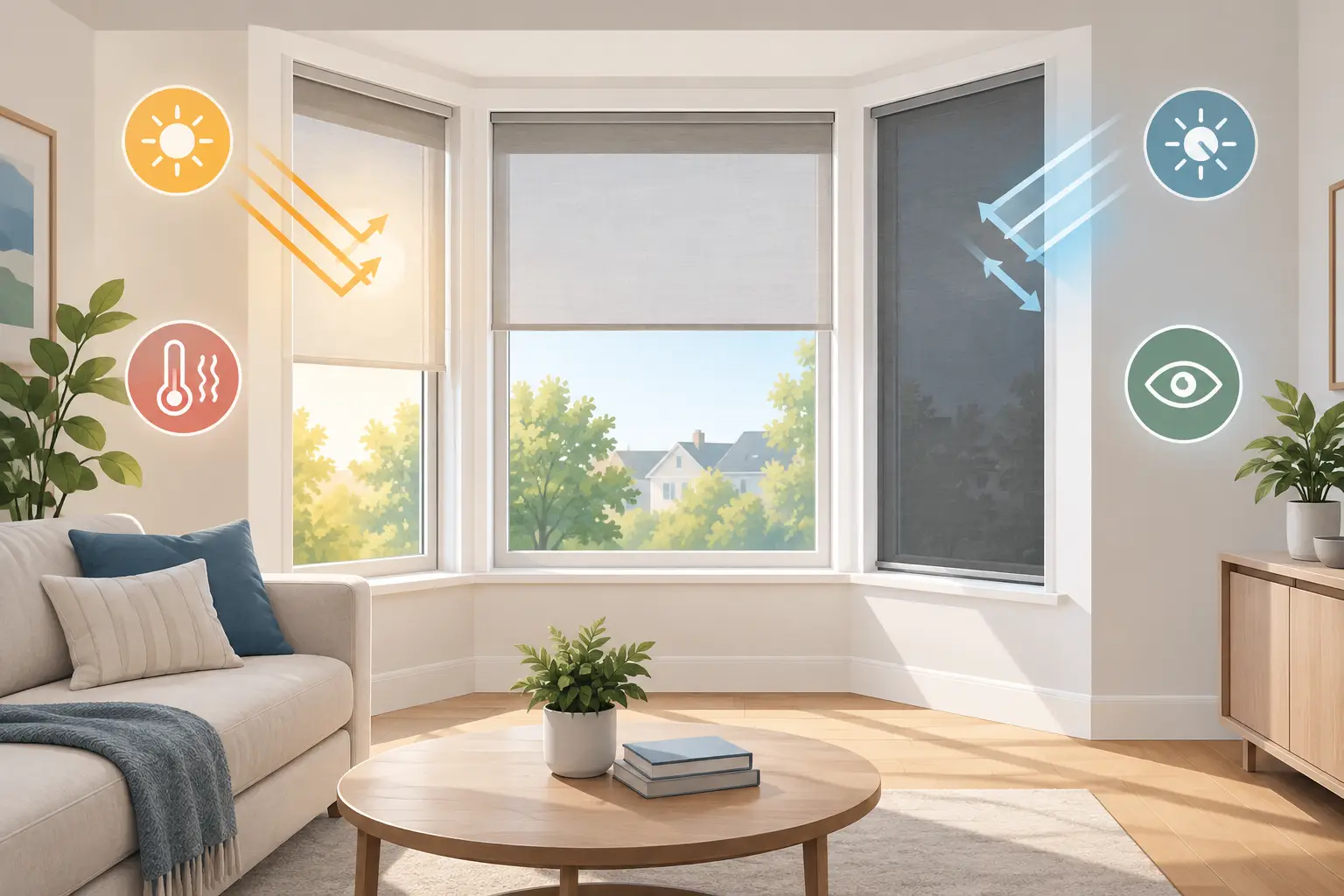
Sunlight is great – right up until your favourite sofa starts to look patchy, the flooring near the patio doors goes dull, and the lounge TV becomes unwatchable for half the afternoon. Most people notice the glare first, then the heat. UV damage tends to show up later, when fabrics and finishes have quietly taken a battering.
That is exactly where uv protection window film for homes earns its keep. Done properly, it is a practical, performance-led upgrade that protects interiors, improves comfort, and still keeps your rooms bright.
What UV window film actually protects (and what it cannot)
UV is a major driver of fading and material breakdown. It is particularly hard on dyes, timber finishes, some plastics, and artwork. A quality window film is designed to filter UV at the glass, before it reaches the things you have paid for and live with every day.
It is worth being clear about the trade-offs. UV reduction helps with fading, but it does not stop it completely. Visible light and heat also play a part, and the amount of direct sun a surface receives matters. A rug that sits in a sun stripe every day will always age faster than one in the shade, even with film.
What you do get is a very meaningful reduction in the main cause, which extends the life and appearance of furnishings. In homes with large south-facing glazing, conservatories, or wide bay windows, that difference can be obvious over time.
Why standard glass is not the full answer
Many homeowners assume modern glazing already blocks UV. Some does, some does not, and even when it performs well in one range it may not in another. The bigger issue is consistency across the property. Older units, replaced panes, decorative glazing, and internal partitions can all behave differently.
Window film gives you a controlled, measurable layer at the surface. It is also targeted. You can treat the high-risk windows – patio doors, skylights, conservatory panels, and the big picture windows that take the sun – without having to replace frames or whole units.
UV protection window film for homes: the practical benefits
UV filtering is usually the starting point, but most clients want the everyday comfort gains as well. That is where choosing the right film type matters.
A UV-focused film helps protect furnishings, flooring, artwork and soft furnishings. Pair that with solar control and you also reduce heat build-up, which is what makes a room feel stuffy and difficult to use on bright days.
Glare control is often the most immediate win. If you work from home, use screens in a bright kitchen-diner, or have a living room where the sun hits the TV at an awkward angle, a suitable film can cut harsh reflection while still letting in natural light.
Daytime privacy is another common requirement, especially for front-facing rooms, ground-floor windows, and static caravans on busy parks. The right privacy film can give you clear outward visibility while reducing how much passers-by can see during the day. Like all privacy solutions, it depends on lighting. At night, if the inside is brighter than outside, privacy effects reduce unless you use blinds or choose a higher privacy finish.
Film types and how to choose between them
The best film is the one that matches the problem window, not a one-size-fits-all choice. Most domestic installations fall into a few categories.
Clear UV protection films
If you like the look of your windows and want maximum natural light, a clear film can focus on UV reduction with minimal change in appearance. This suits living rooms, kitchens, and rooms where you do not want a reflective finish.
It is a good option when heat is not the primary complaint, or where planning, aesthetics, or neighbours make reflective tints less desirable.
Solar control films (tinted or reflective)
Where heat and glare are the big issues – conservatories, south- and west-facing glazing, large bi-folds – solar control films pull double duty. They reduce UV, but they also reduce a portion of solar energy and soften glare.
Reflective finishes are performance-led and can provide strong daytime privacy. The trade-off is that the external appearance changes, and the internal look can be slightly darker depending on the film. In many homes, that is a positive, because it makes the room more usable without feeling dim.
Privacy films (frosted, patterned, or one-way styles)
For bathrooms, entrances, sidelights, and overlooked windows, privacy can matter more than heat. Frosted and patterned films provide consistent privacy day and night, while still letting light through.
One-way and reflective privacy films are best for daytime privacy and sun-facing glazing. They perform best when it is brighter outside than inside, which is most of the day. At night, you usually need a blind or curtain for full privacy.
Conservatory and roof glazing solutions
Conservatories often need a more tailored approach because the space can be both too hot and too bright, while also feeling exposed. Films can be selected to reduce heat and glare, and in some cases improve privacy. The right specification depends on the type of roof panels, the direction the conservatory faces, and whether you want a brighter feel or maximum cooling.
Where you get the biggest return in a typical home
Most homes have two or three windows that cause 80% of the frustration. These are usually patio doors, the main front window, and any large panes facing south or west. Treating just those areas can noticeably improve day-to-day comfort.
If fading is the main concern, focus on windows that cast direct sunlight onto timber floors, rugs, and the side of sofas. If screen glare is the issue, target the window opposite the screen, not the one beside it.
For static caravans, the priorities are often daytime privacy, glare reduction, and keeping the interior cooler during peak summer weeks. Because caravan windows are typically large relative to the space, the comfort difference can be felt quickly.
Professional installation vs DIY: what changes in real life
There is a place for DIY if you are confident and the window is small and easy to access. But for most homeowners, the difference is finish and longevity.
Professional installation matters because the film must be applied cleanly, aligned properly, and finished neatly at the edges. Dust contamination, small creases, and trapped moisture can spoil the look and reduce performance. Large panes and awkward access points make DIY far less forgiving.
There is also the question of choosing the correct film for the glass type. Some modern glazing and certain coated units need careful film selection to avoid unnecessary stress on the pane. A professional approach is about matching the film to the window, not just fitting something that looks right.
What to ask for when you are comparing options
When you are speaking to an installer, focus on outcomes first, then the specification that achieves them. You should be able to describe the problem in plain terms: rooms overheating, glare on screens, furnishings fading, or feeling overlooked.
From there, a proper recommendation should cover how much light you will keep, what change in appearance to expect, and what the privacy effect will be in daytime and at night. If you are sensitive to darker rooms, say so – it will steer you towards clearer or lighter solar control options.
If you are treating a conservatory, be ready to discuss how you use the space. A dining area you want to use all year is different from a room that only needs to be tolerable in July.
Local, tailored solutions for North Wales and beyond
Properties across coastal North Wales, The Wirral, Chester and surrounding areas often have a mix of conditions: strong sun on clear days, reflective glare near water, and big temperature swings between seasons. That is why a tailored approach works best. The right film for a front room in Llandudno will not necessarily be the right choice for a conservatory in Runcorn or a static caravan on Anglesey.
If you want a commercial-grade installation focused on measurable comfort and protection, Tinting For Glass (Solar Tint Wales) organises its service around outcomes like UV protection, privacy, anti-glare and solar control across homes, static caravans and commercial premises.
A realistic expectation: what you will notice first
Most people feel the difference before they “see” it. Rooms become easier to sit in during bright periods, screens are less of a battle, and you stop closing curtains just to make the space usable. The longer-term benefit is that your interiors hold their appearance better, particularly in the sunniest spots.
If you are choosing uv protection window film for homes, aim for the film that solves your daily irritation first. The best upgrade is the one that makes you forget the problem window exists – because it finally behaves like the rest of the house.