That bright patch across the screen usually shows up at the worst time – mid-match, during a film, or right when you are trying to read subtitles. Closing the curtains works, but it also turns the room into a dim box. Moving the television is rarely practical. If the problem is sunlight coming through the glass, the most effective fix is often at the glass itself.
For many homes, static caravans and commercial spaces, the right film can reduce sun glare on TV with window film without blocking out the room completely. It deals with the cause of the issue rather than forcing you to work around it every day.
Why TV glare happens in the first place
TV glare is not just about brightness. It is usually a mix of direct sunlight, reflected light from outside, and the angle at which light hits both the window and the television screen. Large south-facing windows, conservatories, open-plan lounges and caravan living spaces tend to suffer the most because they let in strong daylight for long periods.
Modern televisions can still struggle in these conditions. Even with brighter displays and anti-reflective screen coatings, strong sunlight can wash out darker scenes, reduce contrast and create distracting reflections. If you find yourself pulling blinds down every afternoon, the room is not working as well as it should.
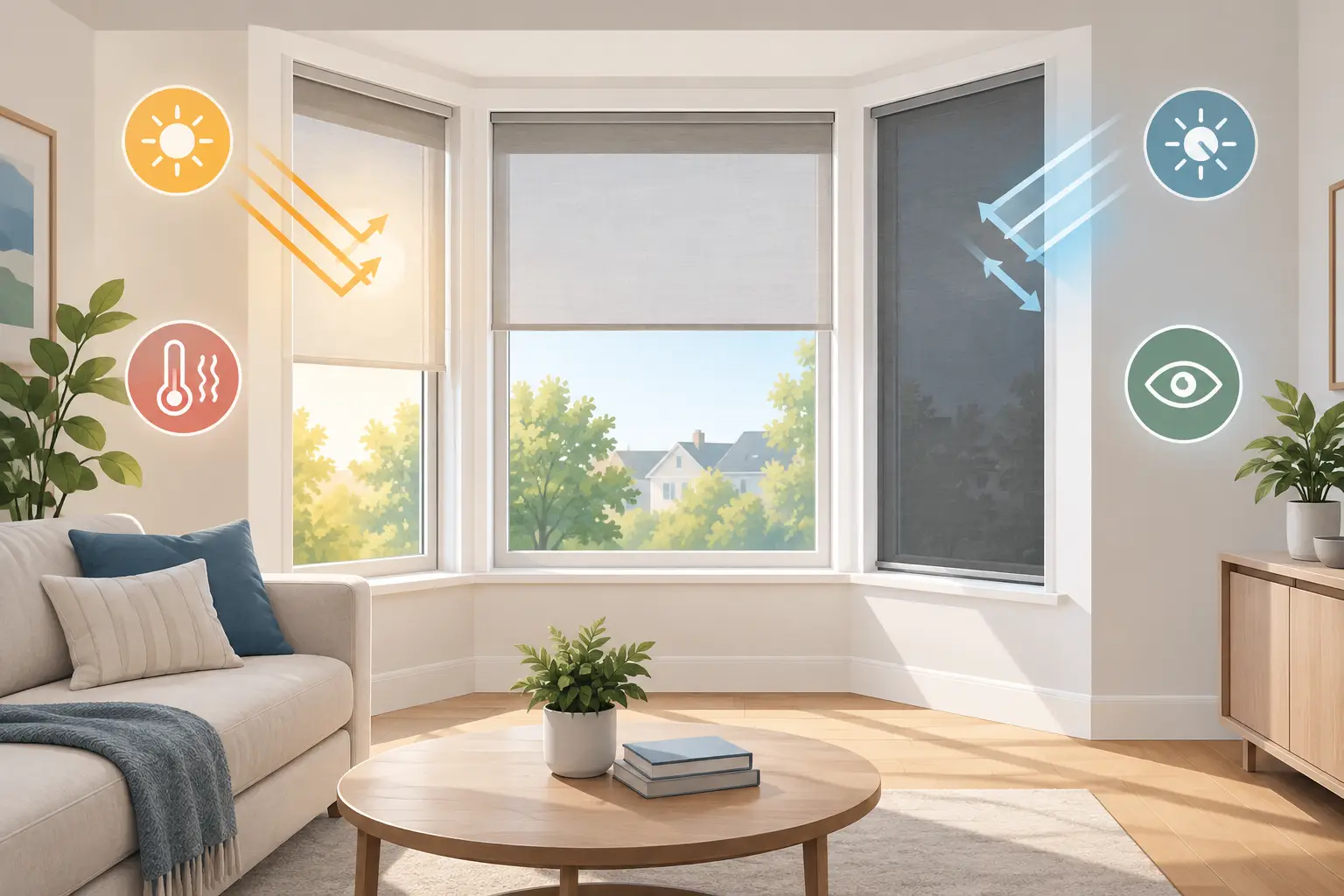
Window film helps by reducing the amount of solar energy and visible light entering through the glass. Depending on the film selected, it can also soften harsh light, cut reflective glare and reduce heat build-up at the same time.
Can you reduce sun glare on tv with window film?
Yes, in most cases you can reduce sun glare on TV with window film very effectively, provided the film is chosen for the room, the glass type and the direction of the sun.
This is where people sometimes get the wrong idea. Window film is not a single product with one finish and one level of tint. There are different grades, shades and reflective options, and the right result depends on how the room is used. A lounge where you watch television through the afternoon needs a different balance from an office with computer screens or a static caravan that overheats in summer.
A good anti-glare film should reduce harsh incoming light enough to make the screen easier to watch, while still allowing usable daylight into the room. That balance matters. Go too dark and the room can feel closed in. Go too light and the glare problem may remain.
What type of window film works best?
For screen glare, solar control film is usually the best starting point. These films are designed to cut solar gain, reduce visible glare and block a high percentage of UV. In practical terms, that means a cooler room, less strain on the eyes and better screen visibility.
Reflective films are often very effective where the sun is strong and privacy is also wanted during the day. They can significantly reduce glare and heat, and they give a more mirrored external appearance. That can suit many homes, offices and static caravans, but it is not always the right look for every property.
Neutral or lightly tinted films are another option where you want glare reduction without a pronounced reflective finish. These can work well in living rooms or commercial settings where appearance matters and a softer look is preferred.
The key point is that film choice should be tailored. The amount of sunlight, the position of the TV, the size of the glazing and whether the room already feels too hot all affect what will perform best.
Reduce sun glare on tv with window film without making the room too dark
One of the most common concerns is whether adding film will make a room gloomy. In most cases, a professionally selected solar film will not black out the space. It reduces excessive brightness rather than removing daylight altogether.
That distinction is important. Many rooms suffer not from a lack of light, but from uncontrolled light. When sunlight is too intense, you end up shutting curtains or blinds and losing the benefit of the window completely. Window film allows the room to stay functional during bright parts of the day.
There is a trade-off, of course. Stronger glare reduction usually means a greater reduction in visible light transmission. If your main priority is TV viewing in a very bright room, a slightly darker or more reflective film may be the better performer. If maintaining a brighter interior is the priority, a lighter film may be more suitable, though the glare reduction will be more moderate.
This is why a one-size-fits-all answer rarely works. The best result comes from matching the film to the actual use of the room.
Other benefits beyond screen glare
Most customers start by asking about glare, but window film usually solves more than one problem at once.
Heat reduction is a major benefit, particularly in conservatories, sunrooms, static caravans and rooms with large glazed areas. If the TV area becomes uncomfortable by lunchtime, reducing solar gain can make the whole space far more usable.
UV protection also matters. Commercial-grade films can block the vast majority of harmful UV rays, helping protect flooring, upholstery, curtains and furnishings from fading over time. So while you are improving screen visibility, you are also protecting the room itself.
Daytime privacy can be another advantage, especially with reflective films. In many homes and caravans, that means you can keep the room bright without feeling overlooked. For offices, shops and other commercial premises, it can improve comfort while giving the glazing a cleaner, more professional appearance.
Where this works especially well
Living rooms are the obvious example, especially when the television sits opposite patio doors, bifolds or wide front windows. In these layouts, glare often changes with the time of day, which makes the room unpredictable. Film creates a more consistent viewing environment.
Static caravans are another strong use case. They often have compact living spaces, large windows and significant solar exposure, particularly in coastal holiday parks. That combination leads to glare, heat and fading. A properly fitted solar film can make the caravan noticeably more comfortable without shutting out the view.
In commercial settings, glare affects more than televisions. Reception screens, meeting room displays and office monitors all suffer when sunlight is unmanaged. The same principle applies – treating the glass is often more effective than constantly adjusting blinds.
Why professional installation makes a difference
It is easy to underestimate how much performance depends on proper specification and fitting. Not every film is suitable for every pane of glass, and some units require careful assessment to avoid thermal stress or the wrong visual finish.
Professional installation means the film is selected for the glazing type, room use and desired outcome. It also means a cleaner finish, with fewer defects, better edge alignment and a result that looks appropriate on the property.
For homeowners and managers, the value is not just in fitting the product. It is in getting to the right product quickly. That is especially important where glare, heat, privacy and appearance all need to be balanced together.
What to consider before choosing a film
Before selecting a film, think about when the glare is worst, which windows are causing it, and whether heat is part of the same problem. A room that is only bright for one hour in the morning may need a different solution from one that is exposed throughout the afternoon.
You should also consider whether daytime privacy is desirable, whether you want a reflective outside look, and how much natural light you are comfortable reducing. These are practical decisions, not styling details. They affect how well the finished job performs.
At Tinting For Glass, the approach is based on matching commercial-grade window film to the way the space is actually used across homes, static caravans and commercial premises. That is often the difference between a room that still needs the blinds closed and one that stays comfortable and usable through the day.
If sunlight is regularly washing out your screen, the answer is rarely a better television. More often, it is better glass performance. The right window film can give you a clearer picture, a cooler room and a space that works properly when the sun is out.