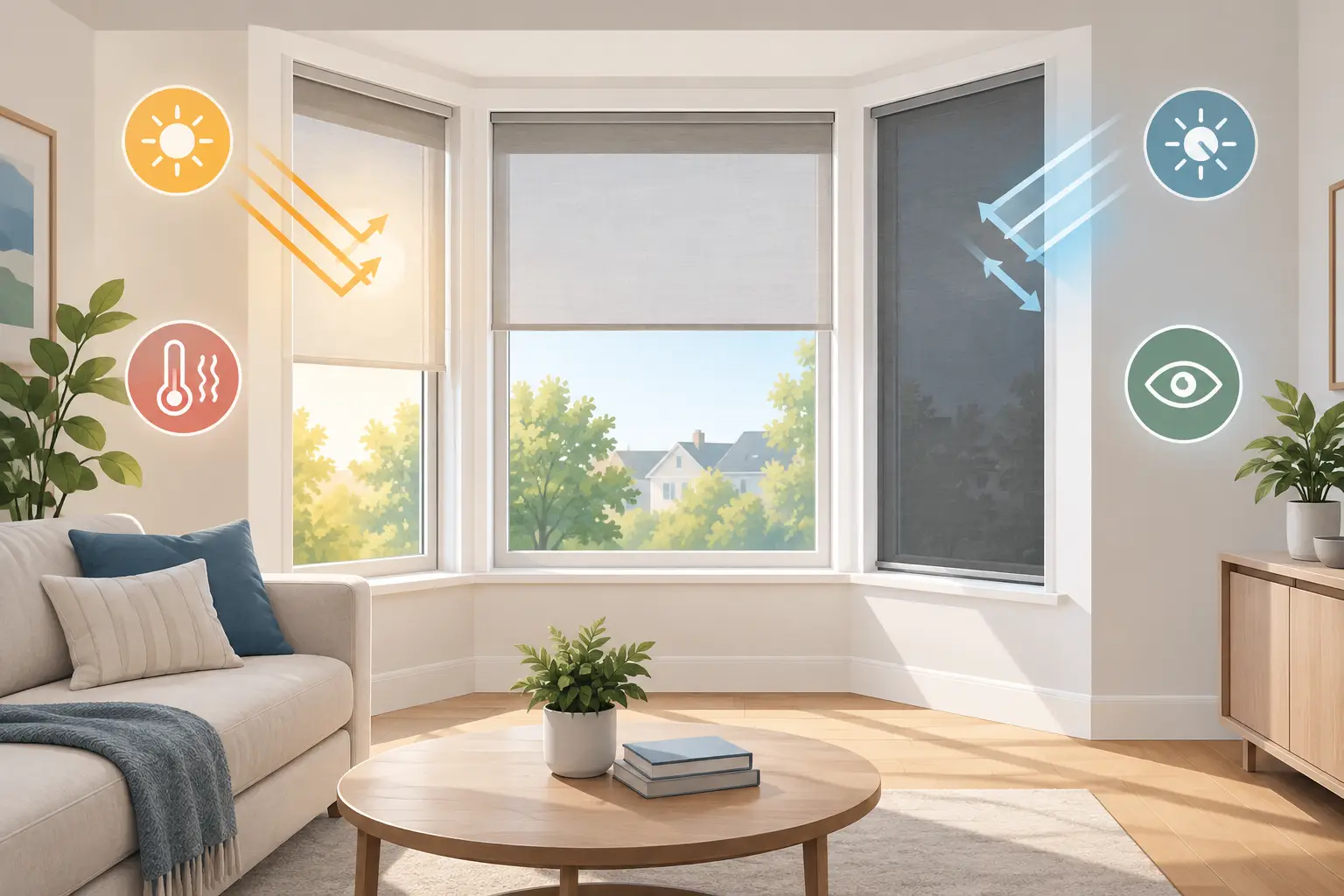
That south-facing lounge that feels like a conservatory by 2pm. The office where the sun hits the screens and nobody can see the figures. The static caravan where you want daytime privacy without living in the dark. If you have double glazing, the next question is usually the same: can window film be installed on double glazing – and will it cause problems?
Yes, in many cases it can. But double glazing changes the risk profile, especially with certain reflective or darker solar films. A good outcome depends on the type of sealed unit, the quality of the glass, what the window already does (low-E coatings are common), and what you want the film to achieve.
Can window film be installed on double glazing?
In practical terms, window film is installed on the inside face of the glass in most domestic and commercial flat-glass jobs in the UK. That includes a lot of double-glazed units. Installation itself is not the issue – adhesion and finish are usually excellent when the glass is prepared correctly.
The real question is compatibility and heat management. Double glazing is designed to insulate by trapping air or gas between two panes. When you add a film that reflects or absorbs solar energy, you change how heat builds up and where it gets trapped. Some films are perfectly suitable on many sealed units. Others can increase thermal stress, which can contribute to cracking in certain conditions.
So the honest answer is: yes, window film can be installed on double glazing, but it needs to be the right film for the right glass, installed the right way.
Why double glazing needs a more careful approach
On single glazing, solar energy passes through one pane. On double glazing, you have two panes and a sealed cavity. When strong sunlight hits the glass and the film alters that energy, the temperature difference across the pane can become more extreme. Glass does not like uneven temperatures – it expands and contracts, and if the stress exceeds what the glass can handle, it can crack.
This is why some online “one-film-fits-all” advice falls down. Two homes can look identical but use different sealed units, different coatings, or different glazing thickness. The same film could be low-risk on one window and high-risk on another.
The main risk: thermal stress cracks
Thermal stress cracks are not the same as impact damage. They often start at the edge of the glass and can look like a crack that appears “out of nowhere”, commonly after a period of strong sun.
Film is not the only cause of thermal stress, but it can increase the likelihood if the glass is already operating near its limits. This tends to show up more in:
- Large panes that get strong direct sun
- South or west elevations
- Windows that are partially shaded (blinds, curtains, external overhangs, or trees) creating hot and cool zones on the same pane
- Units with existing coatings (for example some low-E or solar control glass)
This does not mean you should avoid film – it means the film type and performance level should be selected with the glass in mind.
Which films are typically suitable for double glazing?
There is no single “safe” film category, but in general, lighter solar control films and modern spectrally selective films are often chosen for double glazing because they can reduce heat and glare while keeping absorption lower than older, dark tints.
Privacy films also vary. A heavily reflective film may perform brilliantly for daytime privacy and glare reduction, but if it absorbs a lot of heat on a high-exposure window, it may not be the right match for certain sealed units.
Frosted and decorative privacy films are usually less about heat rejection and more about obscuring vision. They can be a good fit on double glazing where privacy is the priority (bathrooms, entrance sidelights, internal office partitions) and the window is not a major solar gain problem.
Security films are a separate conversation. They are thicker and designed to help hold glass together. They can be used on double glazing, but the right specification matters because performance depends on glass type, frame condition, edge sealing, and the use-case.
When it depends: coatings, gas fills, and modern sealed units
Many double-glazed units now include low-E coatings to improve insulation. Some units also have built-in solar control. Adding film onto coated glass can still be possible, but it affects how heat is managed. The coating location (on a particular surface within the unit) and the film’s properties together determine risk.
Gas fills (argon, krypton) and warm-edge spacers improve efficiency, but they don’t remove the possibility of thermal stress. What matters more is how much energy the film reflects versus absorbs, and how uniform the heating is across the pane.
If you are not sure what you have, you are not alone. Most property owners and managers do not have the glazing spec to hand – which is why a professional assessment is worthwhile before committing to an aggressive solar film.
Double glazing in static caravans and holiday properties
Static caravans are a common request across coastal North Wales. They can heat up quickly, and many owners want privacy during the day without blocking the view.
Most caravan windows are double glazed or sealed units, but they can be smaller, framed differently, and exposed to strong sun and wind. Film can be a very effective upgrade, particularly for glare reduction and daytime privacy, but the same compatibility rules apply. You want a film that performs without overloading the glass, and you want an installation that leaves a clean edge finish and doesn’t interfere with seals, beading, or opening lights.
If your caravan is shut up for long periods, managing internal heat helps with comfort when you arrive and can reduce fading on fabrics and vinyl finishes.
What about warranties on double-glazed units?
Manufacturers’ warranties vary. Some sealed unit warranties can be affected by aftermarket films, especially if a thermal fracture occurs and the manufacturer argues the film contributed.
This is another reason to choose a film that is designed and specified for internal installation on the glass type in question, and to avoid random off-the-shelf products that don’t provide clear performance data.
A professional installer can talk through film options in a way that aligns with your risk tolerance: for example, prioritising a safer heat and glare reduction route on high-exposure windows, while using stronger privacy or reflectivity where the glass is less stressed.
Signs you should not pick a film based on looks alone
If your main driver is “make it darker” or “make it mirror”, pause and think about what you actually need: glare control, temperature reduction, UV protection, or privacy.
A very dark film can reduce glare, but glare can also be reduced with less visible tint by targeting the right part of the solar spectrum. Similarly, daytime privacy is often achievable with reflective finishes, but the best choice depends on your elevation, how overlooked you are, and whether you mind the external appearance.
If you want the benefits without a heavy tint, this is where commercial-grade film selection makes a measurable difference.
Installation quality matters more on double glazing
Even when the film is perfectly compatible, poor installation can spoil the result. Dust contamination, poor edge trimming, or inadequate cleaning will show up more clearly in strong light – exactly the conditions where solar films are most used.
Professional fitting also reduces the chance of issues around window seals and beading. On some frames, there is limited clearance at the edges. Trimming needs to be accurate, and the film needs to be installed in a way that avoids lifting or catching during opening and closing.
If you have glazing bars, textured glass, or older units with compromised seals, those details should be considered before selecting the film.
What results to expect on double glazing
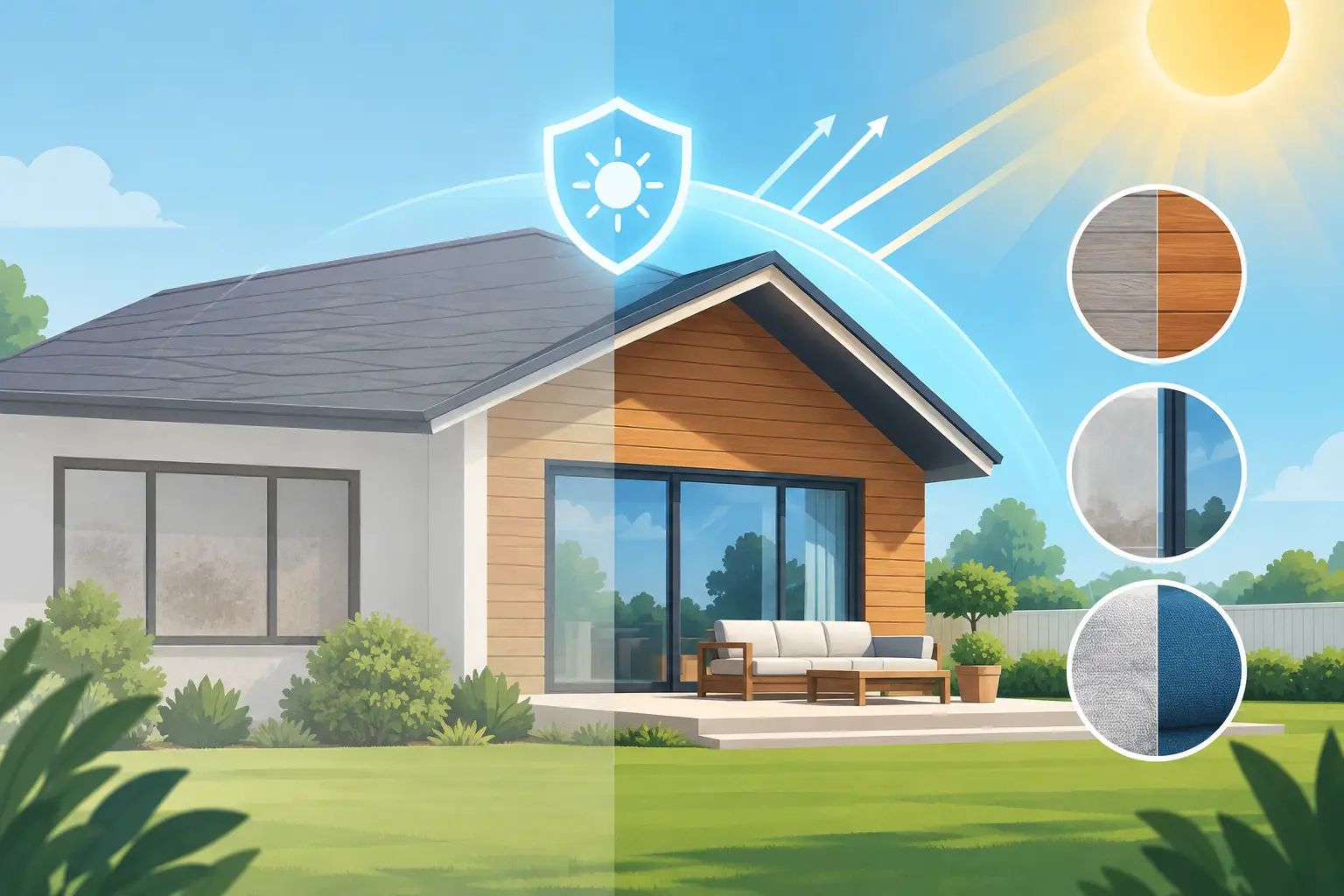
When the film is correctly specified, you can expect a noticeable improvement in how the room feels and functions. Most customers notice glare reduction first – screens become usable, and you stop squinting in the afternoon sun. Temperature control can also be significant, particularly in rooms that overheat due to direct sun. UV protection helps protect furnishings, flooring and display stock from fading, and it is one of the most consistent benefits across film types.
Privacy is more situational. Daytime privacy films work best when it is brighter outside than inside. In the evening, if you have lights on indoors, you may still need blinds or curtains for full privacy, depending on the finish.
Getting the right film for your property in North Wales and surrounding areas
If you are in North Wales, The Wirral, Chester and nearby areas such as Rhos on Sea, Old Colwyn, Llandudno, Prestatyn, Conwy, Anglesey, Abersoch or Pwllheli, the quickest way to a good outcome is to match the film to the glass and the problem you are solving. The same applies across Manchester, Salford, Worsley and Runcorn where commercial glare issues and overheating are common.
At Tinting For Glass (Solar Tint Wales), the focus is commercial-grade window film specified for homes, static caravans and commercial premises – with performance-led options for heat, glare, UV protection, and privacy rather than a one-size-fits-all tint.
If you are weighing up film for double glazing, a useful rule is this: start with what the space needs to do better (cooler, less glare, more privacy, better protection), then choose the least aggressive film that achieves it safely and cleanly. You will feel the difference every day, and the glass will stay happier for it.