A broken shopfront rarely happens at a convenient time. It is usually early morning, after a weekend, or just before a busy trading period when the last thing you need is disruption, lost stock and a boarded-up window. That is why security window film for shops has become a practical upgrade for retailers who want better protection without replacing existing glazing.
For many shop owners, the question is not whether glass is vulnerable. It is how to reduce that vulnerability in a way that is cost-effective, tidy in appearance and suitable for day-to-day trading. Security film is designed to strengthen the performance of the glass already in place by helping hold it together when struck. That can make forced entry slower, mess more manageable and the premises safer for staff and customers.
What security window film for shops actually does
Security film is a heavy-duty polyester film applied directly to internal glass surfaces. Unlike standard decorative or light solar films, it is made with impact resistance in mind. Its main job is not to make glass unbreakable, because no honest installer should claim that. Its real value is that it helps keep shattered glass bonded together rather than allowing it to fall away immediately.
That difference matters. In a smash-and-grab attempt, the first break is often only part of the problem. If the glass collapses quickly, access becomes easy within seconds. When security film is professionally fitted, the glass is more likely to stay in place for longer, which can delay entry and draw attention to the attack. Even a short delay can be enough to make an opportunist move on.
There is also a safety benefit that is often overlooked. If a pane breaks through accident, vandalism or impact, loose shards create obvious risk inside and outside the premises. Film helps reduce flying glass and can make the aftermath easier to control until repairs are arranged.
Why shops choose it instead of replacing glass
Full glass replacement can be the right answer in some settings, especially if the current units are poor quality, damaged or not fit for the building’s use. But replacing every pane with laminated or specialist security glazing is a bigger project, with higher cost and more disruption.
Security window film for shops gives businesses another route. It upgrades the performance of existing glazing without changing the entire frontage. For independent retailers, salons, convenience stores, cafés and offices with customer-facing windows, that often makes more sense. You keep the appearance of the premises, avoid major building work and still improve resistance to impact.
It is also useful where appearance matters. Many retail premises rely on clear glass to display products and keep the frontage open and welcoming. A properly selected security film can maintain that look. Some films are virtually clear, while others can be combined with privacy, anti-glare or solar control options if the shop has more than one issue to solve.
Where security film makes the biggest difference
Not every pane in a shop carries the same level of risk. Front display windows and glazed entrance doors are usually the first concern because they are the most exposed. Side windows, rear access doors and low-level glazing can also be vulnerable, particularly where visibility from the road is limited.
This is why a tailored approach matters. In some premises, treating the full frontage is the sensible option. In others, the better answer is focusing on the most accessible or most at-risk panes. Corner shops, retail units on quieter parades and premises left empty overnight may have different requirements from salons or offices in busier town locations.
The film specification also depends on the glass itself. Thickness, pane size, frame condition and whether the unit is toughened or annealed all affect performance. Security film works best when it is matched properly to the glazing rather than treated as a one-size-fits-all product.
Security film is not a magic fix
There is a common misunderstanding that security film makes a window impossible to break. It does not. Glass can still crack, and determined intruders with enough time and force may still get through. The benefit is in making the process harder, slower and noisier.
That trade-off is worth understanding because good security is usually layered. Film works best alongside strong frames, quality locks, shutters where appropriate, alarms and sensible lighting. If a shopfront has weak surrounding components, the glass is only one part of the picture.
This is also why professional assessment matters. A reliable installer should be clear about what film can and cannot do. If your goal is basic smash-and-grab resistance, one type of film may be suitable. If you need a higher level of performance because of stock value, location or repeated incidents, the recommendation may be different.
Extra benefits beyond break-in resistance
Although the main reason for installing security film is protection, many shop owners also want the glazing to do more than one job. This is where flat glass film can be particularly useful.
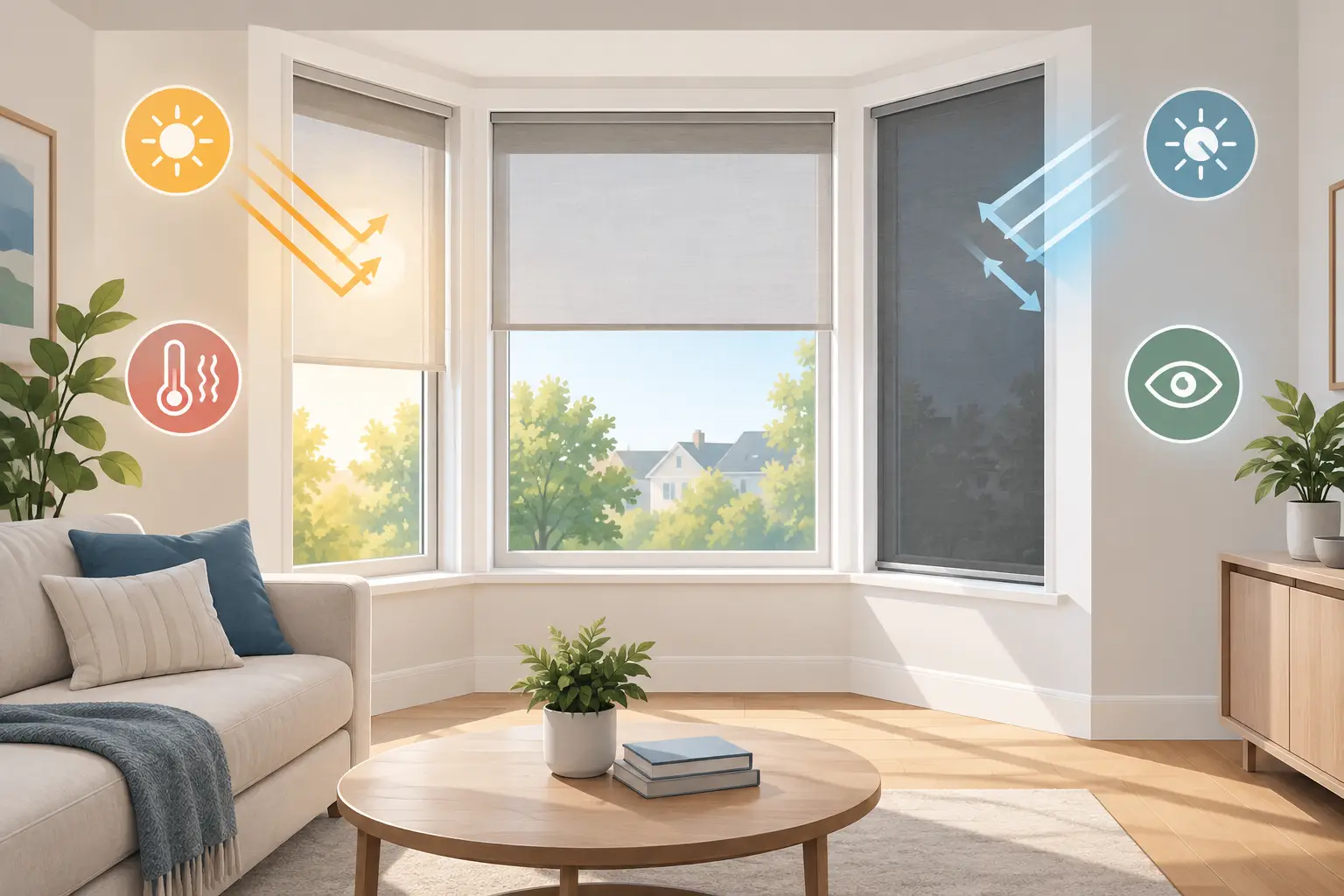
Some premises suffer from heavy glare across tills, screens or display areas. Others get excessive solar heat through front-facing windows, making the trading space uncomfortable in warm weather. UV exposure can also fade stock, packaging, furnishings and interior finishes over time. In those cases, a combined film solution may offer security alongside solar control, anti-glare performance or added privacy.
That does not mean every security film will deliver every benefit equally. Clear films tend to preserve the look of the glass and focus on safety and retention. Tinted or reflective options may help with glare, heat and daytime privacy, but the best choice depends on the layout of the premises and how you use the frontage. For shops, appearance matters as much as performance.
Why installation quality matters
With security film, fitting standards are just as important as the film itself. Poorly installed film can lift, crease, leave weak edges or fail to perform as expected under impact. The finish also needs to be clean and professional, especially in customer-facing spaces where untidy glazing affects how the business looks.
Professional installation starts with checking the glass condition and identifying the right film type. The glass must be prepared correctly, the film cut and applied accurately, and the final finish inspected properly. In some cases, attachment systems may also be recommended to improve how the filmed glass performs within the frame.
This is not a product to judge purely on price. A cheaper film fitted badly may look acceptable at first but offer less protection when it matters. For shops, reliability is the point of the investment.
Is security window film right for every shop?
Not always. If the glass is already damaged, if the frames are failing, or if the premises need a much higher-security glazing system, film may only be part of the answer. Equally, if your main concern is privacy rather than break-in resistance, another commercial-grade film may be more appropriate.
That said, security film is a strong fit for many retail and commercial premises because it improves safety without major alteration to the shopfront. It is especially practical where the goal is to reduce the chance of rapid entry, limit dangerous glass fallout and retain a clean, professional appearance.
For businesses across North Wales, The Wirral, Chester and surrounding areas, the most useful starting point is a site-specific recommendation rather than a generic product choice. A professional installer can assess the glazing, the exposure of the premises and any related issues such as glare or heat, then recommend a film that suits the building and the way it is used.
If your shopfront is one of the first things a customer sees, it should work harder than simply letting light in. The right film can help it stay safer, look professional and give you a little more peace of mind when you lock up at the end of the day.