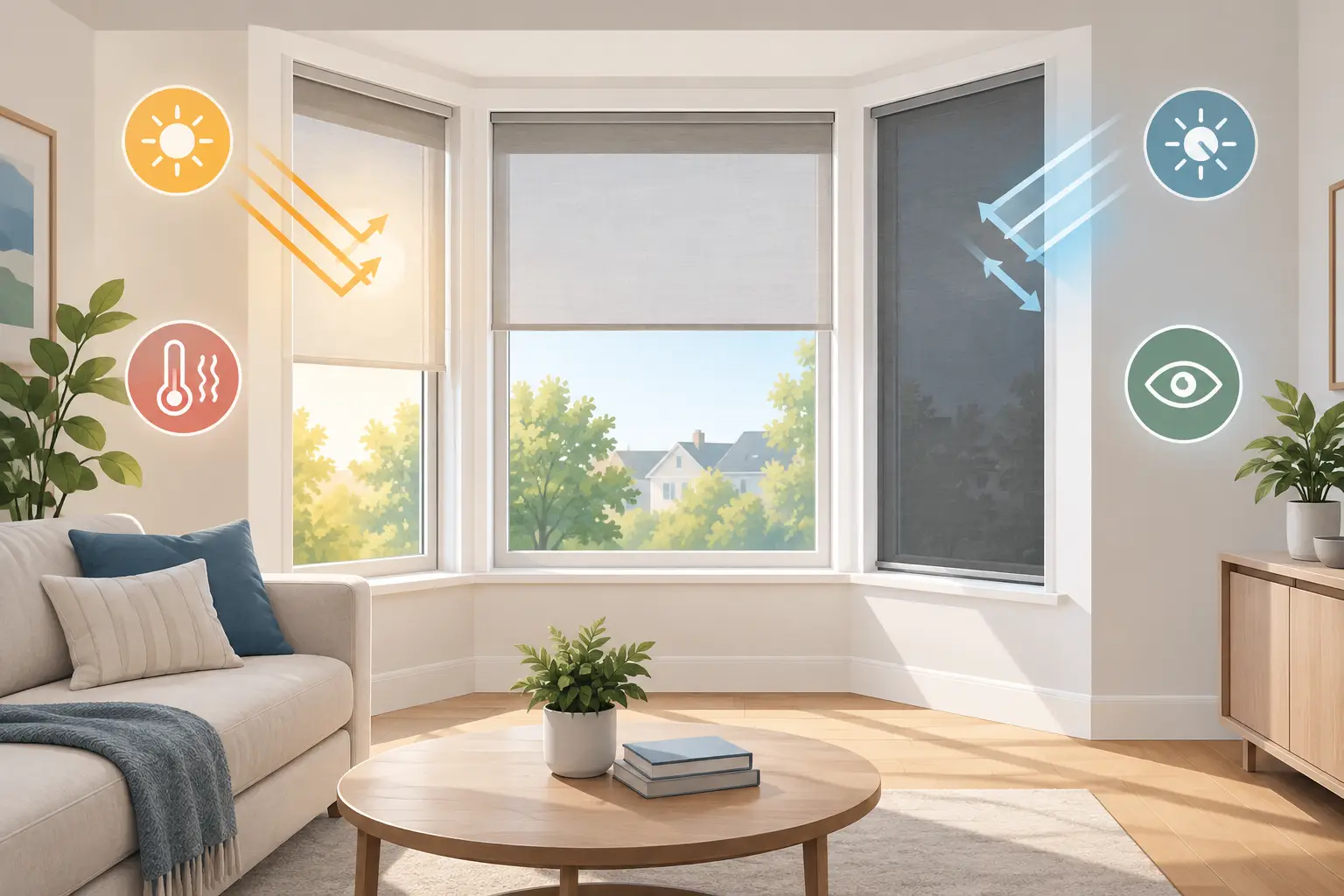
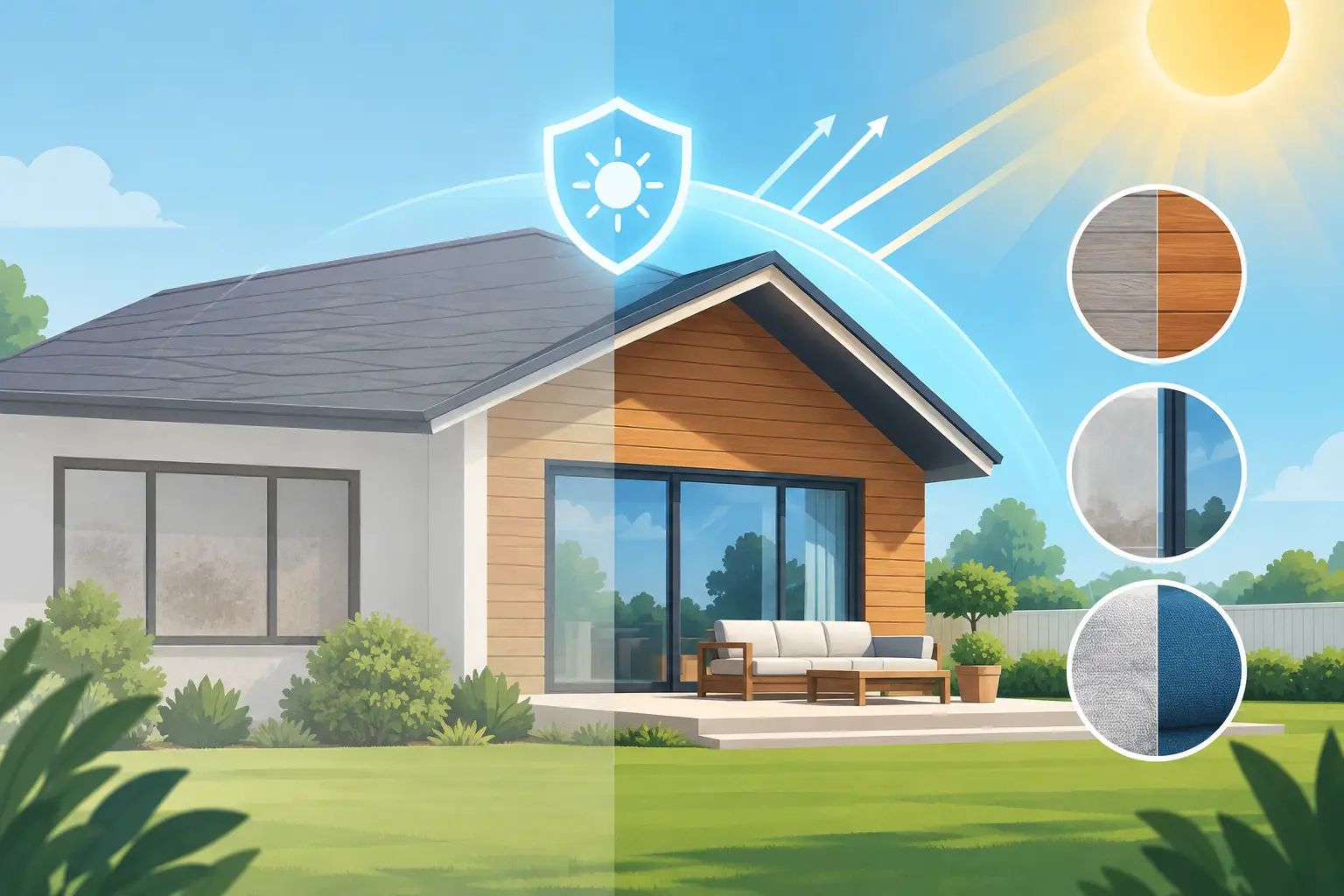
By mid-afternoon, this conservatory had become the one room nobody wanted to sit in. South-facing glazing brought in plenty of natural light, but it also turned the space into a heat trap from late morning onwards. This conservatory cooling window film case study shows what changed after a professional solar film installation, what results the homeowner noticed straight away, and where expectations needed to stay realistic.
The problem: bright room, poor usability
The property owner used the conservatory as a family sitting room for most of the year, but in warmer months it became uncomfortable very quickly. On sunny days the temperature rose sharply, glare made reading and screen use difficult, and the furniture near the glass was exposed to constant UV. Blinds helped a little with glare, yet they also blocked a lot of the light that made the room appealing in the first place.
That trade-off is common in conservatories. Large areas of glazing are excellent for daylight, but they can also create overheating, harsh reflections and fading of fabrics, flooring and furnishings. Opening doors and windows gave some relief, although it was not enough during still, warm weather. The homeowner did not want to replace the glass, fit bulky internal shading, or make the room feel darker.
Why window film was the right fit
For this project, the brief was clear. The customer wanted a cooler conservatory, less glare, continued daylight and a neat finish that suited the property. In practical terms, that meant a film designed to reduce solar heat gain and UV exposure without making the room feel enclosed.
A professional-grade solar control film suited the job because it addressed several issues at once. It reduced a proportion of the sun’s heat before it built up inside the space, cut glare to make the room easier to use, and blocked the vast majority of UV that contributes to fading. Just as importantly, it worked with the existing glazing, which made it a more straightforward option than replacing units.
This is where specification matters. Not every conservatory needs the darkest or most reflective film available. Some customers want stronger daytime privacy and a more mirrored external finish. Others are mainly concerned with heat and glare and want a lighter, less noticeable appearance. The right answer depends on the orientation of the conservatory, roof and side glass area, how the room is used, and what look the customer is comfortable with.
Conservatory cooling window film case study: the assessment
The conservatory in this case had heavy sun exposure through the roof glazing and front elevation during the hottest part of the day. The homeowner’s main complaint was not simply that the room was warm. It was that the heat build-up came quickly, stayed trapped, and made the room awkward to use for ordinary daily activities.
During the assessment, several practical points shaped the film choice. The room needed to remain bright enough for general family use. The customer also wanted to preserve the open feel of the conservatory rather than create a darkened extension. At the same time, glare reduction needed to be noticeable enough to improve comfort when using a tablet and watching television.
A solar control film with a reflective finish provided the best balance. It offered stronger solar rejection than a very light neutral film, while still keeping the room pleasant and usable. For conservatories, that balance is often more important than chasing the highest technical figure on paper. A film can perform well in testing, but if the finish is not suitable for the property or the room becomes too dim for the customer, it is not the right solution.
Installation and what changed immediately
Once the film was selected, installation was carried out across the relevant glazed sections to create consistent performance through the sun-exposed areas. Professional fitting matters here. Conservatory glass can present access and angle challenges, and the finish needs to be clean and even if the customer is going to look at it every day from close range.
The first thing the homeowner noticed was glare reduction. The room felt calmer visually, particularly in the afternoon when sunlight had previously bounced harshly off flooring, furniture and screens. The second was that the conservatory no longer spiked in temperature as aggressively on sunny days. It still warmed up, as any heavily glazed space will, but the increase was more controlled and the room stayed comfortable for longer.
That distinction is worth being honest about. Window film reduces solar heat gain. It does not turn a fully glazed conservatory into a cool room in extreme summer conditions with no ventilation. Customers get the best results when film is paired with sensible airflow and realistic expectations. What it does do very effectively is reduce the intensity of heat and glare that makes the room unpleasant in the first place.
The practical results after fitting
Over the following weeks, the conservatory became a room the family could use through more of the day. Instead of closing it off at peak sun hours, they were able to keep it in regular use with less dependence on blinds. Natural light was still there, but it felt more controlled.
The homeowner also reported that soft furnishings no longer felt as exposed, which mattered because fading had become a concern. UV protection is often overlooked at the buying stage because it is not as immediately obvious as glare or temperature, but over time it is one of the most valuable benefits of a quality window film.
Daytime appearance improved as well. From outside, the reflective finish gave the conservatory a cleaner, more uniform look while adding a level of daytime privacy. That privacy benefit depends on lighting conditions, of course. During the day, reflective film can make it harder to see in from outside. At night, when interior lights are on, that effect is reduced, so customers should not treat solar film as a full privacy solution after dark.
What this case study tells conservatory owners
The main lesson from this conservatory cooling window film case study is that performance comes from matching the film to the space, not from choosing a generic tint. Conservatories vary widely. A compact lean-to with limited roof glazing behaves differently from a large glass-heavy room facing full afternoon sun. The same film will not suit every property.
It also shows why homeowners often find internal blinds disappointing as a standalone fix. Blinds can reduce brightness, but they usually deal with sunlight after it has already passed through the glass. Solar control window film works earlier in the process by rejecting a proportion of solar energy at the glazing itself. That is why it tends to feel more effective in real use.
There are still trade-offs. More reflective films usually offer stronger solar performance and better daytime privacy, but they also change the external appearance more noticeably. Lighter films preserve a more natural look, though the heat rejection may be less aggressive. That is why a proper recommendation matters, particularly for conservatories where both performance and appearance are highly visible.
When conservatory window film makes the most sense
This type of solution is especially useful when the glass is in good condition and the customer wants a practical upgrade without major building work. It suits homeowners who are dealing with overheating, static caravan owners with heavily sun-exposed glazed areas, and property managers trying to improve comfort in bright, difficult rooms.
For homes across North Wales, the Wirral, Chester and surrounding areas, that often means spaces that get strong seasonal sun and need to remain usable without shutting out daylight altogether. A well-specified commercial-grade film helps achieve that. It is a performance product, not just a cosmetic one.
For customers considering this route, the right starting point is simple. Focus on the actual problem first. Is the main issue heat, glare, UV, daytime privacy, or a combination of all four? Once that is clear, the film choice becomes much easier and the finished result is far more likely to meet expectations.
If your conservatory is bright but difficult to use for long periods, the answer may not be more blinds or heavier curtains. A tailored solar film installation can keep the room lighter, calmer and more comfortable – which is the whole point of having the space in the first place.