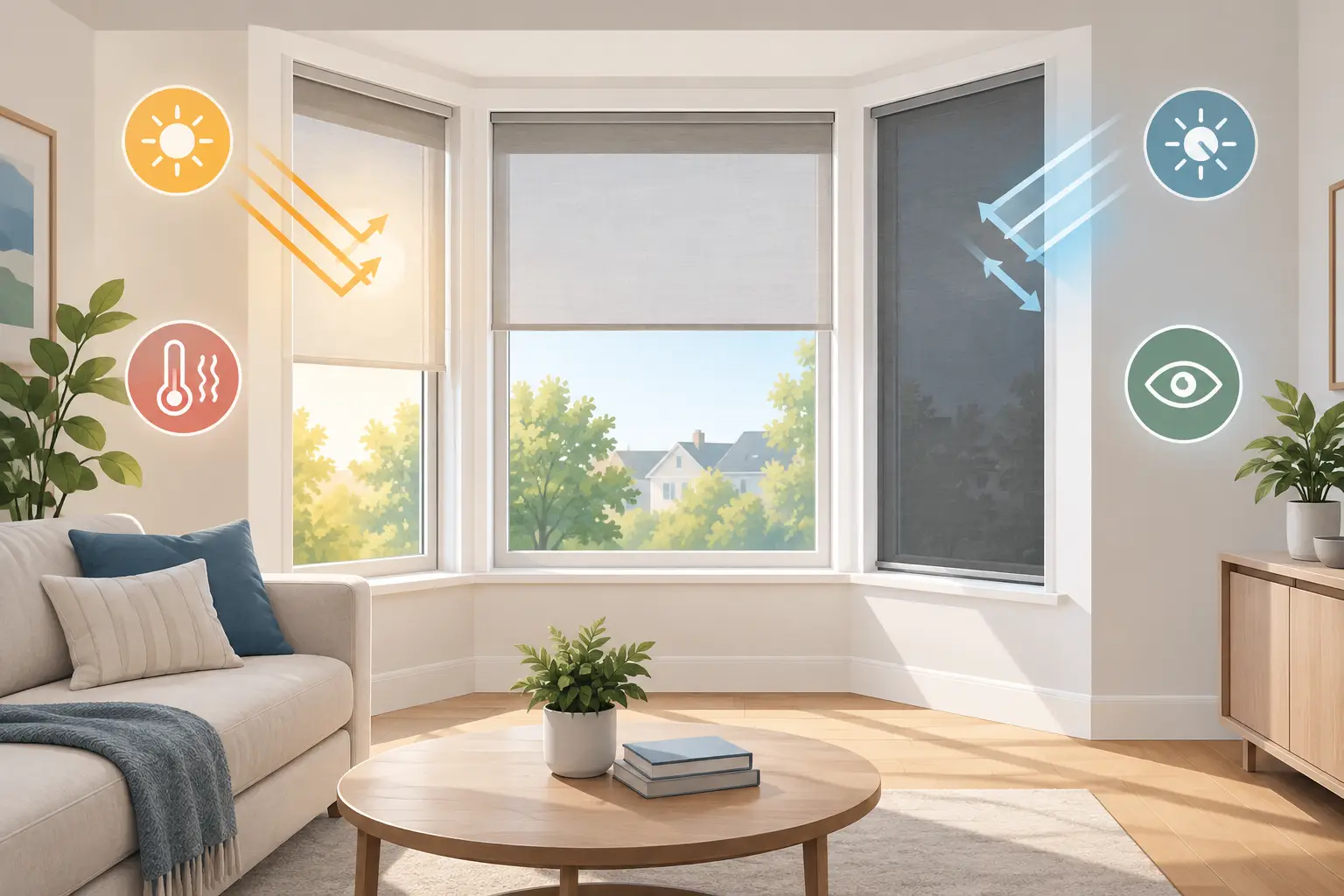
That faded patch on a sofa arm or the uneven colour on a timber table usually does not happen overnight. It builds up slowly through everyday sunlight, and by the time it is obvious, some of the damage is already permanent. If you are wondering how to protect furniture from UV, the key is to deal with the light before it reaches the fabric, wood, leather or flooring in the first place.
UV exposure is one of the main reasons furnishings lose colour, dry out or age unevenly. In homes, conservatories, offices and static caravans, the problem is often worse than people expect because large glazed areas let in strong daylight for hours at a time. The room may feel bright and pleasant, but the same sunlight can steadily shorten the life of the materials inside it.
Why furniture fades faster in bright rooms
Sunlight contains ultraviolet radiation as well as visible light and heat. UV is particularly damaging because it breaks down the chemical bonds in dyes, finishes and surface coatings. That is why fabrics bleach, timber loses richness, leather becomes brittle and photographs or artwork begin to discolour.
It is not only direct sun that causes problems. Reflected light and constant ambient exposure can also wear materials down over time. A chair beside a window may fade more quickly on one side, but even furniture set further back in the room can be affected if the space receives strong daylight throughout the day.
South-facing rooms, conservatories and static caravans are common trouble spots because they combine extended sun exposure with heat build-up. Commercial premises can see the same issue, especially where front glazing, meeting rooms or shopfronts allow prolonged daylight onto seating, displays and flooring.
How to protect furniture from UV at the source
The most effective way to reduce fading is to stop a large proportion of UV before it enters the glass. That matters because once sunlight is already in the room, blinds and curtains can help, but they do not always solve the full problem. They also block natural light when closed, which is not ideal if you still want the room to feel open and usable.
Professional window film is often the most practical solution because it works directly on the glazing. A commercial-grade solar film can reject a very high percentage of UV while also helping with glare and heat. That means the room remains brighter and more comfortable without exposing furniture and finishes to the same level of daily damage.
This approach tends to suit people who want protection without turning the space into a darker room. It is particularly useful in conservatories, static caravans and offices where blinds are often either left open for visibility or become inconvenient to adjust all day.
Why window film is usually better than relying on blinds alone
Blinds and curtains have their place, especially during peak sun, but they are reactive rather than preventative. They only work when closed, and many people naturally open them to enjoy daylight or the view outside. That leaves furniture exposed for long periods.
Window film works all the time. Once professionally installed, it provides consistent UV reduction across the glazed area without depending on someone remembering to close a blind. Depending on the film selected, it can also reduce glare on screens, improve daytime privacy and make hot rooms easier to use.
There is a trade-off, of course. Different films have different finishes and light transmission levels, so the right option depends on the room, the direction of the glass and what matters most to you – maximum heat reduction, a lighter appearance, stronger privacy or a balance of all three.
Protecting different furniture materials from UV
Not all furnishings respond to sunlight in the same way. Understanding the material helps you choose the right level of protection.
Wood furniture
Natural wood and veneered surfaces can lighten, yellow or develop uneven tones when exposed to regular sun. Finishes may also dry out or lose depth. If a dining table or sideboard sits close to a patio door, the exposed section often ages at a different rate from the shaded part.
For timber furniture, reducing UV through the glass is the best first step. You can also rotate decorative items and avoid leaving table runners or placemats in one fixed position for months, as these can create obvious contrast lines where the surrounding surface fades.
Upholstery and soft furnishings
Sofas, armchairs, cushions and rugs are especially vulnerable because textile dyes can break down quickly in strong light. Darker colours may fade noticeably, while lighter fabrics can yellow or lose their original tone.
If a room receives persistent glare or afternoon sun, solar film helps protect the larger upholstered pieces without forcing you to keep curtains shut. In high-exposure rooms, it also makes sense to rotate cushions and occasionally adjust furniture placement if practical.
Leather furniture
Leather is affected by both UV and heat. Prolonged exposure can lead to fading, stiffness and cracking, especially in bright rooms that also become hot during summer. Conditioning products can help maintain the material, but they do not stop the root cause.
Reducing solar exposure at the window is more reliable than trying to restore leather once it has dried out. This is one reason solar control film is often a sensible choice in lounges, garden rooms and caravans with large front windows.
Practical steps that make a real difference
If you want a room to stay bright but need better protection, the answer is usually a combination of measures rather than one small change.
Start with the glazing because that is where the exposure begins. Professional solar window film provides the strongest day-to-day defence against UV and helps reduce the heat and glare that often come with it. After that, sensible room layout still matters. If a valuable piece sits directly in a sunbeam for hours every afternoon, moving it slightly can reduce concentrated wear.
Blinds and curtains still have value, particularly during extreme summer conditions or in rooms with low-angle evening sun. They are best used as an added layer rather than the main strategy. For delicate items such as artwork, photographs or antiques, distance from the window can also make a noticeable difference.
How to protect furniture from UV in conservatories and static caravans
These are two of the most challenging environments because glass area is often high and summer temperatures rise quickly. In a conservatory, the issue is rarely just fading. People also struggle with glare, hot seating areas and rooms that are uncomfortable at certain times of day.
In static caravans, the same problem is amplified by compact interiors and large front-facing windows. Soft furnishings, laminate finishes and seating can take a lot of sun, especially in coastal locations where owners want to keep the view and the daylight.
In both cases, fitted solar film offers a practical balance. It reduces UV exposure, helps control heat and cuts glare without completely closing the space off. That means the room remains usable while the interior has better long-term protection.
Choosing the right level of UV protection
Not every property needs the darkest or most reflective film. A family home may prioritise a natural look with strong UV reduction. A conservatory may need a higher-performing solar control film because heat is just as much of an issue as fading. An office might want to reduce screen glare while keeping a professional exterior appearance.
That is why a tailored approach matters. The right product depends on the type of glazing, the orientation of the windows and how the room is used day to day. A one-size-fits-all answer rarely gives the best result, especially where comfort, privacy and interior protection all matter together.
For property owners across North Wales, Chester, the Wirral and surrounding areas, this is where specialist advice is useful. A professional installer can assess the space and recommend a commercial-grade film that suits the building rather than simply offering the darkest option available.
When acting early saves money
People often look into UV protection after they notice fading, but the real value comes from preventing damage before replacement becomes necessary. Reupholstering seating, replacing flooring or living with permanently uneven finishes usually costs more than addressing the glazing properly at the start.
If a room already feels too bright, too warm or uncomfortable during sunny parts of the day, those are signs worth taking seriously. They usually point to the same underlying issue – excessive solar gain through the glass. Protecting furniture is part of the solution, but so is making the space more comfortable to use.
A well-chosen window film does not just preserve what is already in the room. It helps the room work better, day after day, with less glare, more manageable heat and far lower UV exposure. If you want furniture, flooring and finishes to hold their appearance for longer, dealing with the glass is normally the smartest place to start.