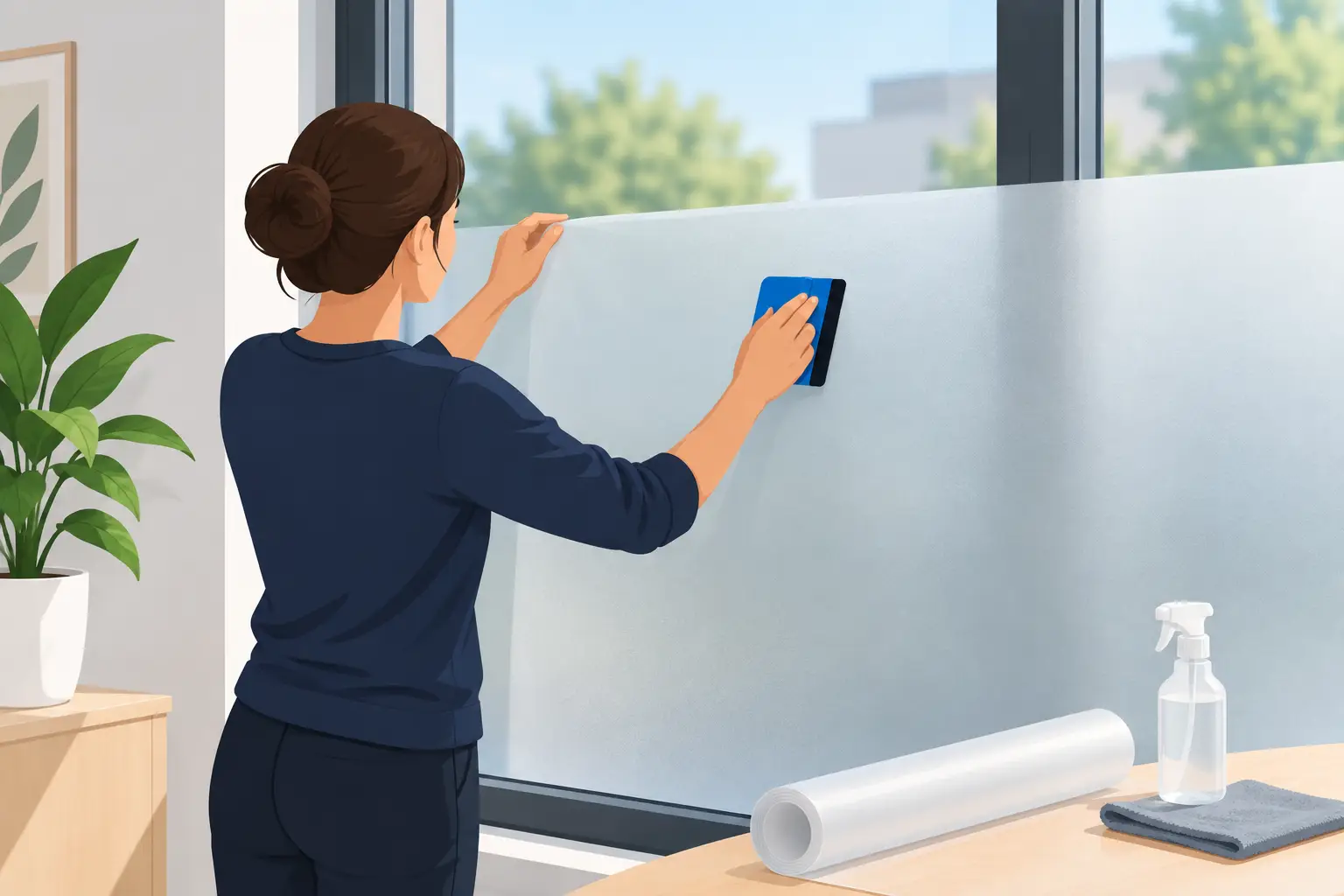
If you are comparing options for a hot conservatory, a glare-heavy office, or a static caravan that feels exposed in summer, the question usually comes down to this: is window film better than tinted glass? For most existing properties, window film is the more practical and cost-effective solution because it upgrades the glass you already have without the disruption and expense of full replacement.
That said, the right answer depends on the building, the type of glass already installed, and what result matters most to you – heat reduction, daytime privacy, anti-glare performance, UV protection, appearance, or security.
Is window film better than tinted glass for most properties?
In many residential and commercial settings, yes. Window film gives you far more flexibility because it is applied to existing flat glass rather than requiring new tinted units to be manufactured and fitted. That makes it especially useful for homes, offices, shops, schools, conservatories and static caravans where the glass itself is still in good condition but the room is uncomfortable to use.
Tinted glass is coloured during manufacture or built into the glazing unit. It can reduce brightness and alter the appearance of the window, but it is not always the most efficient route if your main issue is heat, glare or privacy in a completed property. Replacing glazing is a bigger job, and once that glass is in place, your options are limited.
Window film, by contrast, is a performance product. Different films are designed for different outcomes, so you can choose a tailored solution rather than accepting a one-size-fits-all result. If you want strong solar control in a south-facing room, a reflective finish for daytime privacy, or a near-clear film that cuts UV without darkening the space too much, film gives you that choice.
The main difference between window film and tinted glass
The simplest way to look at it is this: tinted glass is the glass itself, while window film is a specialist layer added to the glass.
That difference matters because it changes what is possible after a building is already in use. If a property owner in Chester or Llandudno has a meeting room with screen glare every afternoon, or a static caravan in Abersoch that becomes too hot by lunchtime, window film can solve that problem without replacing the whole window system. That makes it faster to specify, easier to install, and usually much more economical.
It also means performance can be more targeted. Some films are designed primarily for glare reduction, some for heat rejection, some for privacy, and others for safety or security. Tinted glass may help in a general sense, but it does not always deliver the same level of control across these different priorities.
Heat reduction and glare control
This is where window film often pulls ahead.
Many people assume darker glass automatically means better solar control. In practice, that is not always true. The shade of the glass affects visible light, but proper solar window film is engineered to manage solar energy more effectively. Commercial-grade films can reject a significant amount of heat and cut harsh glare while still allowing good natural light into the room.
That is particularly useful in conservatories, garden rooms, offices with lots of glazing, and static caravans exposed to direct sun. These spaces often become uncomfortable not because they need less daylight, but because they need better control of solar gain and glare. A well-chosen film can make the room more usable without making it feel gloomy.
Tinted glass can help reduce brightness, but if the wrong specification is used, you may end up with a darker room that still gets too warm. That is why the product choice matters more than the general idea of “tinting”.
UV protection and protecting interiors
If your concern is fading furniture, flooring, fabrics or displays, window film is usually the stronger option.
High-quality window films are designed to block the vast majority of harmful UV rays. That matters in homes where sun hits carpets and sofas every day, in shops where stock sits in window displays, and in offices where prolonged sunlight affects finishes and furnishings.
Tinted glass may offer some UV reduction, but it is often not the core reason it was specified. Window film is more deliberate. It is installed specifically to improve glass performance, and UV protection is one of the clearest everyday benefits.
For property owners who want to preserve interiors while keeping a bright space, this makes film a very practical upgrade.
Privacy without losing the room
Privacy is another area where the answer depends on timing and use.
If you need daytime privacy from overlooking roads, neighbouring properties or busy footfall areas, reflective or privacy window film is often a better fit than standard tinted glass. It can obscure the view in from outside during the day while still allowing outward visibility from indoors. That is why it is so popular for street-facing offices, reception areas, homes and static caravans on holiday parks.
Tinted glass may soften visibility, but it does not always provide the same level of daytime privacy. In many cases it simply makes the window darker rather than more private.
There is one important trade-off to mention. Reflective privacy film works best in daylight conditions where the outside is brighter than the inside. At night, when interior lights are on, that privacy effect is reduced. If privacy is needed around the clock, a different glass treatment or an additional screening solution may be more suitable.
Cost, disruption and practicality
For existing buildings, this is often the deciding factor.
Replacing windows with tinted glass is a more expensive and disruptive route. It involves removing the current glazing, supplying new units, and fitting them correctly. That may be justified if the windows are already due for replacement, but it is rarely the first choice when the frames and glass are otherwise sound.
Window film is typically the more efficient upgrade. It works with your current glazing and can be specified around the problem you are trying to solve. For landlords, homeowners, facilities teams and caravan owners, that usually means less disruption and a quicker path to a usable result.
From a value point of view, film makes sense when you want to improve comfort, privacy and solar control without turning the job into a full glazing project.
When tinted glass may be the better choice
There are cases where tinted glass does make sense.
If you are building from scratch, replacing failed glazing units anyway, or designing a façade where the appearance of the glass is a fixed part of the specification, tinted glass may be worth considering. It can form part of the building design from the outset and may suit projects where the glazing package is being chosen as a whole.
It may also appeal to owners who want a permanent factory-finished appearance built into the glass rather than an applied film system.
Even then, the question should not just be whether the glass is tinted. It should be whether it delivers the performance required for heat, glare, UV and privacy. A tinted appearance alone is not the same as a tailored solar control solution.
Is window film better than tinted glass for homes, caravans and commercial buildings?
For most homes, yes – especially if the issue is overheating, glare on screens or television, fading furnishings, or a lack of daytime privacy.
For static caravans, window film is often the smarter option because it improves comfort quickly and helps keep interiors cooler and less exposed during sunny periods. Caravan owners usually want practical gains, not a major refit.
For commercial properties, film is often the most adaptable choice. Offices can reduce screen glare and improve staff comfort. Shops can protect displays and soften harsh sunlight. Property managers can improve the feel and function of a space without replacing every glazed unit.
That is why businesses such as Tinting For Glass focus on professional installation of commercial-grade films for flat glass applications. The goal is not just to darken a window. It is to solve a performance problem properly.
The better question to ask
Rather than asking only whether window film is better than tinted glass, it helps to ask what you need the glass to do.
If you need a cost-effective upgrade for an existing property, window film is usually the better answer. If you need targeted control over heat, glare, UV or privacy, it is often the better answer again. If you are already replacing glazing as part of a larger building project, tinted glass may be worth assessing alongside film.
The best results come from matching the product to the use of the space. A bright family room, a south-facing office, a roadside shopfront and a coastal static caravan do not all need the same specification.
If your windows are making the room too hot, too bright, too exposed or simply difficult to use, the right film can change that without changing the whole building.