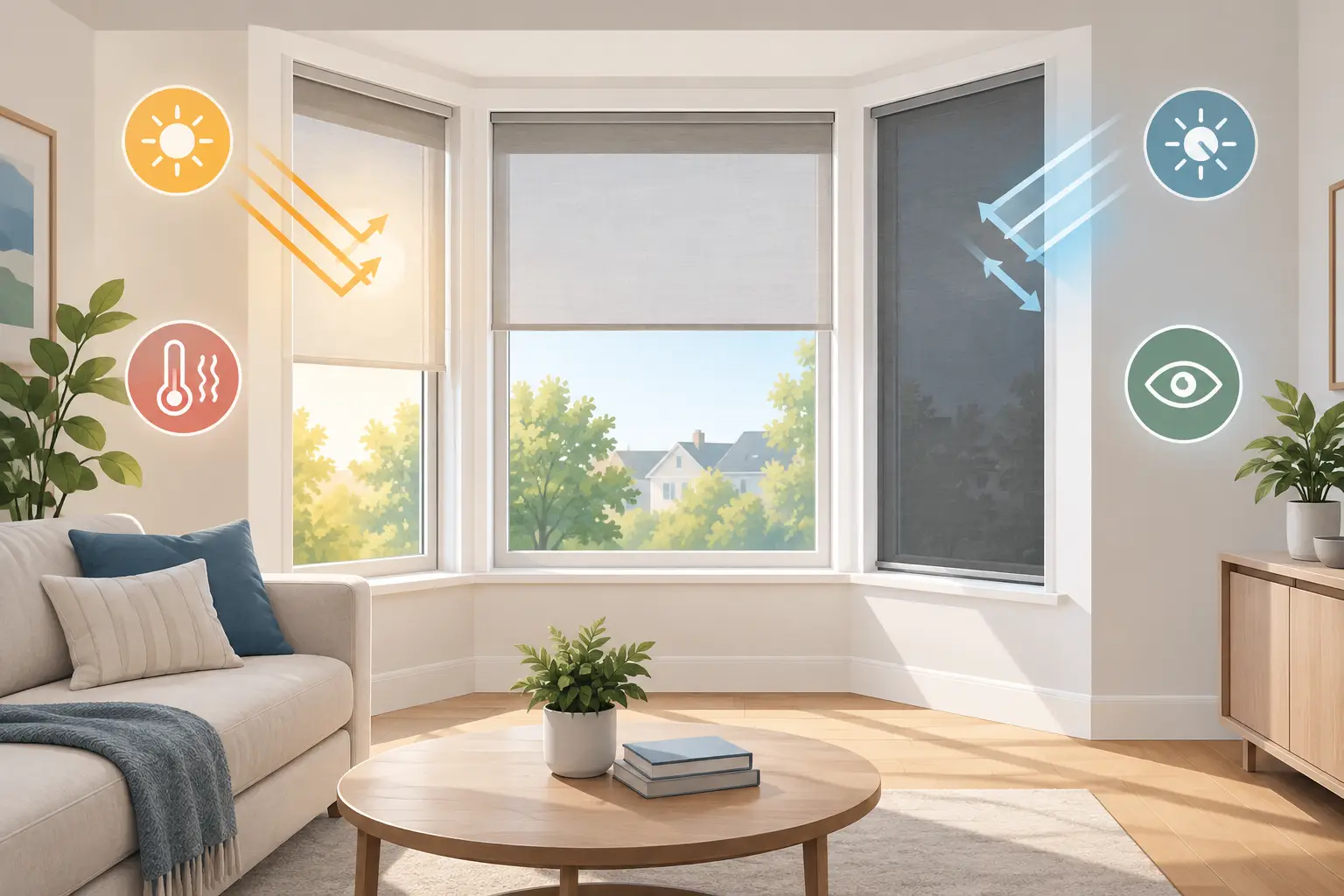
A south-facing room can look ideal on paper and still be the place nobody wants to sit by mid-afternoon. If you are dealing with hot spots, screen glare, faded furnishings or a conservatory that becomes difficult to use in summer, solar window film for homes is often a practical fix. It is designed to reduce solar heat gain, cut glare and block a high percentage of UV, without turning your rooms into dark spaces.
For many homeowners, the attraction is simple. You want the natural light, but not the discomfort that comes with too much sun through the glass. That balance is exactly where professionally installed window film performs best. Rather than replacing windows, it upgrades the glass you already have with a commercial-grade layer tailored to the room, the aspect and the problem you are trying to solve.
What solar window film for homes actually does
Solar film is applied directly to existing flat glass. Once installed, it helps manage the amount of solar energy passing through the window. In practical terms, that means less heat build-up, reduced glare on televisions and screens, and better protection for flooring, furniture and fabrics that are prone to fading.
The best films also improve daytime privacy, particularly reflective options. From outside during daylight hours, they can make it much harder to see in, while still allowing a clear outward view from inside. That makes them a strong option for front-facing lounges, garden rooms, home offices and static caravans in busy holiday parks or roadside settings.
It is not one single product with one single outcome, though. Different films are made for different priorities. Some are focused on heat rejection, some on anti-glare performance, and some on privacy with a more reflective external finish. The right result depends on the glass, the direction the window faces and how you use the room.
Why homeowners choose solar film instead of replacing glass
Full window replacement can be expensive, disruptive and often unnecessary when the main issue is solar gain rather than failed units. Solar film offers a more targeted approach. If the glass itself is sound but the room is too bright, too warm or lacking privacy, film can address those issues without major works.
That is especially relevant in conservatories and extensions with large glazed areas. These spaces often look excellent in cooler months and then become uncomfortable as soon as direct sun arrives. Professionally specified solar film can make those rooms more usable through spring and summer, while helping to reduce the strain on blinds, fans and cooling systems.
For standard homes, the appeal is usually a combination of comfort and protection. A bright living room with persistent glare can be difficult to enjoy. A bedroom that heats up too quickly in the morning can affect sleep. Timber floors and soft furnishings near glazing can show sun damage over time. Film helps across all of those points, and it does so while keeping the look of the property tidy and low-maintenance.
Where solar window film works best in a home
Not every window causes the same problem. South- and west-facing glass usually takes the brunt of heat and glare, so these areas often benefit first. Conservatories are a common candidate because of the amount of glazed surface. Bay windows, patio doors and large modern picture windows are also frequent problem areas.
Home offices are another strong use case. If you are working near a window and dealing with screen reflection for long periods, anti-glare solar film can make the room easier to use without forcing you to keep blinds shut all day. In family homes, living areas and kitchens often benefit because they are used heavily throughout the day and tend to have the largest windows.
Static caravans deserve a mention as well. They can heat up quickly in sunny weather, and privacy is often limited when neighbouring units are close by. Solar film helps reduce that exposed feeling during the day while keeping the interior brighter and more comfortable.
Heat reduction, glare control and UV protection
These are the three performance points most customers ask about, and for good reason.
Heat reduction is usually the biggest driver. Solar film can reject a significant portion of the sun’s energy before it turns into trapped interior heat. The exact result depends on the film chosen and the existing glazing, but the difference in comfort can be noticeable, particularly in rooms with prolonged direct sun.
Glare control matters just as much in day-to-day use. A room does not need to be extremely hot to feel difficult to live in. Low winter sun on a television, bright reflection on a laptop or a lounge that feels harsh in the afternoon can all make a space less practical. Film softens that effect while still allowing useful daylight through the glass.
UV protection is often the quieter benefit, but it is valuable over time. Good quality solar films can block the vast majority of harmful UV rays, helping to protect flooring, upholstery, artwork and interior finishes from fading. It will not stop all fading completely, because visible light and heat also play a part, but it can make a meaningful difference.
Privacy films and reflective finishes
A lot of homeowners ask for privacy and solar control together, and in many cases that is achievable with the same film.
Reflective solar films are one of the most effective choices for daytime privacy. They create a mirrored or semi-reflective appearance externally in daylight conditions, which reduces inward visibility. This works well for homes overlooked by neighbours, pedestrians or nearby roads, especially on front elevations and ground-floor windows.
There is a trade-off to understand. Daytime privacy is not the same as night-time privacy. Once interior lights are on and it is darker outside, the effect changes. If privacy after dark is essential, you may still need blinds or curtains. That does not make the film less useful – it simply means the product needs to be matched to real use rather than assumptions.
Appearance is another factor. Some customers like the clean, modern look of a reflective finish. Others prefer a more neutral film with less visible change from outside. A professional survey helps here because the right answer is not just about performance figures. It is also about how the property will look once the film is in place.
Why professional installation matters
Solar window film is only as good as the specification and application. Poorly matched film can underperform, alter the look of the glass more than expected or, in some cases, be unsuitable for the glazing type. Installation quality matters just as much. Dust, contamination, trimming errors and poor finishing are all avoidable with the right process.
A professional installer will assess the glass, the room orientation and the issue you want solved before recommending a product. That is particularly important with tougher environments such as conservatories, static caravans and large expanses of domestic glazing where heat build-up is more severe.
Commercial-grade films are designed for performance, but they still need to be selected properly. A one-size-fits-all approach rarely gives the best outcome across a whole property. One room may need stronger solar rejection, while another may need a lighter finish to preserve brightness. Tailored installation is what turns film from a generic product into a useful upgrade.
A practical fit for homes across North Wales and beyond
In coastal and high-exposure areas, solar gain and glare can be more than a minor annoyance. Homes in places such as Llandudno, Conwy, Prestatyn, Anglesey, Abersoch and Pwllheli often deal with strong daylight and reflected brightness, while busier residential areas across Chester, the Wirral, Manchester, Salford, Worsley and Runcorn may need privacy as much as heat control.
That is why the best approach is always site-specific. A detached home with a large rear extension has different needs from a terraced property facing a road. A static caravan in a holiday location needs a different balance again. The film should be chosen around the property, not the other way round.
If you are weighing up options, the useful question is not whether solar film works in theory. It is whether the right film is being applied to the right glass for the right reason. That is where a specialist service makes the difference. At Tinting For Glass, the focus is on commercial-grade film solutions for homes, conservatories, static caravans and other flat glass applications, installed to improve comfort, privacy and protection where they matter most.
If a room is too bright, too warm or too exposed to enjoy properly, there is usually a better answer than keeping the blinds shut.