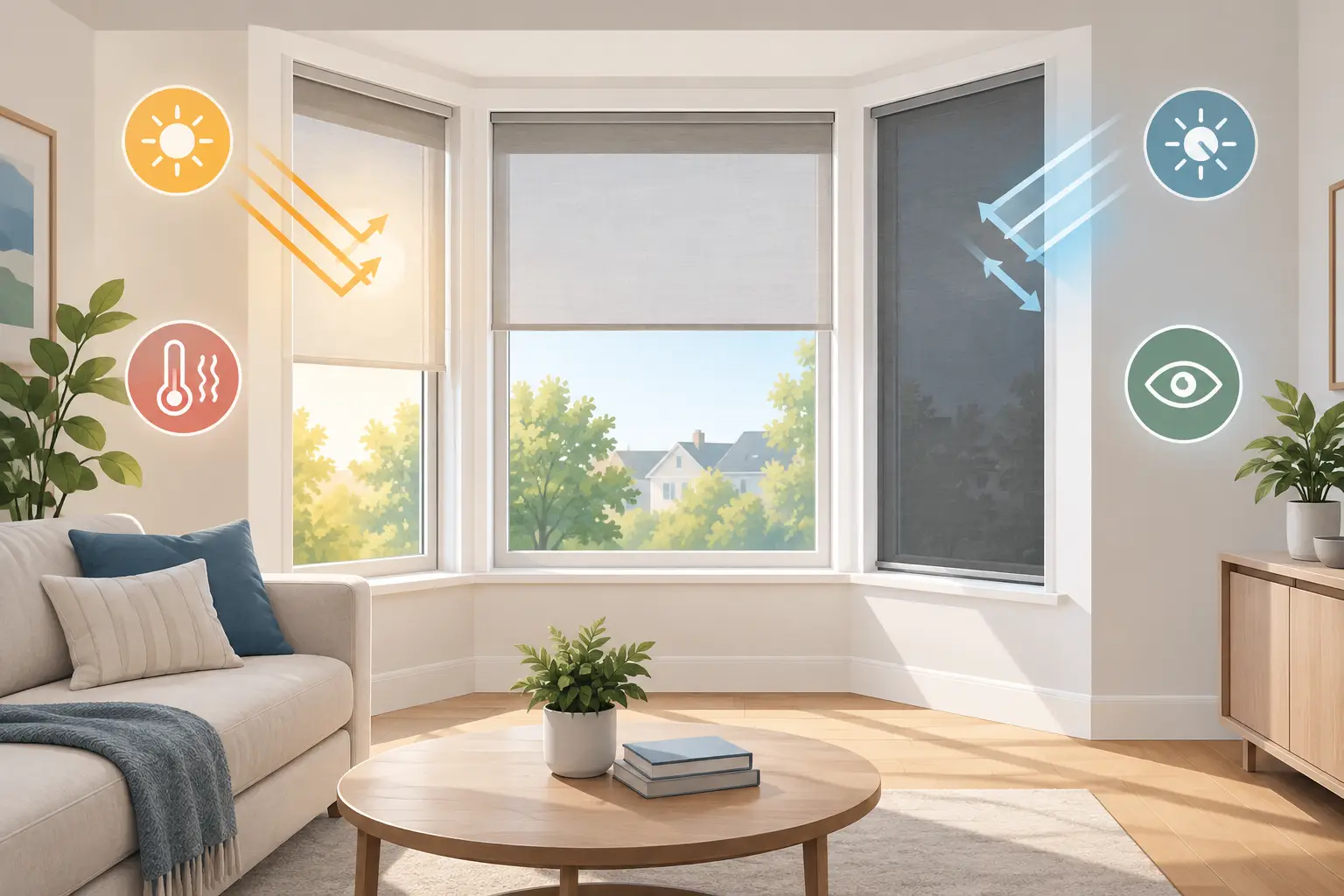
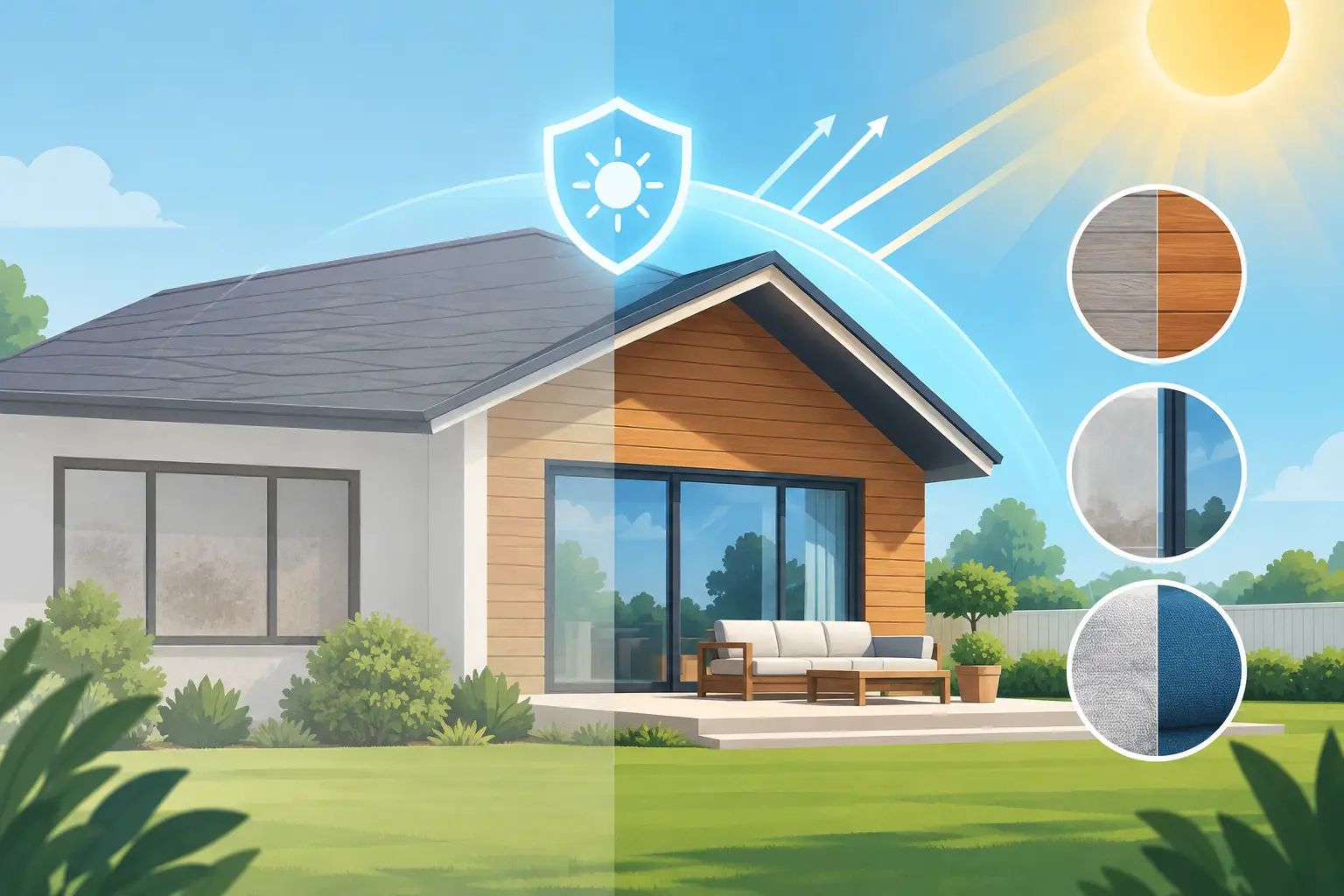
You know the pattern. The conservatory looks brilliant on the viewing, floods the house with light – and then the first warm spell arrives and the room turns into a greenhouse. Add low winter sun bouncing off glass and suddenly you are squinting at the telly, your plants scorch, and the sofa fabric starts fading far sooner than it should.
Window tinting for conservatories is a practical way to get that room back into daily use. The right film reduces heat build-up, tackles glare, improves daytime privacy and blocks UV – without turning the space into a gloomy box. The key is choosing a film based on how your conservatory is built and how you actually use it.
Why conservatories overheat (and why blinds often fall short)
A conservatory is mostly glazing. Solar energy passes through the glass easily as short-wave radiation. Once it hits floors, furniture and internal surfaces it converts to heat, and that heat struggles to escape. That is the classic conservatory problem: lots of gains, not much control.
Blinds and curtains help with glare, and they can make a space feel more comfortable, but they work after the sun has already come through the glass. You often end up closing them for long periods, which defeats the point of having a bright room. Films work at the glass – reducing the solar energy entering in the first place – so the room stays more usable without constantly managing shades.
What window film actually does on a conservatory
A commercial-grade window film is a thin, optically clear layer applied to the inside of the glass (in most domestic conservatory situations). Depending on the film type, it can:
- Reduce solar heat gain so the room feels less stifling on sunny days
- Cut glare, which is often the biggest day-to-day annoyance for dining tables, laptops and TVs
- Block the vast majority of UV, helping protect flooring, soft furnishings, artwork and décor
- Improve daytime privacy with reflective or one-way style finishes
- Add an extra layer of performance to glass that may be older, mismatched, or simply not designed for comfort
The important point is that “tint” is not one thing. Different films deliver different outcomes, and the best choice depends on orientation, glazing type, and how sensitive you are to heat versus light levels.
Choosing the right approach for window tinting for conservatories
Start with the problem you feel most
If you mainly feel the room is too hot, you need a solar control film focused on heat rejection. If you mainly struggle with harsh brightness, a film prioritising glare reduction may be the better fit. If you feel exposed to neighbours or overlooked gardens, a reflective privacy film can make the space more comfortable during the day.
Most conservatories are a mix of all three issues, but there is nearly always a primary driver. Getting that right stops you paying for a finish that looks good but does not solve the real problem.
Consider the direction the conservatory faces
South and west facing conservatories tend to take the biggest hit in summer because they receive stronger, longer sun. East facing spaces can be very bright in the morning, which is when glare becomes the main complaint. North facing conservatories often stay cooler but can still benefit from UV protection and glare control, especially if the glazing is large.
This is where a tailored recommendation matters. A film that is perfect for a west-facing roof section can be excessive on a shaded side elevation.
Check the glazing type before you choose a film
Conservatories commonly have double glazed units, sometimes with low-e coatings or self-cleaning glass. Applying the wrong film to the wrong glass can increase the risk of thermal stress and, in worst cases, contribute to glass cracking.
A professional installer will ask about the glazing, and where needed, advise a film designed for that type of unit. This is also why “DIY tint” is a gamble on conservatories – the glass area is large, the sun load is high, and the consequences of a wrong match are more than cosmetic.
Film options that suit conservatories (and the trade-offs)
Reflective solar control film
This is the option many people picture first. It has a reflective external appearance in daylight and can be very effective at reducing heat and glare. It also delivers strong daytime privacy, which is useful if your conservatory is overlooked.
The trade-off is that reflective finishes can change the look of the conservatory from outside, and they can slightly reduce visible light. At night, with internal lights on, the privacy effect reduces – you may still want a blind for evening use.
Neutral or light-tint solar control film
If you want performance without a mirror-like look, neutral films are often the best fit. They are designed to keep the glass looking more natural while still lowering heat gain and glare.
The trade-off here is simple: the more subtle the appearance, the less dramatic the privacy effect. You get comfort benefits, but you might not get the same “can’t see in” feel during the day.
Glare reduction film for screens and dining areas
Some conservatories are used as offices, homework zones or dining rooms where screen glare is the daily headache. A glare-focused film can soften the harshness and improve visibility without over-darkening the room.
The trade-off is that glare control alone will not always deliver the strongest heat rejection. If overheating is severe, you may need a higher performance solar control option.
UV protection film (clear)
If the room is comfortable enough but you want to protect flooring and furnishings, a clear UV film can be a sensible approach. It is particularly relevant if you have expensive flooring, rugs, or a space that gets steady sunlight even when temperatures are not extreme.
The trade-off is that UV films will not solve overheating on their own. They are about protection and peace of mind, not temperature control.
Conservatory roofs: what to expect
People often ask about tinting the roof panels, because that is where the sun feels most intense. Roof film can make a noticeable difference, especially on older polycarbonate or heavily exposed glass roofs.
That said, roof glazing needs careful assessment. Roof angles increase solar intensity, and some roof systems have specific design limits for added layers. A professional approach looks at the roof material, the frame condition, and the balance between reducing heat and keeping the room bright enough to enjoy.
If your conservatory feels like it heats from above, addressing the roof panels first can be the most impactful step. If it is more of a low sun and glare issue, side glazing may be the priority.
What results should you realistically expect?
A well-chosen film makes the conservatory more usable across more months of the year. You should notice less harsh brightness, less “burning” sun feeling, and a steadier internal temperature on warm days.
What it will not do is turn a conservatory into a perfectly climate-controlled extension with no other changes. Ventilation, shading, roof design and how open the conservatory is to the rest of the house all matter. For some properties, film is the main fix. For others, it is part of a wider comfort plan alongside roof blinds, improved vents or better door management.
Installation quality matters more than most people think
Conservatory glass is unforgiving. Large panels and strong light show every edge, every speck of dust, and every poor cut line. A professional installation is about finish, but it is also about performance and longevity.
A proper service includes helping you choose the correct film for your glazing type, preparing the glass correctly, installing with clean technique, and ensuring the film cures as it should. That is how you get a crisp look and consistent results across the full conservatory – not a patchwork of panels that behave differently.
If you are based across North Wales, The Wirral, Chester and surrounding areas, Solar Tint Wales installs commercial-grade conservatory films as part of its flat glass service offering – details are available at https://tintingforglass.com.
A few common questions we hear
Will tint make my conservatory too dark?
It depends on the film. High-performance solar films can reduce light a little, but many homeowners choose neutral options that keep the room bright while still cutting glare and heat. The right balance is usually found by starting with your biggest problem: heat, glare, or privacy.
Does film give privacy at night?
Reflective privacy film is most effective in daylight. At night, if the inside is brighter than outside, people may still see in. Many customers use film for daytime privacy and keep a simple blind or curtain for evenings.
Is window film safe on double glazing?
When specified correctly for the glazing type, yes. The risk comes from choosing a film that is not suitable for your glass or applying it without understanding how the unit manages heat. That is why a tailored recommendation is part of a professional service.
The conservatory should not be the room you apologise for. With the right film choice, it becomes a space you use because it is comfortable – not just because it looks good on a sunny day.