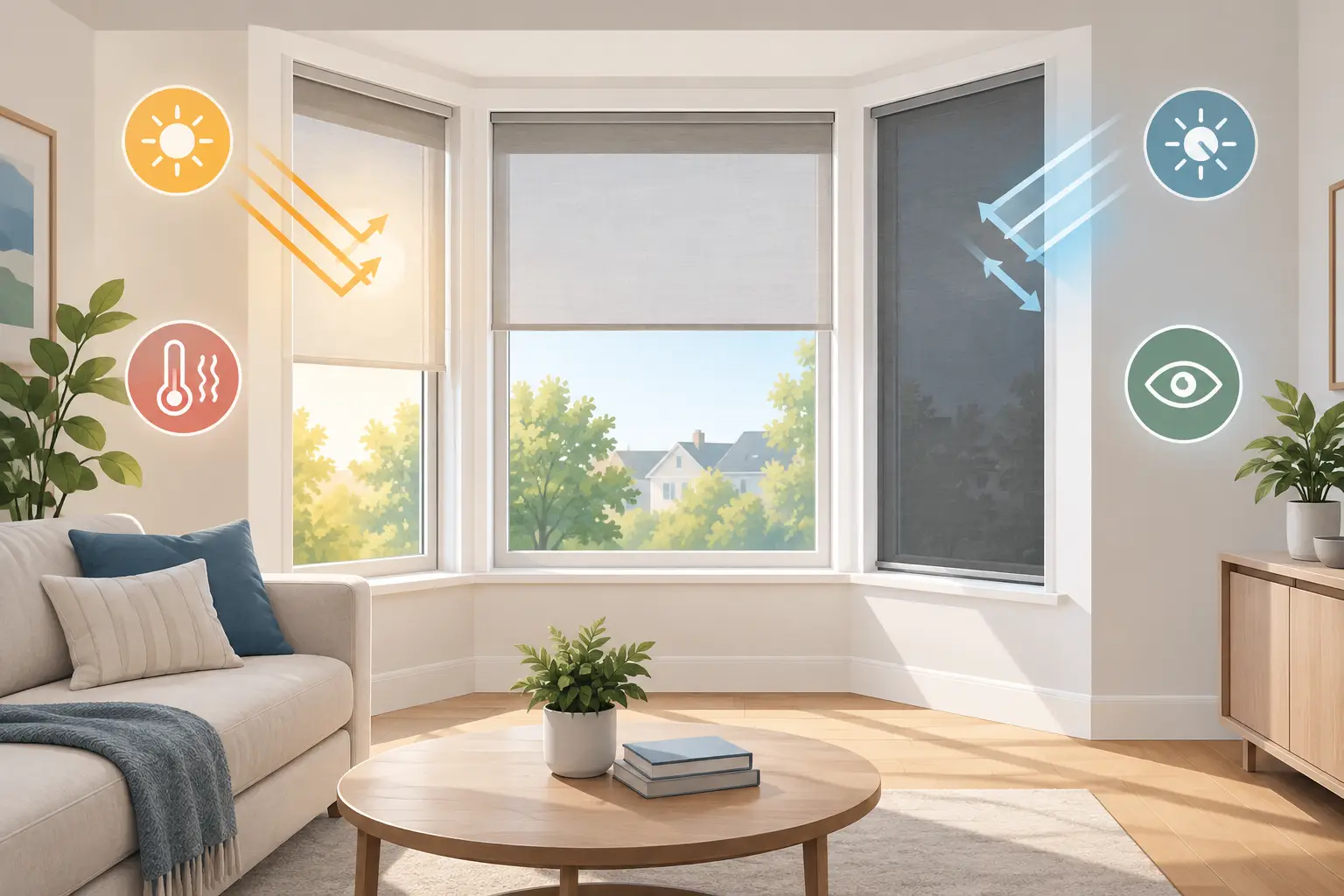
A conservatory can feel perfect at 9am and borderline unusable by lunchtime. The same glass that gives you light and garden views can also deliver harsh glare on screens, faded furnishings, and that trapped, sticky heat that makes the room a no-go in summer.
This conservatory window film buying guide is written for property owners who want practical, measurable improvements – cooler interiors, reduced glare, UV protection and daytime privacy – without turning the space into a dark box. The right film can change how often you use the room. The wrong one can leave you disappointed, especially if the main issue is roof heat gain or if you pick a finish that doesn’t suit your glazing.
Start with the job your conservatory needs to do
Before you look at shades and finishes, decide what “better” actually means in your space. Conservatories tend to suffer from a mix of issues, but usually one is the real driver.
If the room is simply too hot, you are dealing with solar heat gain. You want a film designed to reject solar energy, not just a darker tint. If glare is the main problem – for example, you can’t read, watch TV, or work because the sun hits the glass at a low angle – you need strong glare reduction, but you might not need the most reflective option.
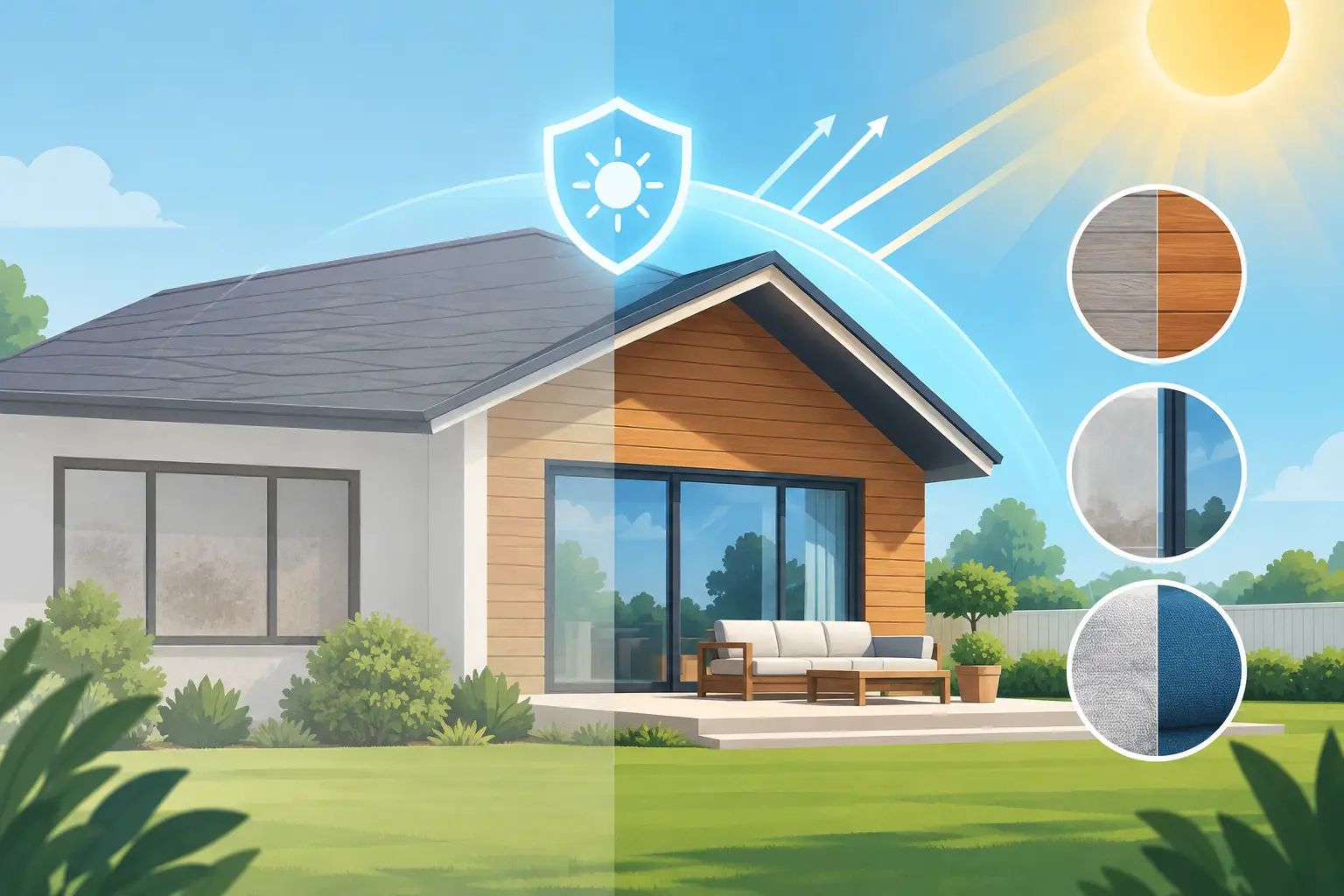
If fading is your concern, focus on UV rejection. Most commercial-grade solar and privacy films block a very high percentage of UV, but it’s still worth confirming because UV is what breaks down fabrics, flooring finishes and artwork over time. And if you feel exposed to neighbours or passers-by, you’ll be looking for daytime privacy – with the important caveat that privacy films behave differently at night.
Know which glass is causing the problem: roof, sides, or both
Many conservatory owners assume side windows are the main culprit, then wonder why a film makes only a modest difference. Heat often builds through the roof glazing because it receives the strongest sun for the longest period.
If the roof panels are the main issue, a film specified for roof glazing can have the biggest impact on comfort. If your problem is privacy or street-facing exposure, the side glass is usually the priority. In reality, plenty of installations are mixed: a stronger heat-rejection film on the roof glazing, with a slightly lighter or more neutral film on the sides to keep views clear.
The key buying point is this: treat the roof and sides as separate zones. One film choice rarely suits both perfectly.
Film types that make sense for conservatories
Conservatory films broadly sit in a few families. The names vary by manufacturer, but the performance behaviours are consistent.
Solar control films (heat reduction)
These are designed to reduce the amount of solar energy entering the room. They are the main choice for conservatories that overheat. Some do this with reflectivity, some with more neutral technology, but the aim is the same: reduce heat gain and stabilise the room temperature.
A good solar control film should also reduce glare and provide strong UV rejection, which is why it is usually the best all-round starting point.
Reflective films (strong daytime privacy and glare control)
If you want clear daytime privacy without shutting out daylight, reflective finishes are often the most effective. They give a mirrored appearance externally in the daytime and reduce harsh glare.
The trade-off is that reflection is strongest when it is brighter outside than inside. In the evening, with internal lights on, the effect can reverse. That doesn’t make reflective film a bad choice – it just means you may still want blinds or curtains at night if privacy is critical.
Neutral films (subtle appearance, balanced performance)
If you dislike a mirrored look or you have planning or aesthetic considerations, neutral films can be a better fit. They can still provide meaningful heat and glare reduction with less noticeable change to the building’s appearance.
The trade-off is that you typically get less daytime privacy than a highly reflective option.
Decorative and frosted films (privacy without “tint”)
For overlooked side panels, doors, or lower glazing, frosted and decorative films are a clean solution. They provide privacy all day and night because they obscure vision rather than relying on reflectivity.
They do not usually provide the same heat rejection as solar control films, so they are best used in specific areas rather than as a full conservatory solution if overheating is your main problem.
Safety and security films (peace of mind)
If you have low-level glazing, doors, or you want added resilience against accidental impacts, security films can help hold broken glass together. In conservatories used by families – or in static caravans with busy footfall around doors – this can be a sensible upgrade.
Security film can be combined with solar control in some specifications, but it is important not to assume all films provide meaningful impact resistance. If security is part of the brief, make it explicit.
Pick a finish based on how you actually use the room
A common mistake is choosing film by darkness alone. Darkness can reduce glare, but it is not a reliable indicator of heat rejection. Some lighter films can reject significant heat while keeping the room bright.
If your conservatory is used as a dining area or family room, most people want the space to stay light, just not blinding. In that case, a neutral or lightly reflective solar film often suits well.
If the room is an office, gym, or somewhere you need screen visibility, you may prefer stronger glare reduction. If you are overlooked, you may prioritise a more reflective finish on the side glass, while keeping the roof film lighter to avoid a gloomy feel.
For static caravans and holiday homes, daytime privacy often comes top. A reflective privacy film can allow you to see out clearly while reducing the view in from neighbouring plots during the day.
Night-time privacy: be clear about the reality
If you buy a “privacy” film expecting it to work like a one-way mirror in all conditions, you’ll be disappointed. Reflective privacy relies on outside being brighter than inside. When the sun goes down and you turn on lights, people may see in more easily.
If you need privacy at night, you have three realistic routes: pair reflective film with blinds, use frosted/decorative film on the most exposed glazing, or choose a layout-based solution (for example, frosting only lower panels while leaving upper glass clear).
The right choice depends on whether you want to keep your view, how close neighbours are, and whether the conservatory is used frequently after dark.
Compatibility checks that affect performance and longevity
Conservatories use a range of glazing types. Some are straightforward, some require careful specification.
Double glazing is common, and many films are designed for it, but certain low-emissivity or solar control glass types can react poorly with an unsuitable film. This is where professional guidance matters. A film that performs brilliantly on one pane can be the wrong choice for another, not because the film is poor quality, but because the glass build-up and coatings change how heat is absorbed and dissipated.
Roof glazing can also be polycarbonate in some conservatories. Not every film is intended for every plastic substrate, and installation technique matters. If you are unsure whether the roof is glass or polycarbonate, check first. It can change both the film options and the expected results.
Also consider condensation and cleaning. Conservatories see temperature swings. You want a film that is stable, properly installed, and easy to maintain with normal, non-abrasive cleaning.
What “commercial grade” should mean when you’re buying
Window film is not all the same. The difference shows up in optical clarity, adhesive quality, scratch resistance, and how well it holds colour over time.
A conservatory is a high-exposure environment. You want a film that can cope with strong sun, seasonal temperature changes and regular cleaning. Commercial-grade films are designed for this kind of workload. It’s not just a label – it should translate into consistent performance and a finish that still looks professional after years, not months.
DIY vs professional installation: where the risk sits
A small, flat pane can sometimes be a manageable DIY job if you are experienced and patient. Conservatories, however, introduce the two things that make DIY harder: large panels and high visibility.
Even minor installation issues become obvious in strong sunlight – tiny creases, trapped dust, or edges that don’t sit perfectly. On roof glazing, access and safe working position are also real concerns.
Professional installation is less about “making it stick” and more about getting the film specified correctly for the glazing type, cutting and finishing neatly, and ensuring the film performs as intended without avoidable failures.
If you want the simplest route to the right outcome, a supply-and-install service lets you describe the problem (too hot, too much glare, overlooked) and get a film selection that is tailored to your conservatory and how you use it.
Setting expectations: what film can and can’t do
A good film can noticeably reduce heat build-up, but it won’t turn a fully glazed room into a naturally cool extension on the hottest day of the year. Ventilation, shading and roof design still matter.
Where film shines is making the room more stable and more usable. You tend to feel the difference most in reduced glare, less harsh solar punch through the glass, and a room that stays comfortable for longer. You also get long-term protection for furnishings and finishes through UV reduction, which is often underappreciated until you see fading stop.
If you go in expecting “a bit cooler, much less glare, and better privacy by day”, you’re aligned with what film is built to deliver.
Getting the right film choice quickly
When you speak to an installer, the fastest way to get to the right specification is to describe:
- Which direction the conservatory faces and when it is worst (morning, midday, evening).
- Whether the roof, the sides, or both are the main issue.
- Whether you need daytime privacy, night-time privacy, or both.
- How you use the space (TV room, office, dining area, static caravan seating area).
If you are local to North Wales, The Wirral or Chester and you want a tailored, commercial-grade solution, Tinting For Glass (Solar Tint Wales) can advise and install conservatory films as part of its flat-glass service – details are at https://tintingforglass.com.
The best conservatory is the one you actually use. Choose film by the problem you want to solve, not the shade you happen to like, and you’ll feel the difference every time the sun hits the glass.