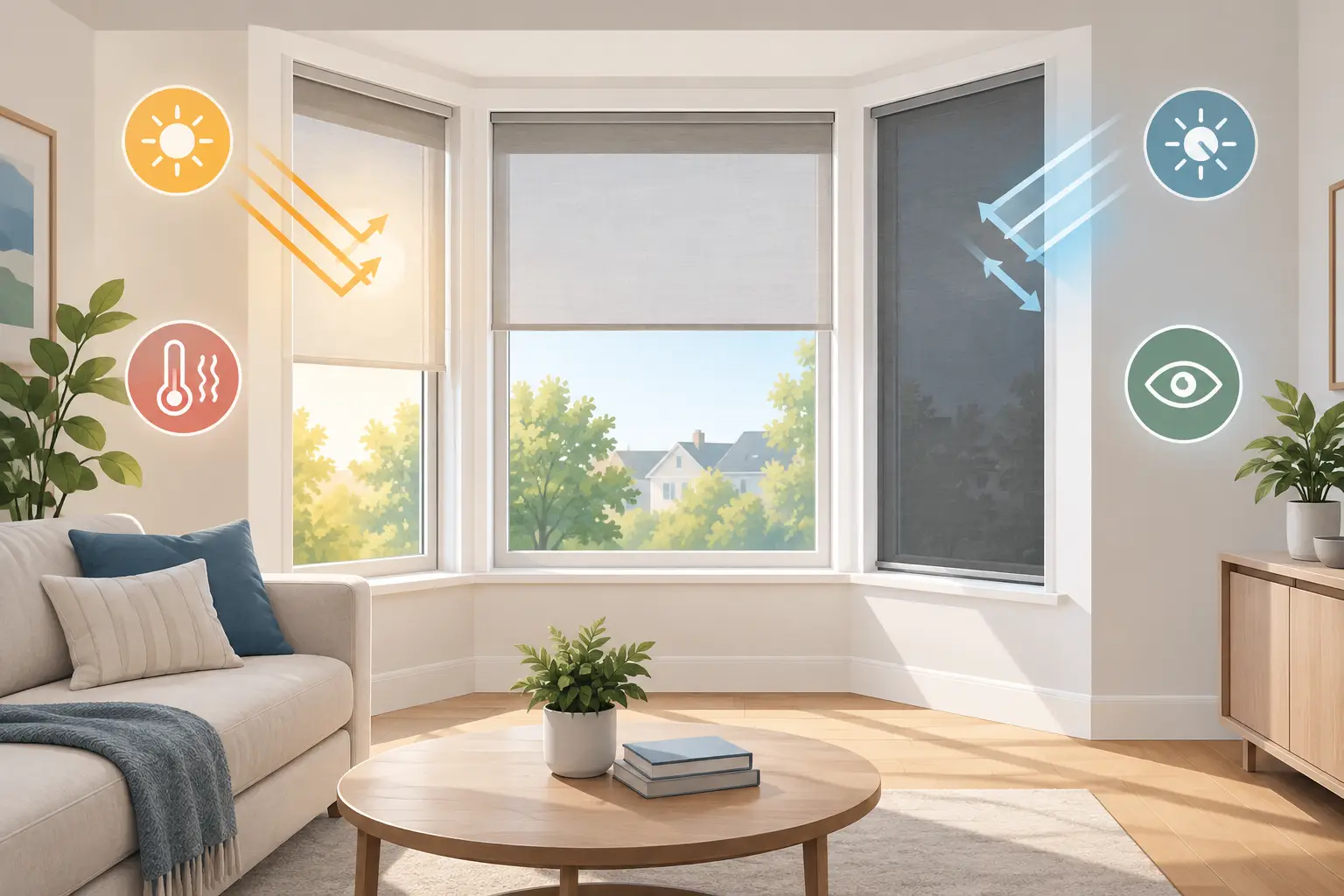
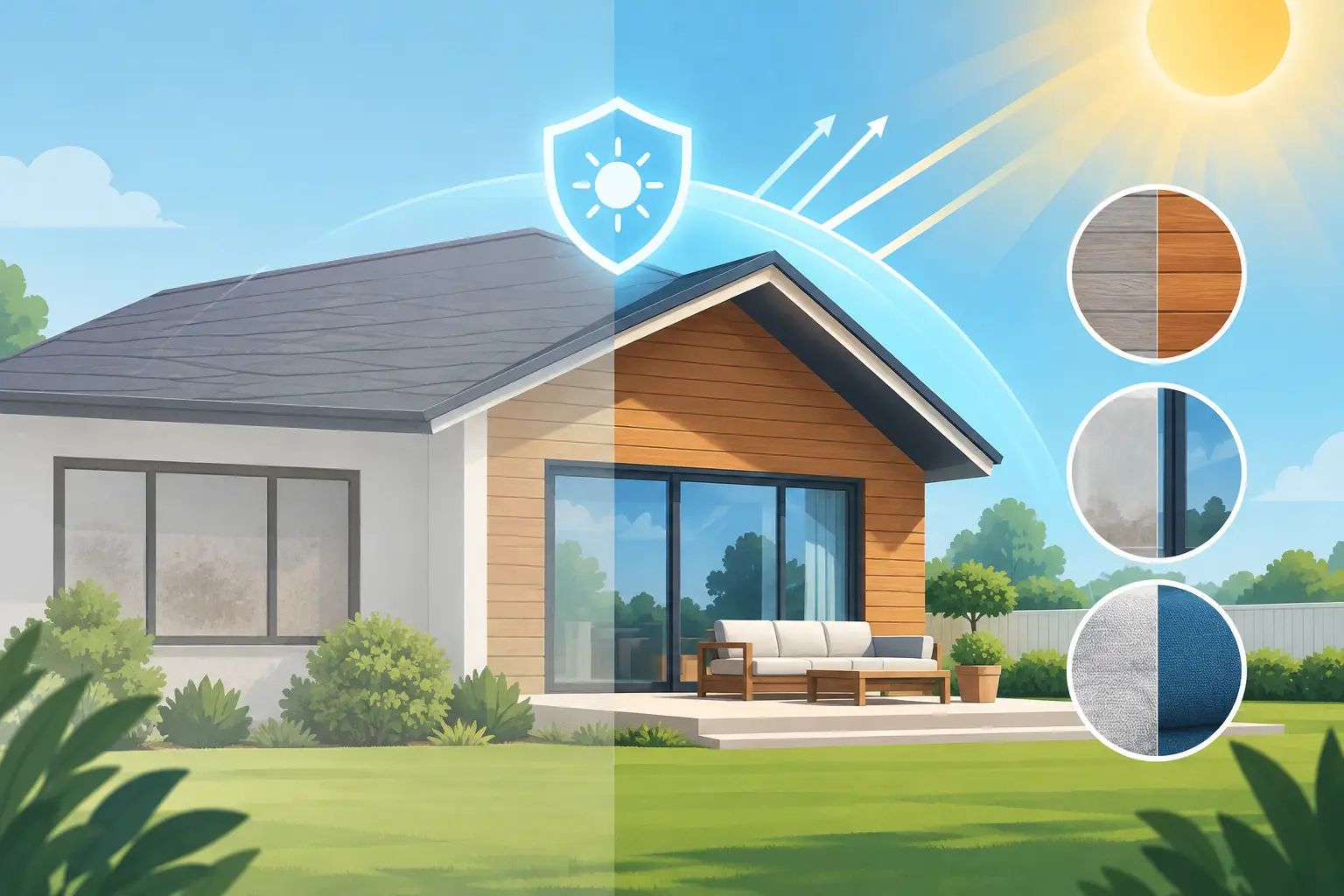
If you are weighing up solar control, privacy or anti-glare film for your home, office or static caravan, one of the first sensible questions is how long does professional window film last. The short answer is that a properly specified, professionally installed flat glass film can last anywhere from around 10 to 20 years, and sometimes longer, depending on the glass, the exposure, the film type and the quality of the installation.
That range matters because window film is not a one-size-fits-all product. A south-facing conservatory in full sun, a seafront static caravan and a shaded office elevation do not place the same demands on the film. The right answer is less about chasing the longest headline figure and more about choosing a commercial-grade film that suits the building and the job it needs to do.
How long does professional window film last in real terms?
For most residential and commercial flat glass applications, a professional window film should give many years of reliable performance before any noticeable drop-off in appearance or function. Interior films often last longer than people expect because they are protected from direct weathering. Exterior films can still perform very well, but they generally face a harder life due to rain, temperature swings, cleaning and UV exposure.
In practical terms, you may see lifespans like these:
- Interior solar and privacy films often last around 12 to 20 years
- Exterior-grade films often last around 7 to 15 years
- Specialist films, such as some security or anti-shatter products, vary depending on thickness, placement and exposure
These are realistic working ranges rather than promises that apply to every window. A high-performing reflective film on the correct glass, fitted professionally, can stay effective for a very long time. On the other hand, the wrong film on the wrong pane may fail early, even if the product itself is good.
What affects how long window film lasts?
The biggest factor is specification. Film must match the glass type, the location of the glass and the performance required. If the film is chosen simply because it is dark, mirrored or cheap, lifespan can suffer.
Sun exposure and heat load
Windows that face south or west usually take more punishment. Constant solar gain raises glass temperatures and puts more stress on both the adhesive and the film construction. That does not mean film should be avoided on sunny elevations – in fact, these are often the windows that benefit most – but it does mean the correct product matters even more.
This is particularly relevant for conservatories, garden rooms and static caravans, where internal temperatures can climb quickly in warm weather. In these settings, the film is doing hard work every day, so professional-grade products are worth it.
Internal or external application
Internal film is applied to the inside face of the glass and is shielded from wind, rain and general weathering. That usually gives it a longer service life. External film is used where glass compatibility, access or performance needs make outside installation the better option. It can be the right solution, but it will usually not last as long as an internal application simply because it is more exposed.
Film quality
There is a clear difference between commercial-grade film and low-cost material sold as a quick fix. Better films use more stable dyes, metals, adhesives and scratch-resistant coatings. They are designed to perform over time rather than just look acceptable on day one.
For property owners, this is where value sits. A cheaper film that starts bubbling, fading or discolouring early is not cheaper once replacement is factored in.
Installation standard
Even a good film can have a short life if it is fitted badly. Dust contamination, poor edge finishing, trapped moisture, incorrect pressure during application or fitting film that is unsuitable for the glazing unit can all lead to premature failure.
Professional installation improves lifespan because the film is prepared, cut and applied correctly for that specific window. It also reduces the risk of issues that tend to show up months later, not just on installation day.
Glass type and window construction
Toughened glass, double glazing, older sealed units, laminated panes and specialist coatings all influence which film can be used safely and effectively. This is especially important with solar control films, because the wrong combination can increase thermal stress.
A proper survey helps avoid that problem. It is not simply about picking a shade or finish. It is about making sure the film and the glass work together for the long term.
Signs that window film is reaching the end of its life
Most professional film does not suddenly stop working overnight. Wear tends to show gradually. You may notice bubbling, lifting at the edges, haziness, scratches that affect visibility or a purple or faded appearance on older or lower-quality films.
In some cases, performance drops before appearance becomes an obvious issue. A room may start to feel hotter than it used to, glare may be more noticeable or furnishings may get more direct UV exposure than expected. If the original problem starts creeping back, the film may no longer be delivering at full strength.
That said, minor marks do not always mean immediate replacement is needed. A professional assessment can usually tell whether the issue is cosmetic, localised or a sign that the whole film is near the end of service.
Does professional window film wear out faster in homes, offices or caravans?
It depends more on exposure than building type, but some settings are harder on film than others.
In homes, conservatories and large patio doors often see the highest heat and glare loads. In offices and shops, long elevations with regular sun exposure can test solar films, especially where comfort and screen glare control are important every day. In static caravans, coastal conditions can add extra stress, particularly if the property sees strong sun and a more exposed environment.
This is why tailored specification matters. The same answer will not suit a family home in Chester, a commercial frontage in Manchester or a holiday caravan on the North Wales coast. The goal is always to match the product to the use-case, not force one film across every property type.
Can you make window film last longer?
Yes, within reason. Lifespan starts with choosing the correct film and having it installed properly, but aftercare also plays a part.
Gentle cleaning helps. Harsh abrasives, blades and aggressive chemicals can damage the surface coating over time. Most films respond well to normal non-abrasive cleaning methods once they have fully cured. It also helps to avoid picking at edges or applying stickers and adhesives over the film unless it is designed for that use.
Still, care only goes so far. If a window has extreme sun exposure or the film is already ageing, maintenance will not turn a worn product into a new one. It can simply help preserve a sound installation for longer.
Is replacement difficult when film reaches the end of its life?
Professional removal and replacement is usually straightforward, although older film can take more labour if the adhesive has hardened over time. In most cases, the existing film can be removed, the glass cleaned back and a new product installed to suit current needs.
That can be useful if your priorities have changed. Some customers start with glare reduction and later want stronger daytime privacy. Others replace older film with a more modern solar control product that offers better clarity and heat rejection.
Why installation quality matters as much as the product
When customers ask about lifespan, they are often really asking whether the film will be reliable enough to justify the investment. That is where professional installation earns its keep.
A proper installer does not just apply film neatly. They assess the glass, understand the exposure, recommend a suitable commercial-grade product and fit it in a way that protects both appearance and long-term performance. That matters whether the job is a home, office, shopfront, conservatory or static caravan.
For flat glass applications, the best results usually come from treating window film as a performance product rather than a cosmetic add-on. If it is selected properly, fitted correctly and matched to the building, you can reasonably expect many years of service.
If you are comparing options for your property, the useful question is not only how long does professional window film last, but how well will it perform over that time. A film that keeps rooms cooler, cuts glare, protects interiors and maintains a clean finish year after year is the one worth fitting in the first place.