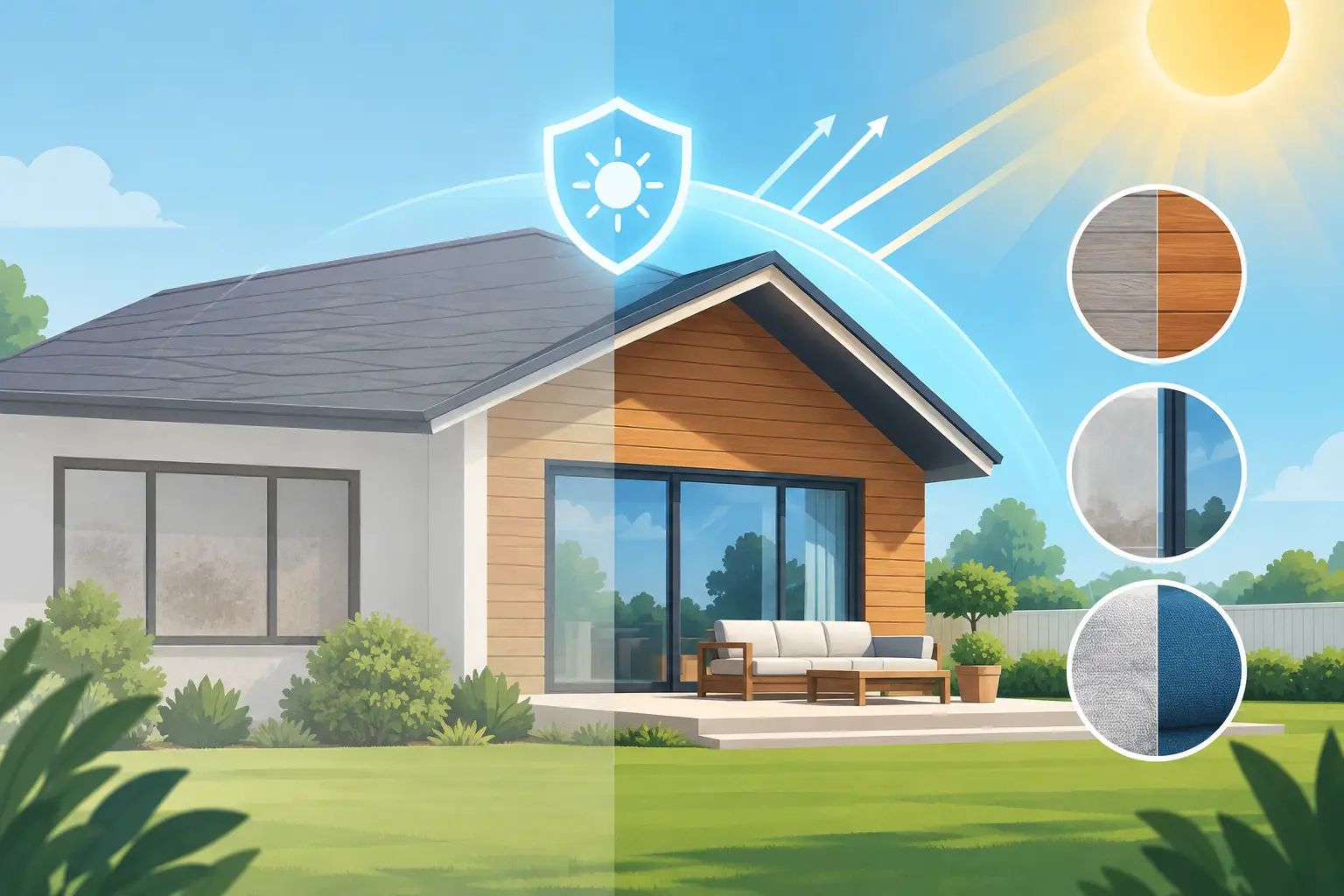
A sun-facing window can quietly cost a shop money. Garments lose depth, printed signage starts to wash out, packaging fades unevenly, and display materials age faster than they should. That is why window film for shop display fading protection is not just a cosmetic upgrade – it is a practical way to protect stock, preserve presentation, and keep a retail space working as it should.
For many shop owners, the first sign of a problem is inconsistency. One side of a display looks fresh, while the items closest to the glass appear tired after only a few weeks. In boutiques, salons, showrooms and high street units, that kind of uneven wear affects how customers read the quality of the business. If the display looks sun-damaged, the whole premises can feel neglected, even when the products themselves are still perfectly saleable.
How window film for shop display fading protection works
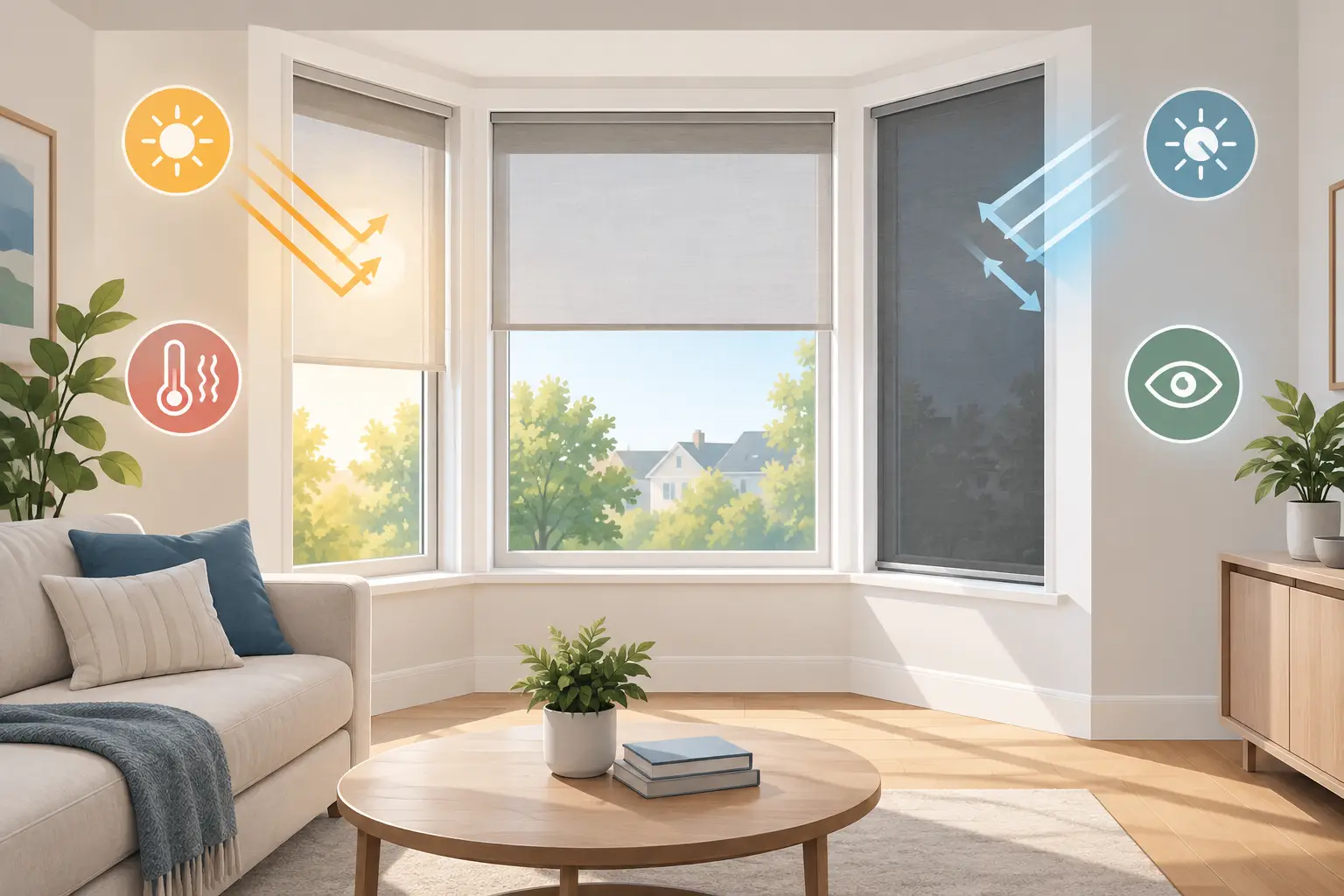
Fading is usually blamed on sunlight in general, but the real issue is a combination of ultraviolet light, visible light and solar heat. UV is one of the biggest causes of discolouration and material breakdown, but it is not the only one. Heat and intense daylight also contribute to the slow bleaching of fabrics, printed materials, wood finishes and plastics.
Commercial-grade window film helps by reducing the amount of harmful radiation and solar energy passing through the glass. Depending on the film selected, it can reject a high percentage of UV, cut glare, and reduce solar heat gain without forcing you to block out natural light completely. That balance matters in retail. You want protection, but you also want a window that still sells.
A professionally specified film is designed around the way the shop actually operates. A south-facing frontage with direct afternoon sun needs a different approach from a shaded unit where glare is the bigger issue. The right solution depends on orientation, glass type, internal layout, and what you are displaying near the window.
Why fading protection matters in retail spaces
Retail presentation is part of the product. Even if you rotate stock regularly, repeated exposure to sunlight can shorten the usable life of display items, promotional graphics, mannequins, flooring and fittings. Over time, those replacement costs add up.
There is also the issue of waste. If boxed products, sample books, furniture fabrics or featured items fade before they are sold, margins are affected. In premium retail environments, appearance is tied directly to perceived value. Customers notice when colours look dulled or when one item appears older than another from the same range.
For shops with large glazed frontages, the problem can spread beyond the display itself. Counters, flooring, wall graphics and seating near the window can all show sun damage. Window film gives you a way to manage that exposure without changing the layout of the premises or covering the glass with heavy internal blinds that reduce visibility from outside.
It is not only about UV
This is where expectations need to be realistic. No film can promise to stop fading completely, because fading has multiple causes. Product dyes, direct sunlight, heat levels, material quality and even indoor lighting all play a part. What good film can do is slow the process significantly by reducing the main contributors.
That distinction matters because it leads to better decisions. If your display contains delicate fabrics, printed papers or coloured packaging placed directly against the glass, film will help, but display planning still matters. A better result usually comes from combining the right film with sensible stock positioning and regular rotation.
Choosing the right film for a shop front
There is no single best film for every retail premises. The right option depends on what matters most: maximum fading protection, reduced glare, a more reflective external appearance, or a clearer neutral finish that keeps the frontage looking unchanged.
Clear UV-rejecting films are often a good fit where maintaining the original look of the glazing is important. They can provide strong UV protection with minimal visual change. These are useful for shops that rely on a bright, open frontage and do not want a noticeably tinted appearance.
Solar control films are more suitable where heat and glare are part of the problem as well. These films can reduce internal temperature build-up and make the window area more comfortable for staff and customers. In many shops, that makes the space easier to use throughout the day, especially in summer or in units with long periods of direct sun.
Reflective films can be effective for stronger solar performance and daytime privacy, but they are not right for every retail setting. Some businesses like the sharper, more professional external finish. Others prefer a softer, less obvious look so the products remain the main visual focus. It depends on the style of the premises and how you use the glazing for merchandising.
Practical trade-offs to consider
Higher solar rejection often means a darker or more reflective appearance. That can be a benefit if glare and heat are severe, but in some shop fronts it may slightly change how the display is viewed from outside. On the other hand, a very clear film may preserve the visual look of the glass while offering less control over heat and glare.
This is why a tailored recommendation matters. The best result is usually not the darkest film or the most reflective one. It is the film that solves the real issue without creating a new one.
Professional installation makes a difference
Shop windows are highly visible, so finish quality matters. Poorly fitted film with dust, lifting edges or uneven application will be obvious to passing customers. In a commercial setting, that can undermine the professional appearance you are trying to protect.
Professional installation ensures the film is matched properly to the existing glass and fitted cleanly for a consistent finish. It also reduces the risk of choosing an unsuitable product for toughened glass, double glazing, or large glazed panels. A shop front is not the place for guesswork.
There is also the benefit of getting the specification right first time. A specialist installer will look at the orientation of the premises, the depth of the display area, and whether the priority is preserving stock, improving comfort, reducing glare, or all three. That avoids over-specifying where a lighter film would do the job, or under-specifying where stronger performance is needed.
Where shop display fading protection delivers the best value
The return is often clearest in businesses where colour, finish and presentation are central to sales. Clothing shops, furniture showrooms, salons, gift shops, estate agent windows, travel agents, pharmacies and jewellers can all benefit from better solar control at the glass.
It also makes sense for businesses that rely heavily on printed window graphics or promotional displays. If posters and branded materials need frequent replacement because of bleaching and sun exposure, film can help them stay presentable for longer.
For some premises, the value goes beyond display preservation. Lower glare can make internal screens easier to read. Reduced solar heat can make the front of the shop more comfortable for staff. A more controlled interior can also support air conditioning performance, which is useful in larger glazed units trying to keep temperatures stable during warmer months.
A local, tailored approach works best
Across North Wales, Chester, the Wirral and surrounding areas, retail premises vary widely. Some have full-height glazing on exposed streets. Others are in older units with patchy sun at certain times of day. The right answer is rarely off-the-shelf.
That is why a measured, application-led approach works best. A specialist such as Tinting For Glass can assess the frontage, explain the likely performance of different films, and recommend a commercial-grade option that protects displays without compromising the look of the premises. For shop owners and property managers, that means less trial and error and more confidence that the installation will actually solve the problem.
If your window display is fading faster than it should, the glass is doing more than letting light in. A well-chosen film gives you back control, so your shop front keeps working for the business instead of against it.