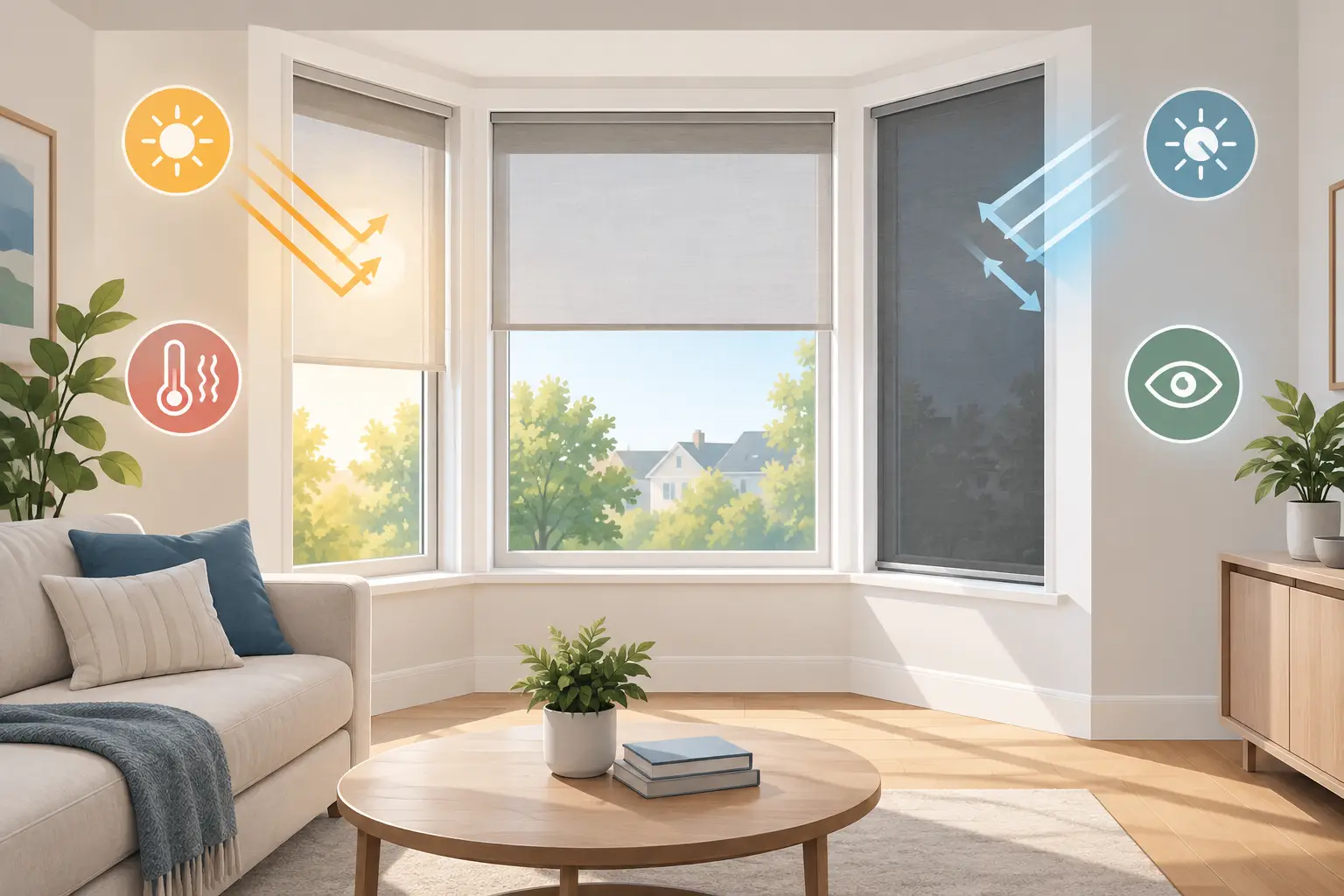
A bright room can quickly become the one nobody wants to sit in. The glare is harsh, the temperature climbs by lunchtime, and furniture near the glass starts to show the effect of sun exposure. That is usually when people start asking what rooms benefit from window film, and the answer is broader than many expect. Any space with excess sun, poor privacy, or uncomfortable glare can be improved with the right commercial-grade film.
Window film is not a one-size-fits-all product. The room, the direction of the glass, how the space is used, and what matters most to you affect the best choice for you. In some rooms, heat reduction is the main issue. In others, it is daytime privacy, UV protection, or making screens easier to use.
What rooms benefit from window film in a home?
The rooms that benefit most are usually the ones with the most glass or the most direct sunlight. Conservatories are an obvious example, but they are far from the only one.
Living rooms often see the biggest day-to-day improvement. Large patio doors, wide front windows, and south-facing glazing can make a room feel too warm in summer and difficult to use when sunlight hits a television screen. A professionally installed solar film can cut glare and heat gain while still allowing in natural light. That matters because most homeowners do not want a room darkened to solve a comfort problem.
Kitchens and dining rooms are also strong candidates. These spaces tend to have large windows, bifold doors, or glazed extensions that bring in useful daylight but can create uncomfortable heat during the warmer months. If the room is used throughout the day, the build-up of glare and solar gain becomes harder to ignore. Window film helps keep the space more consistent and comfortable, especially in open-plan areas where there is no easy way to escape the sun.
Bedrooms benefit in a slightly different way. Heat control is still valuable, particularly in upper rooms that warm up quickly, but privacy is often just as important. If a bedroom window faces neighbouring properties or a road, a reflective or privacy-focused film can provide daytime privacy without the closed-in feel of keeping blinds shut. It is worth noting the daytime point here. Standard reflective films are highly effective in daylight, but at night, when lights are on inside, curtains or blinds are still needed.
Bathrooms can benefit too, especially where privacy is the priority. Obscure or frosted-style film is a practical choice for bathroom glazing because it allows light through while screening the view. This can work well on overlooked side windows, lower-level glazing, or shower room glass where a more permanent privacy solution is wanted.
Conservatories and glazed extensions
If there is one area where the improvement is usually immediate, it is the conservatory. These spaces are built for light, but that often brings too much heat in summer and strong glare for much of the day. Furniture, flooring, and soft furnishings are also more exposed to UV, which can lead to fading over time.
A suitable solar control film helps make the room usable for longer periods of the day and across more of the year. It will not turn a heavily glazed conservatory into a perfectly temperature-controlled room in every condition, because glass area and ventilation still matter, but it can make a major difference to comfort. For many households, that means the conservatory becomes a room they actually use rather than one they avoid when the sun is strong.
Glazed extensions create similar problems. Roof lanterns, sliding doors, and full-height glass can look excellent while creating hot spots, glare on screens, and faded finishes. In these settings, the best result usually comes from choosing film based on the room’s orientation and how you use it, rather than simply picking the darkest finish.
What rooms benefit from window film in static caravans?
Static caravans are one of the clearest use cases for window film. Large windows are part of the appeal, especially in coastal and holiday locations, but they can also lead to excessive heat, limited privacy, and a noticeable amount of glare.
The lounge area is normally the first room caravan owners want to improve. It is the main shared space, often fronted by large windows, and it can become uncomfortable very quickly on bright days. Solar and reflective films help reduce heat build-up while making the space feel more private during the day.
Dining areas and sleeping areas can also benefit, especially on sites where caravans are close together. Daytime privacy becomes a practical issue, not just a preference. Window film allows occupants to keep the brighter, open feel of the caravan without feeling too exposed.
UV protection is especially useful in caravans as well. Interiors are compact, so furnishings and finishes are often close to the glazing. A good film helps protect fabrics, surfaces, and flooring from prolonged sun exposure.
Offices and meeting rooms
Commercial properties often feel the benefit of window film very quickly because the problems are measurable. Staff complain about glare on screens, rooms get too warm in the afternoon, and cooling systems work harder than they should.
Open-plan offices with broad external glazing are ideal candidates for solar film. The aim is not only to improve comfort but also to make the space easier to work in. Reducing screen glare can help staff concentrate, and lowering solar gain can make temperatures more stable across the office. In some buildings, one side of the office can be noticeably warmer than the other. Film helps reduce that imbalance.
Meeting rooms benefit for similar reasons. Presentation screens, laptops, and video calls all suffer when direct sunlight hits the room. Add poor temperature control and the room becomes harder to use, especially in summer. A properly specified film can improve visibility and comfort without making the room feel shut off from daylight.
There is also the appearance of the building to consider. Reflective and specialist films can give commercial premises a cleaner, more uniform external look, which may be useful for offices, clinics, or professional service buildings. That said, the right finish depends on the property. A highly reflective look may suit one elevation and not another.
Shops, salons and customer-facing spaces
Retail and customer-facing premises often benefit from a mix of glare control, UV reduction, and comfort. Shopfront glazing brings visibility from outside, but it also exposes staff, displays, and products to direct sunlight.
Window film can help stop products fading, make interiors more comfortable for staff, and reduce the harsh glare that sometimes makes displays difficult to see clearly. Salons, waiting areas, and reception spaces often use film to improve daytime privacy as well, particularly where clients are close to the window line.
This is one of those cases where balance matters. If display visibility is essential, the film has to be selected carefully so you improve comfort without losing the openness that supports footfall and presentation.
Rooms with expensive furnishings or finishes
Sometimes the room itself is not overly hot or uncomfortable, but the contents need protection. Rooms with timber flooring, rugs, artwork, sofas, blinds, or fitted furniture near the windows are good candidates for UV-reducing film.
Sun damage is gradual, which is why it is often overlooked until fading becomes obvious. By that stage, the effect can be uneven and difficult to reverse. Film helps reduce UV exposure and supports the long-term appearance of interior finishes. It is particularly useful in bright sitting rooms, garden rooms, showrooms, and holiday properties that may sit closed up in strong sun for parts of the year.
When window film may be less necessary
Not every room needs it. A north-facing room with limited direct sun may not see enough benefit from solar control film to justify the installation. Likewise, if privacy is already well handled by the position of the property, the gain may be smaller.
There are also cases where expectations need to be realistic. Window film reduces heat and glare, but it does not replace ventilation, shading, or proper building design. In a very hot glass-heavy room, film is often a strong part of the solution rather than the whole solution.
This is why a tailored approach matters. The right film for a conservatory may not be right for a front office, and the best privacy option for a bathroom is different from the best anti-glare option for a lounge. A professional assessment looks at the glass, the use of the room, and the outcome you actually want.
Choosing the right room first
If you are deciding where to start, focus on the room that causes the most frustration. That is usually the space where you close blinds every afternoon, struggle to watch a screen, notice fading near the window, or feel overlooked despite wanting to keep the daylight.
For homes, that is often a living room, kitchen, bedroom, or conservatory. For static caravans, it is usually the lounge and front-facing windows. For commercial premises, offices, meeting rooms, reception areas, and shopfronts tend to see the clearest return in comfort and usability.
At Tinting For Glass, the job is not to fit a generic product and hope for the best. It is to match the film to the room, the property, and the result you need. If a space is too hot, too exposed, too glaring, or too vulnerable to UV, there is a good chance window film can make it more comfortable, more practical, and easier to use every day. The best room to treat first is usually the one you have already started avoiding.