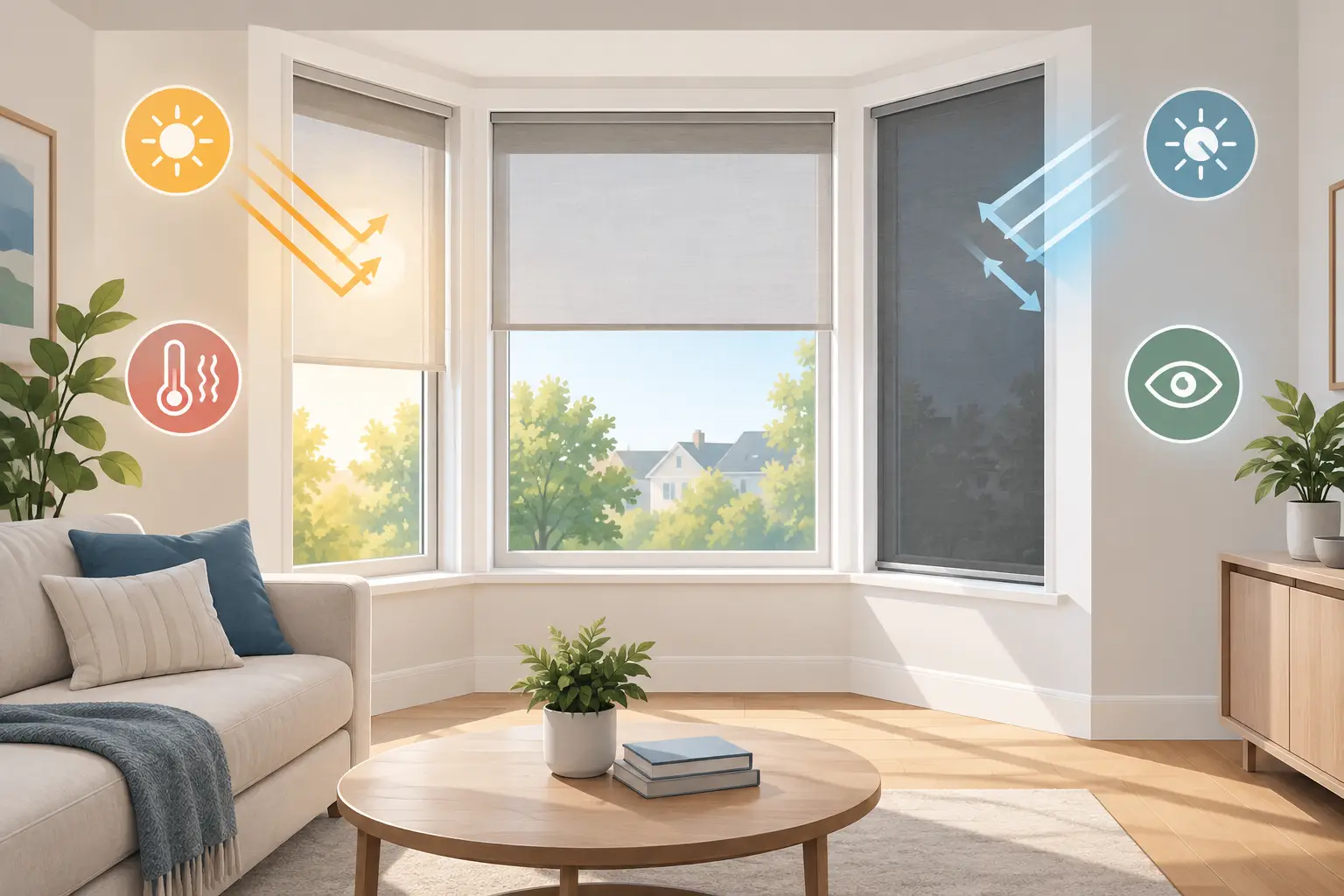
A meeting room that turns into a greenhouse by 2pm is not just uncomfortable. It affects concentration, screen visibility and how usable that space really is. The same goes for shopfronts with harsh afternoon glare, offices where staff keep closing blinds, and reception areas where sunlight fades flooring and furniture faster than expected.
Commercial window tinting is usually chosen for a practical reason. A building gets too hot, too bright, too exposed or too difficult to work in. The right film addresses those issues without major disruption, and without the cost of changing glazing throughout the property.
What commercial window tinting actually does
At its core, commercial window tinting is a performance upgrade for existing glass. It is designed to reduce solar heat gain, cut glare, block a high proportion of UV rays and, depending on the film selected, increase daytime privacy or improve the external appearance of the building.
That matters in commercial settings because glass creates both benefits and problems. Natural light helps a space feel open and professional, but untreated glazing can also lead to overheating, eye strain, faded interiors and inconsistent temperatures across different parts of the building. Window film helps balance those trade-offs.
Not every premises needs the same result. An office may need anti-glare performance for screens, while a retail unit may care more about comfort near the front windows and protecting stock from UV exposure. A healthcare setting may place more value on privacy, and a school or public-facing building may want a combination of solar control and security film. The starting point is always the use of the space.
Why businesses choose commercial window tinting
The most common reason is comfort. Rooms with large south- or west-facing windows often become difficult to use during warmer months, particularly in the afternoon. Air conditioning can help, but if the sun is constantly heating the glass, the system has to work harder and costs rise with it.
Glare is a close second. In offices, glare on monitors affects productivity and makes workstations awkward to position. In showrooms and shops, it can interfere with displays and create an unpleasant customer experience. Blinds solve part of the problem, but they also cut daylight and make interiors feel closed off. A well-chosen film reduces glare while keeping the space bright.
UV protection is another major benefit that is often underestimated until damage is already visible. Flooring, furniture, soft furnishings, display materials and finishes all degrade over time when exposed to direct sunlight. Film helps slow that process down, which makes a difference in spaces where appearance matters and replacement costs add up.
Then there is privacy. Reflective and privacy films can reduce visibility from outside during the day while maintaining outward views from inside. That suits offices, clinics, customer-facing premises and ground-floor spaces that feel exposed. It is worth being clear, though – daytime privacy is not the same as full privacy at night. When interior lights are on and it is darker outside, visibility conditions change. In those cases, a different film type or an added privacy measure may be needed.
Choosing the right film depends on the building
This is where many people assume window tinting is all the same. It is not. The correct film depends on the glass specification, the orientation of the windows, the building use and the outcome you want from the installation.
Solar control films are often the right fit for premises that suffer from excess heat and glare. These films are designed to reject a proportion of solar energy before it builds up indoors. Reflective films are commonly used where daytime privacy is also a priority, while more neutral films can improve comfort without changing the appearance of the glazing too dramatically.
Some commercial premises want the performance benefit without a mirrored finish. Others prefer a more reflective look because it supports privacy and gives the building a cleaner, more uniform appearance from the outside. Neither option is automatically better. It depends on planning considerations, brand appearance and how visible the interior needs to be.
Security and safety can also enter the conversation. In some settings, glass needs to do more than control sunlight. Security films can help hold shattered glass together, adding protection against accidental impact, vandalism or forced entry attempts. That is a different requirement from solar control, though some properties benefit from a combined approach.
The practical gains for offices, shops and shared spaces
For office managers and facilities teams, the value of commercial window tinting often shows up in day-to-day usability. Staff stop moving desks to avoid glare. Meeting rooms remain comfortable for longer. Blinds stay open more often, so natural light is still available without the usual downsides.
For retail spaces, it is often about customer comfort and protecting the fit-out. Harsh sunlight at the front of a shop can create hot spots, wash out displays and affect how long customers want to stay. Film can help stabilise the environment while preserving the open feel that storefront glass is meant to create.
In reception areas, schools, clinics and public buildings, film can improve comfort while also supporting privacy and a more professional presentation. It is a relatively straightforward upgrade that changes how the space functions without changing its layout.
There can also be an energy efficiency benefit, but it should be looked at realistically. Film can reduce solar heat gain and help lessen the load on cooling systems, especially in heavily glazed areas. The exact saving depends on the building, how it is used and what systems are already in place. It is better to think of it as part of a broader building comfort strategy rather than a single fix for every energy issue.
What to expect from professional installation
Commercial film only performs properly when it is matched to the glass and fitted correctly. That is why a professional assessment matters. Glass type, pane size, location and existing conditions all affect what can be installed safely and effectively.
Installation itself is usually much less disruptive than people expect. In most cases, the film is applied to the internal face of the glass, with minimal interruption to normal use of the premises. Timing can often be arranged around trading hours, office occupancy or operational needs.
A tailored approach matters here. A large office with mixed elevations may not need one film throughout. The windows taking the strongest sun exposure may require a different solution from those in shaded or customer-facing areas. Treating the whole building the same can lead to compromises that are easy to avoid with proper specification.
Local service matters more than people think
For commercial properties, response time and site understanding are important. A supplier that works across North Wales, The Wirral, Chester, Manchester, Salford, Worsley and Runcorn is used to the local mix of offices, retail units, schools, holiday properties and coastal sites. That helps when recommending films for different building types and exposures.
It also means customers can get to the right solution quickly. Instead of sorting through generic products, property owners and managers can discuss the actual issue – too much glare, too much heat, poor daytime privacy, fading interiors – and get a film recommendation that matches the building.
At Tinting For Glass, that is the focus: commercial-grade window films supplied and installed for flat glass applications, with solutions tailored around privacy, anti-glare performance, UV protection and solar control.
When commercial window tinting is the right fit
If a building already has decent glazing but the internal environment still feels too bright, too hot or too exposed, film is often a sensible next step. It is far more practical than replacing windows, and it can usually be completed with less cost and disruption.
That said, expectations should be realistic. Window film improves performance, but it is not magic. A poorly ventilated space with major heat build-up may still need broader building adjustments. Privacy films also work differently by day and night. Good advice upfront is what prevents disappointment later.
The best results come from treating commercial window tinting as a building performance decision, not a cosmetic extra. When the specification is right, the change is immediate and noticeable. Spaces feel calmer, cooler and easier to use, which is exactly what most customers want from the start.
If your premises is losing comfort every time the sun comes round, the glass may be the issue. The right film can make that space work properly again without blocking the light that made it attractive in the first place.