A conservatory that looks bright and usable in April can turn into a greenhouse by July. That is usually the point where homeowners start searching for a conservatory solar film review UK-wide – not because they want a gadget, but because they want the room back.
Solar film can make a real difference in conservatories, but results depend on the glass, the orientation of the room, and the type of film installed. Some films are excellent for glare and daytime comfort. Some are better for reducing heat build-up. Others mainly improve privacy or cut UV. If you are expecting one product to solve every issue completely, that is where disappointment tends to start.
Conservatory solar film review UK – does it actually work?
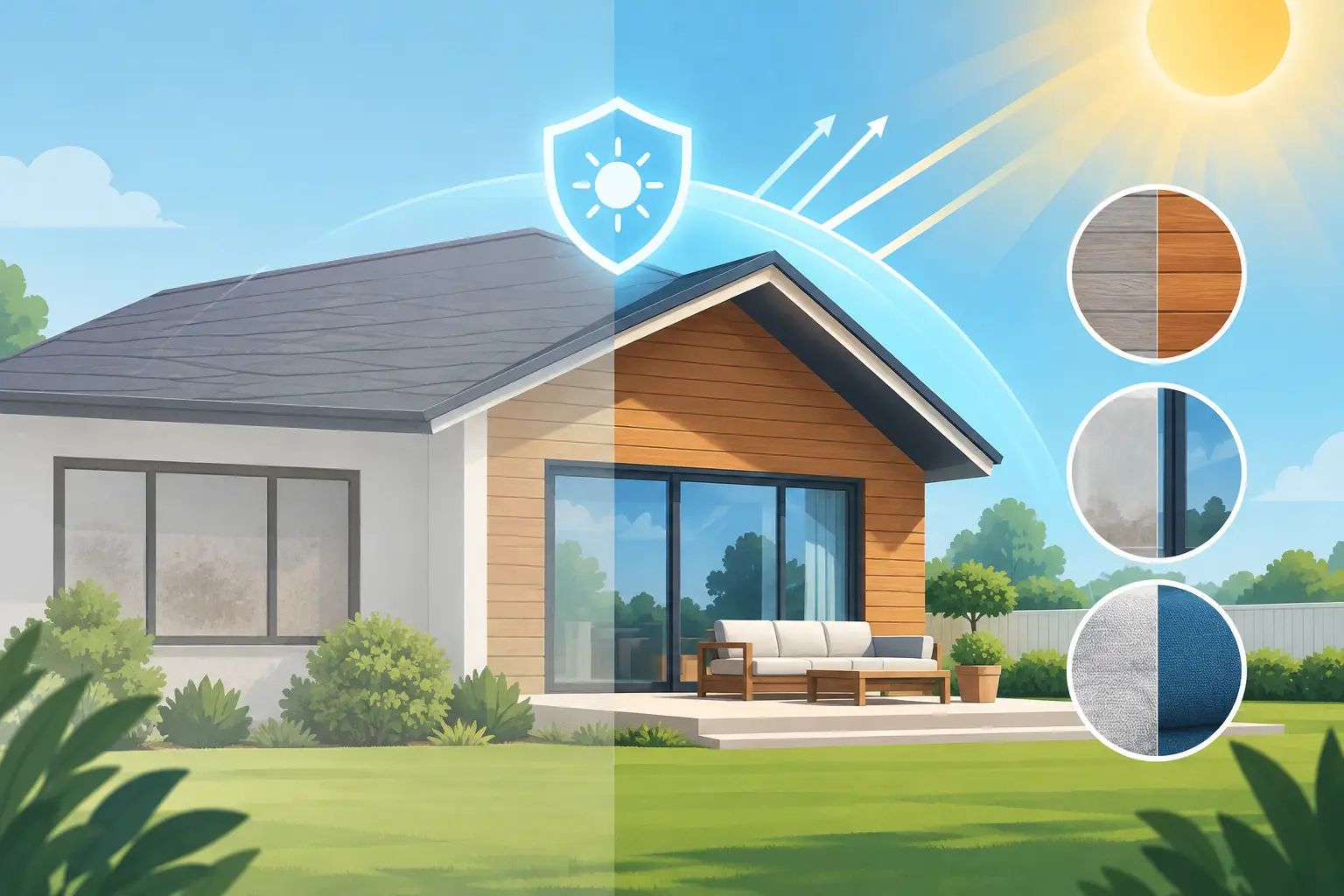
In practical terms, yes, good quality solar film does work. On a conservatory, the most noticeable improvements are usually reduced glare, less harsh solar gain through the side glazing, and better comfort during bright parts of the day. Furnishings, flooring and fabrics also get the benefit of UV reduction, which helps slow fading.
What solar film does not do is turn a badly overheated conservatory into a perfectly temperature-controlled extension in the middle of a heatwave. That would be an unrealistic promise. If the room has a large glazed roof, poor ventilation and direct sun exposure for most of the day, film will improve performance, but the overall result still depends on the structure itself.
That is why a proper review of conservatory solar film in the UK has to be honest about trade-offs. Film helps significantly, but the best outcome comes from matching the film to the actual problem.
What homeowners usually want from conservatory film
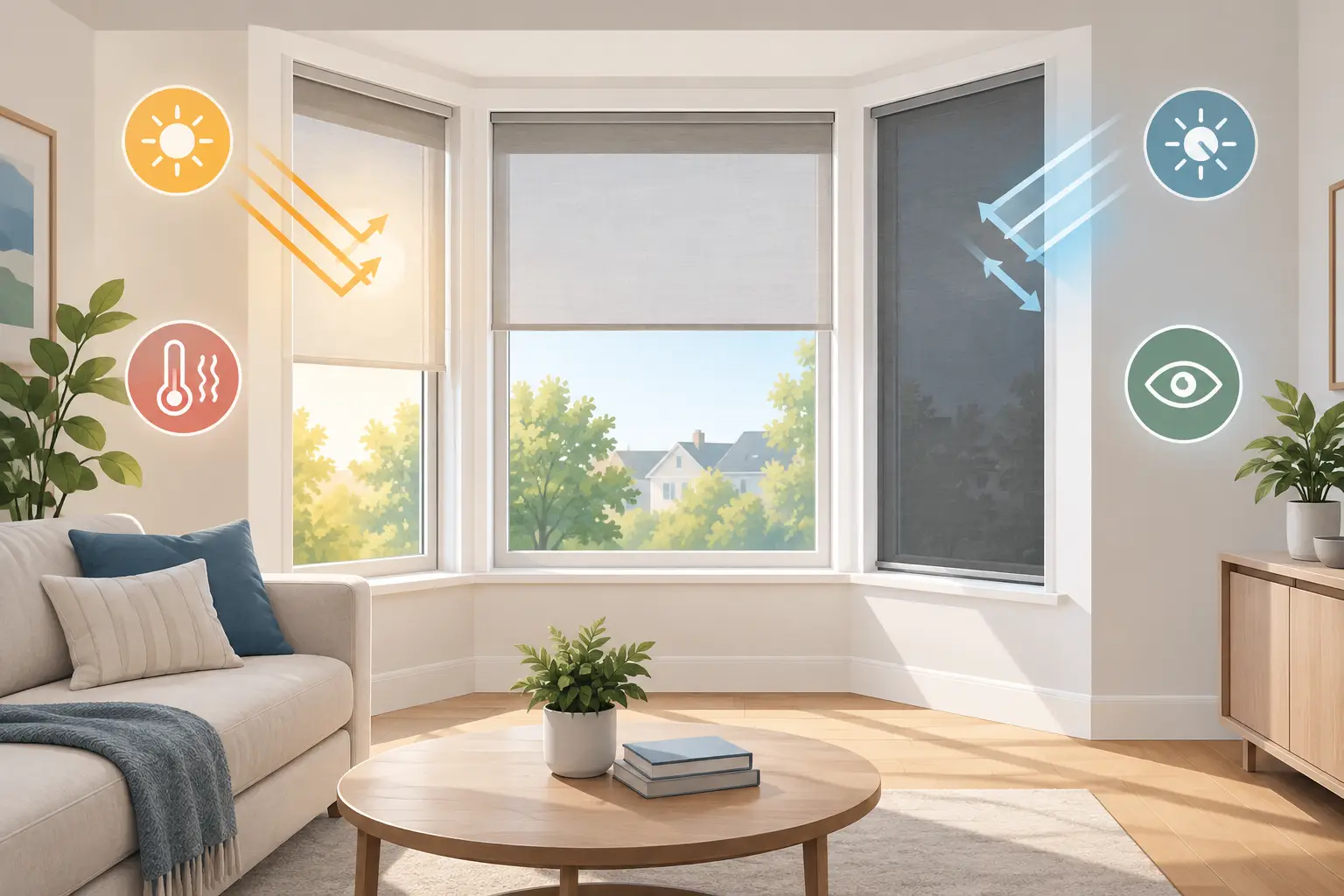
Most enquiries come down to four things: heat reduction, glare control, UV protection and privacy. In real homes, those needs often overlap.
If you use the conservatory as a sitting room, glare is often the biggest daily annoyance. Sun on screens, shiny floors and sharp reflected light can make the space tiring to use even before the heat becomes unbearable. A well-chosen solar film softens that effect and makes the room more comfortable for longer periods.
If the room faces south or west, heat gain is usually the main issue. Reflective or spectrally selective films can reduce a meaningful amount of solar energy entering through the glass. That helps the room stay more stable, especially through late morning and afternoon.
Privacy matters too, particularly in overlooked gardens or on newer housing developments. Some reflective films provide strong daytime privacy while still allowing good outward visibility from inside. That said, people should understand the limitation – at night, when internal lights are on, the privacy effect reduces unless there is a lighting difference in your favour.
The main types of conservatory solar film
Not all conservatory films are doing the same job. This is where many online reviews become too simplistic.
Reflective solar film is one of the most effective options for heat and glare control. It reflects a portion of the sun’s energy away from the glass and often gives a mirrored exterior finish in daylight. For many conservatories, especially those with strong sun exposure, this is the most practical route. The trade-off is appearance. Some homeowners like the cleaner, modern look. Others prefer a less noticeable finish.
Neutral or lightly tinted solar films are more subtle visually. They can still reduce glare and UV, but they may not reject as much heat as a stronger reflective film. They suit customers who want improvement without changing the look of the conservatory too much.
Spectrally selective films are designed to reduce heat while keeping a lighter, clearer appearance. These can work well where preserving natural light is a priority. They are often a strong option when clients want performance without the darker or more reflective look of traditional films.
There are also films aimed more at privacy or decorative effect, but for most conservatory applications in the UK, performance should come first. If the room is too hot and too bright, appearance alone will not solve the problem.
What makes a good conservatory solar film review UK readers can trust?
A reliable review should talk about installation conditions, glass type and realistic expectations. If it simply says a film was “brilliant” or “did nothing”, it is missing the context that actually matters.
Glass specification is a major factor. Toughened glass, double glazing, older units and certain coated glazing products can all affect what film is suitable. Applying the wrong film to the wrong glass can create thermal stress risks, which is why conservatories should be assessed properly before installation.
Orientation matters as well. A north-facing conservatory will behave very differently from one taking direct sun for most of the afternoon. So will a roof-heavy design compared with one where the side windows are the main source of heat and glare.
A trustworthy review also separates side glazing from roof glazing. That distinction matters. Some customers assume one film can be applied everywhere in the same way, but roof panels can require a different approach depending on construction, access and glass compatibility.
What results are realistic?
The strongest real-world benefit is usually a noticeable improvement in comfort rather than a dramatic transformation in every condition. Rooms often feel less harsh, less glaring and more usable across the day. Sun-facing seating areas become more practical. Blinds do not need to stay shut as often. Floors and furniture get better protection from UV exposure.
Heat reduction can be substantial, but it is never absolute. On a warm British summer day, the room can still get hot. The difference is that it takes longer, feels less aggressive and is easier to manage with ventilation and shading.
For many households, that is enough to make the conservatory usable again. You may not turn it into a fully climate-controlled room in peak summer, but you can make it far more comfortable and reduce the need to avoid it during bright weather.
Is external or internal film better?
It depends on the conservatory and the glass. In many cases, internal film is suitable and offers very good performance on the side windows. In others, especially where certain glazing specifications are involved, external-grade film may be the better choice.
This is not just about convenience. It is about using a film that is compatible with the glass and positioned for the best long-term result. Professional assessment matters here because guessing can lead to poor performance or avoidable stress on the glazing unit.
Appearance, light levels and common concerns
One of the biggest hesitations is whether the conservatory will become too dark. That depends on the film selected. A stronger reflective film will usually reduce visible light more than a lighter, more selective film. For some rooms, that is a positive because the brightness is the problem. For others, especially where the space is already slightly shaded, a lighter specification may be the better balance.
Another concern is whether the film will make the conservatory look too mirrored from outside. Again, that varies by product. Some reflective finishes are more pronounced than others. A proper recommendation should consider both performance and how the conservatory sits within the property.
This is where commercial-grade products make a difference. Better films tend to offer a more controlled finish, stronger durability and more predictable performance than low-cost DIY products. That matters on a conservatory, where solar load and exposure can be demanding.
Should you choose DIY film or professional installation?
For conservatory glazing, professional installation is usually the safer route. Large panes, heat exposure, edge finishing and glass compatibility all matter more here than on a simple small window project.
DIY films are often marketed on price, but poor fitting, trapped contamination, peeling edges and choosing the wrong specification can wipe out any saving. Conservatories are one of those applications where the right product and the right installation method matter just as much as the idea itself.
A tailored approach is especially important if your conservatory is being used as an everyday living area, home office or dining space. In those cases, performance needs to be measured against how the room is actually used, not just against a product label.
Who gets the best value from conservatory solar film?
Homeowners who already like their conservatory but cannot comfortably use it in strong sun tend to see the clearest benefit. The same applies where glare is the main frustration, or where furnishings are taking repeated UV exposure.
If the conservatory has serious design limitations, such as excessive roof glazing, minimal ventilation and extreme sun exposure all day, film is still worthwhile, but expectations should be sensible. It is an improvement measure, not a rebuild.
Across North Wales, Chester, the Wirral, Manchester and surrounding areas, this is why a site-specific recommendation matters more than a generic online answer. The best film for one conservatory may be the wrong one for another, even if the complaints sound identical.
If you are reading conservatory solar film review UK content because your room is too hot, too bright or too exposed, the useful question is not whether film works in theory. It is whether the right commercial-grade film, fitted properly to your glass, will make the space work better for how you actually live in it. In most cases, the answer is yes – and that is usually where the value lies.