If your conservatory feels brilliant for ten minutes, then turns into a greenhouse you avoid until autumn, the roof panels are usually the reason. Most conservatories take the sun from above for the longest part of the day, and roof glazing is often thinner or more exposed than the vertical windows. The result is familiar – harsh glare, faded furniture, and a room that swings between too hot and too cold.
Window film is one of the quickest ways to bring that space back under control, but the phrase “best” is doing a lot of work. The best window film for conservatory roof panels depends on what your roof is made of, how the room is used, and whether you can live with a slightly more reflective look from outside. Get the match right and you keep the natural light while taking the edge off heat, glare and UV.
What makes conservatory roof panels different
A conservatory roof behaves differently from a normal window because the angle of the glass (or polycarbonate) catches strong sunlight for longer. Even on a mild day in North Wales or along the Wirral coast, direct sun through overhead glazing can build heat quickly, then trap it. It is also where glare becomes most uncomfortable – the light is coming from above, bouncing off tables, glossy floors, TV screens and laptops.
Roof panels also present practical constraints. Access is harder, the surface can be warm during fitting, and certain roof materials need specific film types and installation methods to avoid stress on the panel. That is why “any tint will do” is rarely true on a conservatory roof.
Start with the roof material: glass or polycarbonate
Before choosing a film, you need to know what the roof panels are.
Glass conservatory roofs tend to handle film well when the correct type is used. A properly selected solar control film can reject a significant portion of solar energy and cut glare without turning the room into a cave.
Polycarbonate roofs are more sensitive. Polycarbonate expands and contracts more than glass, and some films can contribute to thermal stress if the wrong construction is used or if the panel already has coatings. On polycarbonate, the “best” film is often a specialist option designed for plastics, fitted with the right preparation so it bonds cleanly and performs consistently.
If you are unsure, check your paperwork from the build, look for markings on the panels, or have a professional confirm it. Choosing the film based on assumptions is where problems start.
What you actually want the film to do
Most customers asking about conservatory roof film want one of three outcomes.
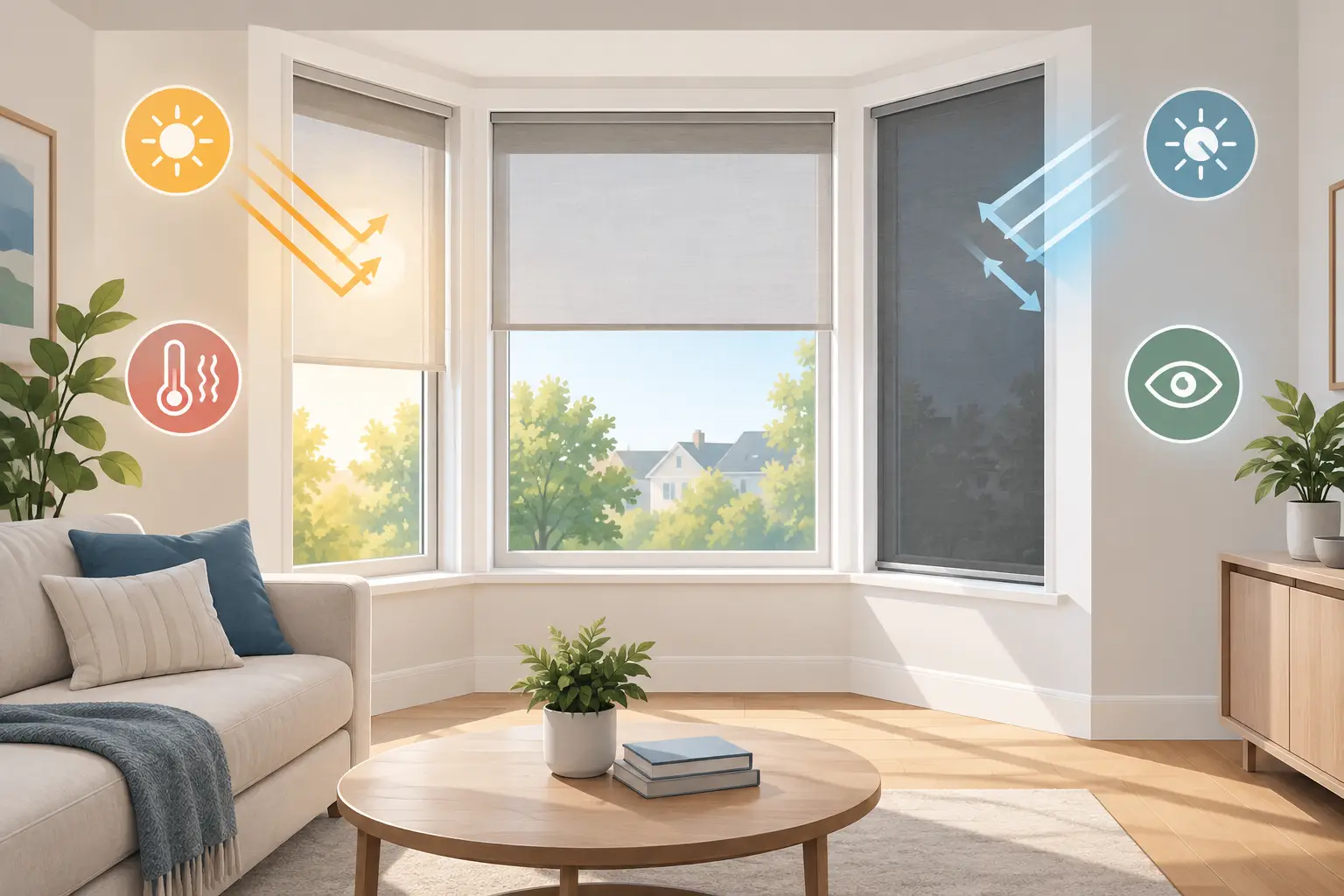
First is temperature control. This is about reducing solar heat gain so the room stays usable through summer afternoons, not just early mornings.
Second is glare reduction. If you use the conservatory as a dining space, a lounge, or a home office, glare is often the real day-to-day issue.
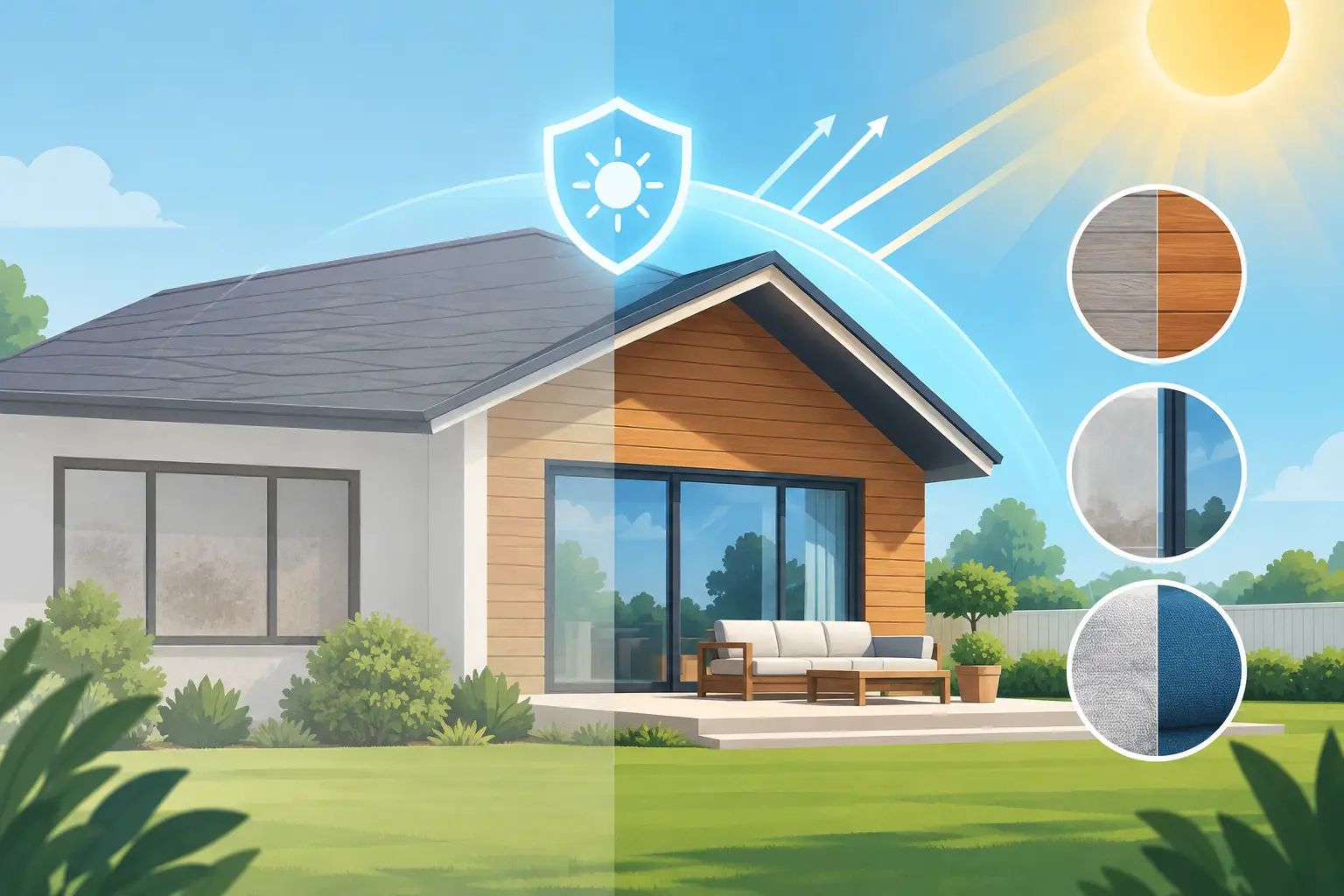
Third is UV protection. UV is what fades sofas, flooring, artwork and soft furnishings. Many commercial-grade films block a very high percentage of UV, which is reassuring if your conservatory is full of fabrics and finishes you do not want to replace.
You can have all three, but not always at maximum strength in one film without trade-offs in appearance or visible light. That is why film choice should be driven by how you live in the space.
The best window film for conservatory roof panels: the realistic options
Reflective solar control film for maximum heat reduction
If your main problem is overheating, a reflective solar control film is often the best-performing choice for a conservatory roof. These films are designed to reflect a portion of the sun’s energy away before it becomes heat inside the room.
The trade-off is the look. Reflective films can create a mirror-like appearance in daylight. Some homeowners like that clean, modern finish, and it can add daytime privacy, but others prefer something more subtle.
Reflective films also tend to perform best when the sun is strongest. That makes them particularly useful for south-facing or west-facing conservatories where the afternoon sun can be relentless.
Neutral solar control film when you want a softer finish
If you want heat and glare reduction without a strong mirrored look, a neutral solar control film is usually the better fit. It will still cut solar energy and reduce glare, but it is designed to look more natural from inside and out.
This is often the best compromise for family homes where the conservatory is an everyday room and you do not want it to feel heavily tinted. You get improved comfort, good UV protection, and a cleaner aesthetic.
The trade-off is performance at the extremes. A neutral film typically will not reject quite as much heat as a high-reflective option. If your conservatory becomes genuinely unusable in summer, that difference can matter.
High-clarity anti-glare film for conservatories used as offices
Sometimes the room temperature is manageable, but the glare is not. If you are trying to work on a screen, run a small business from home, or use the space as a study area, glare control becomes the priority.
An anti-glare film focuses on improving visual comfort. You reduce harsh brightness and reflections while keeping a brighter feel than you would with a darker solar film.
The trade-off is that glare-focused films may not deliver the same level of heat rejection as a dedicated solar control film. In an office-style conservatory, the right balance often comes from choosing a film that reduces glare meaningfully while still taking a good cut of solar energy.
UV-blocking protection when fading is the main concern
If your conservatory is not overheating badly but you are seeing fading on floors, furniture and fabrics, UV protection is the priority. Many solar control films include excellent UV blocking as standard, but it is worth confirming performance levels rather than assuming.
UV control is one of the most cost-effective upgrades you can make because it protects what you already own. It also helps if you have children’s toys, displays, or a lot of timber finishes in the space.
The trade-off is that UV-only solutions may not change the temperature much. They protect, but they do not always cool.
Key factors that decide what is “best” in your home
Light levels matter. If your conservatory is already a little shaded by trees or nearby buildings, an overly dark film can make it feel dull. In that case, a neutral film that maintains visible light is often the better choice.
Orientation matters just as much. A north-facing conservatory might be more about glare at certain times of day and keeping warmth in, whereas a south-facing roof can need serious solar control.
Your flooring and furnishings matter too. Glossy tiles, polished tables, TVs and large monitors all amplify glare. If you have those surfaces, glare reduction can feel like a bigger win than a few degrees of temperature change.
Finally, consider ventilation and shading. Film is not the only tool, and it works best as part of the overall setup. Roof vents, blinds, and good airflow can work alongside film. The point is not to “fix everything with tint”, but to take the biggest load off the roof glazing so the room behaves.
Why professional installation matters on roof panels
Roof film installation is not the same as tinting a ground-floor window. Working overhead, dealing with panel joins, and ensuring a clean finish without trapped moisture takes experience and the right equipment.
There is also a performance reason. If a film is not applied correctly, you can end up with edges that lift, contamination under the film, or an uneven look that is obvious when the sun hits it. On conservatory roofs, the sun shows everything.
Most importantly, the wrong film choice on the wrong roof material can create long-term issues. A professional installer will match the film to the glazing type and your outcomes – heat reduction, glare control, UV protection, or a blend.
If you are in North Wales, Chester or the Wirral and want a film specified for your conservatory roof rather than guessed, Solar Tint Wales at Tinting For Glass can advise on commercial-grade options and fit them properly for flat glass applications.
What results you should expect (and what you should not)
With the right solar control film on the roof, most people notice the room feels calmer. The glare drops first – you stop squinting, and screens become easier to use. Temperature improvements follow, especially during the peak sun hours when the room used to spike.
UV protection is less “felt” but it is often the most valuable long-term benefit. Soft furnishings, flooring and décor last longer, and you are not constantly chasing fading and sun damage.
What film will not do is turn a conservatory into a perfectly insulated extension on its own. If the structure has minimal insulation elsewhere or if you have significant draughts, film cannot compensate for winter heat loss. It is a solar control solution, not a replacement for proper heating or structural upgrades.
A quick note on privacy and appearance
Privacy on a conservatory roof is not usually the main goal, but reflective films can reduce overlooking from higher neighbouring properties during the day. At night, it is different – if your lights are on inside, most reflective films will not provide privacy because the brighter side becomes the inside.
If appearance is a concern, ask to see similar installs. The “best” film is the one you are happy to live with year-round, not just one that looks good on a sample.
The conservatory roof is the largest, brightest surface in that room. Once it is controlled, the whole space becomes easier to use. A film that is well chosen and professionally fitted does not change the character of your home – it simply makes the conservatory behave like a room again.