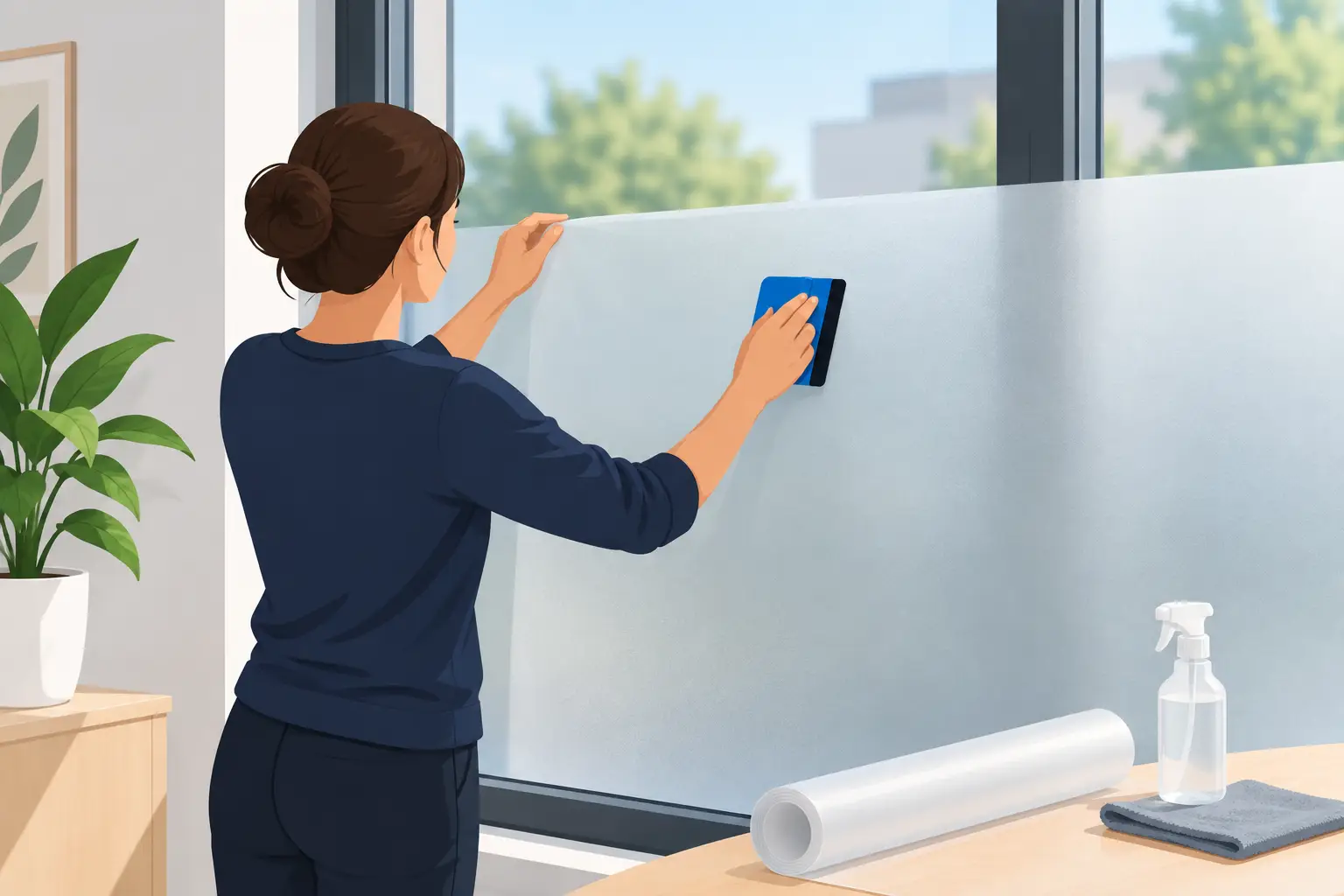
A smashed pane at ground level is rarely just about the glass. It is the disruption, the exposed interior, the clean-up, and the worry about what happens next. That is why anti vandal window film for ground floor windows is a practical upgrade for homes, shops, offices and static caravans where glazing sits within easy reach from outside.
Ground floor glazing is the most exposed part of many properties. It faces passing footfall, accidental knocks, deliberate damage, and in some cases attempted forced entry. Standard glass can break quickly under impact, but the right security film helps hold shattered glass together, making the pane harder to breach and reducing the immediate risk from flying shards.
Why ground floor windows need more protection
Upper floor glazing is less likely to be hit, leaned on, or targeted. Ground floor windows are different. They are close to pavement level, garden paths, car parks and access points, which means they take the brunt of day-to-day risk.
For a homeowner, that might mean concern about vulnerable front-facing windows, patio doors or conservatory glazing. For a retailer, it may be a shopfront exposed to late-night damage. For offices and public-facing premises, it can be reception areas and meeting rooms where a broken pane creates both a safety issue and a security problem.
This is where anti vandal window film becomes useful. It does not turn ordinary glass into an indestructible barrier, and it should not be described as a substitute for shutters or laminated security glazing in every setting. What it does offer is a strong, commercial-grade layer that increases glass retention under impact and raises the effort needed to break through.
What anti vandal window film for ground floor windows actually does
Security film is applied directly to existing flat glass. Once fitted, it helps bind the glass together if the pane is struck hard enough to crack or shatter. Instead of the window immediately collapsing into loose fragments, the broken glass tends to stay in place for longer.
That delay matters. In many cases, opportunistic damage relies on speed. A person wants quick access or wants to cause maximum disruption in minimal time. If the glass resists collapse, entry becomes more difficult and far more noticeable.
There is also a clear safety benefit. Broken glass can create serious hazards for occupants, staff, customers and anyone nearby. Anti vandal film reduces that risk by keeping fragments attached rather than scattering across floors, entrances or display areas.
Some customers also choose security film because they want a more discreet alternative to visible bars or external grilles. The protection is built into the glazing itself, so the property keeps a clean, professional appearance.
Where it works best
Anti vandal film is especially well suited to windows and glazed doors at street level or around direct access points. In domestic settings that often includes front bays, sidelights by entrance doors, rear patio doors and conservatories. In commercial premises it commonly applies to shopfronts, office frontages, internal partitions near reception spaces and vulnerable side or rear windows.
For static caravans and holiday properties, the need can be slightly different. The issue is not always targeted vandalism. Sometimes it is peace of mind while the property is unoccupied, particularly in areas with seasonal footfall. In those cases, added glass retention can be a sensible part of a wider protection plan.
It is worth saying that not every pane needs the same treatment. A full site assessment normally identifies the glazing most exposed to impact, access or public contact, which helps avoid overspecifying film where it is not needed.
Security benefits, but with realistic expectations
The best advice on anti vandal window film for ground floor windows is to be clear about what it can and cannot do. It strengthens the overall response of the glass under impact, but the level of protection depends on several factors: the glass type, the frame condition, the size of the pane, and whether the film is installed with the correct edge detail or attachment system where required.
If a window frame is weak, loose or deteriorated, the glass may not be the only point of failure. If a pane is very large, it may behave differently under force than a smaller unit. That is why professional specification matters. A film should be matched to the actual use case rather than chosen on thickness alone.
For some customers, a clear security film is enough. For others, it makes sense to combine security performance with solar control, glare reduction or daytime privacy. That depends on the location of the glass and what else the property needs the film to do.
Clear film or multi-purpose film?
One of the main advantages of modern window film is that protection does not have to come at the cost of comfort or appearance. A clear anti vandal film keeps the original look of the glass while improving hold-together performance under impact. This is often the preferred option where maintaining natural light and an unchanged external finish matters most.
In other settings, a combined film may be more suitable. A reflective or tinted security film can add daytime privacy, reduce glare and cut UV exposure as well as improving glass retention. This can work well on front-facing ground floor windows in offices, homes and static caravans where people also want better comfort during bright weather.
There is a trade-off. Heavier or more specialised films may slightly alter the appearance of the glass, and some reflective finishes have a more obvious external look. That is not necessarily a negative, but it should be chosen deliberately. The right result comes from balancing security, privacy, solar performance and appearance.
Why installation quality matters
Window film is only as reliable as its installation. Poor preparation, contamination, incorrect fitting or unsuitable edge finishing can all reduce performance. On security work in particular, the detailing is important because the film needs to perform under stress, not just look neat on the day it is fitted.
Professional installation also helps avoid a common problem – choosing a film that sounds strong on paper but is not right for the glazing in question. A proper installer will assess the window type, how the space is used, whether privacy or solar control is also needed, and whether the existing glass and frames are suitable.
For landlords, facilities teams and commercial operators, that matters for another reason. A professional, commercial-grade installation creates a more dependable result across multiple panes, which is important when consistency and appearance affect the whole frontage.
Anti vandal film for homes, shops and offices
Domestic customers often ask whether security film is too commercial for a home. In practice, it is often a very sensible upgrade for properties with exposed glazing. A front ground floor window facing a road, a rear door opening onto a secluded garden, or a conservatory with large accessible panes can all benefit from better glass retention.
For shops, the value is more obvious. Even when film does not fully prevent a breakage, it can make smash-and-grab access slower and messier, which is often enough to deter opportunistic attempts. It also reduces the amount of shattered glass left across stock areas and entrances.
In offices, schools, clinics and other public-facing buildings, the safety side can be just as important as security. When a pane breaks in a shared environment, controlling glass fallout is a serious advantage.
Is it worth it?
If your ground floor glazing is exposed, the answer is often yes. The cost of replacing broken glass, securing an opening, cleaning up debris and dealing with lost time usually outweighs the cost of fitting a proper film in the first place. That is particularly true for commercial premises where a damaged frontage affects trading and presentation straight away.
Still, it is not a one-size-fits-all product. Some properties need a clear security film only. Others benefit more from a film that also deals with glare, heat or daytime privacy. And in higher-risk locations, film may be best used alongside other physical security measures rather than as a standalone solution.
A tailored approach is always the better one. At Tinting For Glass, the focus is on specifying the right commercial-grade film for the building, the glazing and the outcome you need, whether that is peace of mind at home, safer shopfront glass, or better all-round performance from exposed ground floor windows.
If you are looking at vulnerable glazing, the sensible next step is not guessing which film sounds strongest. It is choosing a solution that fits the actual risk, the appearance of the property and the way the space is used every day.