A static caravan can become uncomfortably warm surprisingly quickly. Large areas of glass, compact rooms and direct sun exposure all allow heat to build up, particularly on coastal holiday parks where there is little natural shade. If you are asking how to keep a static caravan cooler, the most effective approach is to reduce solar heat before it passes through the windows, then manage airflow inside.
Opening every window may make a difference on a breezy day, but it cannot stop sunlight heating floors, furniture and interior surfaces. A combination of shade, sensible ventilation and professionally installed solar window film gives much more reliable comfort – while also helping to reduce glare and UV exposure.
Why static caravans get hot so quickly
Static caravans are designed to make good use of natural light, but that light comes with solar gain. Sunlight passing through untreated glass warms the interior, and that stored heat can remain long after the sun has moved round. South- and west-facing lounge windows are usually the main problem, especially during the afternoon when families want to use the caravan most.
The construction of a caravan also plays a part. Compared with a traditional brick property, there is less thermal mass to absorb and release heat gradually. Rooms can therefore heat up rapidly, particularly when doors and windows are kept closed for security, privacy or noise.
The solution depends on the caravan’s position, glazing layout and how it is used. A caravan shaded by trees may benefit most from better ventilation and glare control, while an exposed unit with a wide front window may need stronger solar protection. Looking at the sun-facing glass first is usually the best starting point.
Control the sun at the glass
Windows are the main route for unwanted solar heat, so controlling heat at the glass is generally more effective than trying to cool the whole caravan afterwards. Blinds and curtains can reduce brightness, but by the time sunlight reaches them, much of the solar energy has already entered through the window.
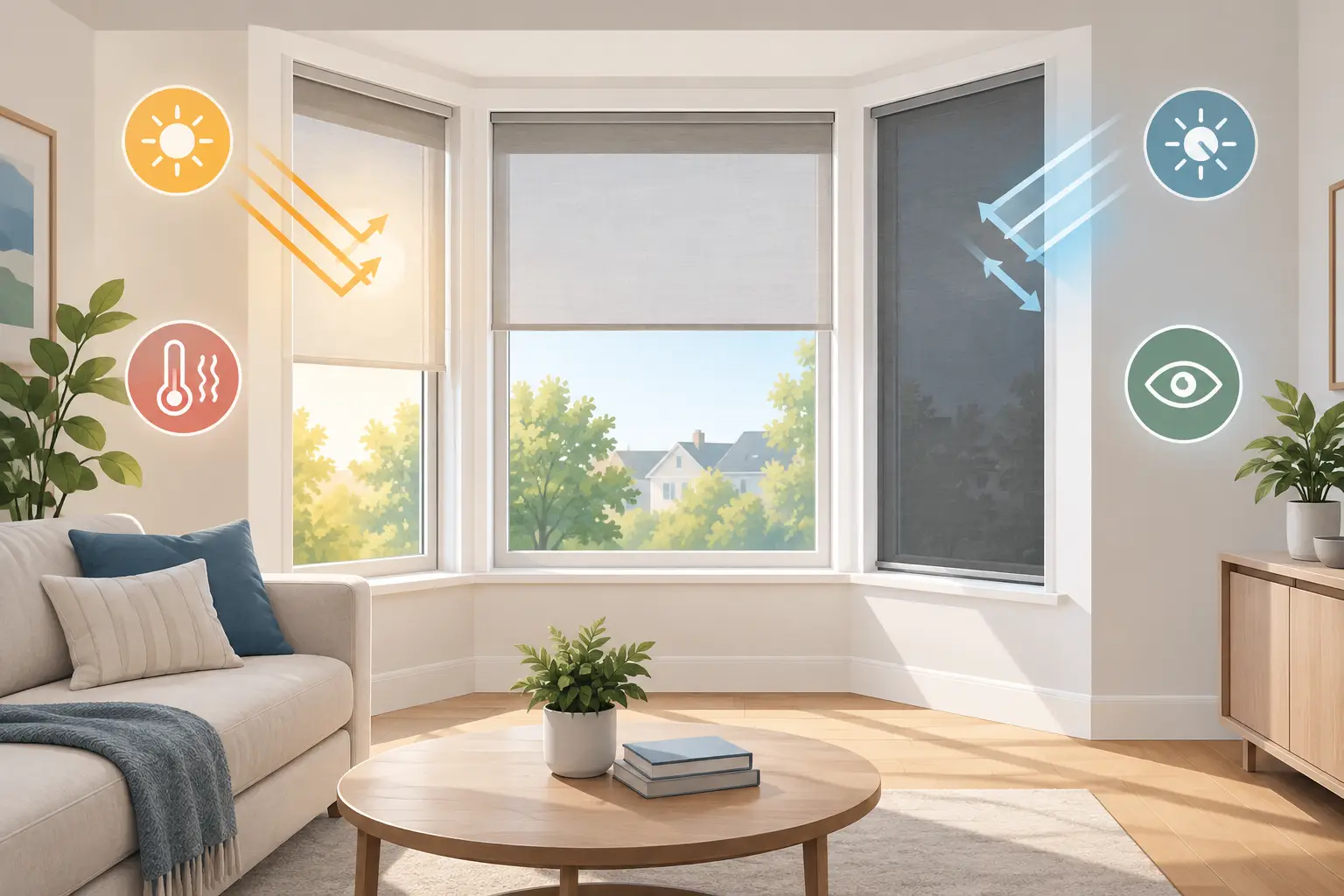
Professional solar window film is fitted directly to suitable flat glass. It is designed to reject a proportion of solar heat and reduce harsh glare, while retaining useful daylight and outward visibility. This makes it particularly practical in static caravans, where closing heavy curtains all day can make the interior feel dark and enclosed.
Choose film around the view and the exposure
There is no single film that suits every caravan. A lighter solar film can reduce glare and UV while preserving a brighter, more natural appearance. A more reflective or darker finish can offer stronger heat and privacy performance where the caravan receives intense sun or faces neighbouring pitches.
Daytime privacy is another consideration. Reflective films can make it harder to see into the caravan from outside during daylight hours, while still allowing occupants to look out. At night, when interior lights are on, curtains or blinds are still needed for privacy.
A professional assessment matters because glass type, window condition and the desired finish all affect the right specification. Commercial-grade film should be selected for the application rather than simply choosing the darkest appearance. The aim is a cooler, more usable caravan without unnecessarily losing light or spoiling the view.
Improve ventilation without letting heat build up
Ventilation works best when it is planned around the time of day. In the early morning and later evening, open windows on opposite sides of the caravan to create cross-ventilation and flush out warm air. If it is hotter outside than inside during the middle of the day, opening every window wide may simply bring more hot air in.
Use roof vents as intended and keep them clear. Warm air rises, so a high-level opening combined with a lower window on the shaded side can help move heat out. Internal doors should be left open where practical so cooler air can travel through the caravan rather than becoming trapped in bedrooms or the lounge.
Portable fans do not lower the air temperature, but they make occupants feel cooler by improving air movement. Positioning a fan near a shaded open window in the evening can help draw in fresher air. Avoid placing it directly against a sun-facing window during the hottest part of the day, as it may circulate warm air instead.
Add external shade where the pitch allows
Stopping direct sun before it reaches the glass is always useful. An awning, canopy or properly positioned parasol can shade the main living-area windows and doors, reducing the intensity of direct sunlight. This is especially valuable on west-facing elevations that receive low, strong afternoon sun.
External shade has trade-offs. A large awning can reduce daylight indoors, may need securing carefully in coastal wind, and must comply with holiday park rules. It should not obstruct safe access or ventilation. For many owners, a modest shaded seating area paired with solar window film provides a practical balance between protection and a bright interior.
If trees or planting are permitted, consider where shade will fall during the times you use the caravan. This is a longer-term option and will not solve an immediate heat problem, but it can improve comfort around decks and outdoor doors as well as windows.
Reduce internal sources of heat
On a warm day, small heat sources make a noticeable difference in a compact caravan. Cooking on the hob or using the oven can raise the temperature quickly, so lighter meals, outdoor cooking where permitted, or preparing food in the cooler part of the day can help. Keep extractor fans running while cooking to remove heat and moisture.
Switch off lights, televisions and chargers when they are not needed. Modern equipment is more efficient than it used to be, but several appliances running in a small lounge still add heat. If the caravan has an air conditioning unit, keep windows and external doors closed while it operates, and clean filters in line with the manufacturer’s guidance.
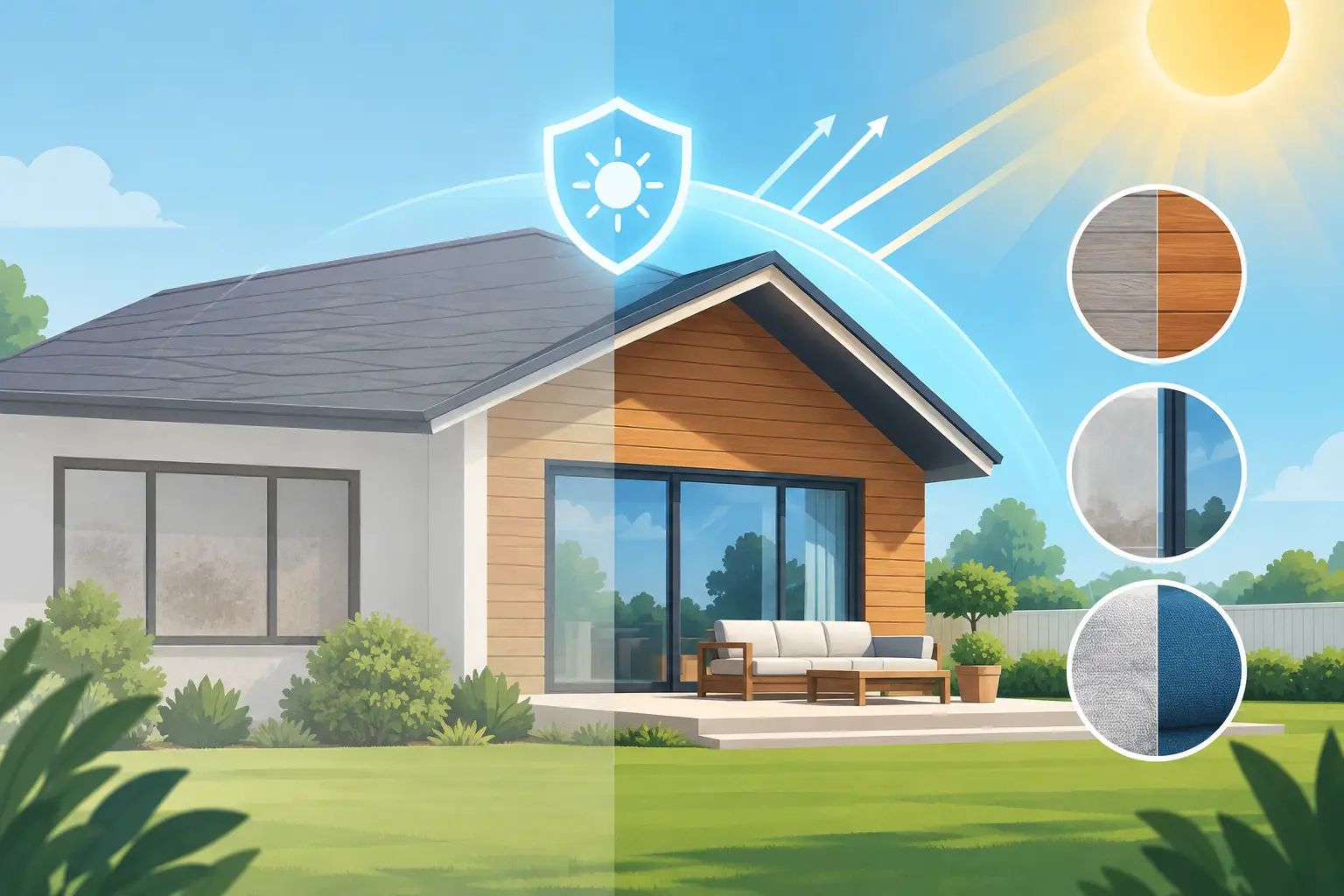
Soft furnishings deserve protection too. Strong sunlight can fade upholstery, flooring, curtains and photographs over time. Solar film helps reduce UV exposure, but it should be viewed as part of an overall protection plan rather than a reason to leave valuable items in direct sun indefinitely.
Use blinds and curtains strategically
Blinds and curtains remain useful, particularly for early-morning sun in bedrooms and for night-time privacy. Closing them on the sunniest side before the caravan heats up will reduce some internal brightness and add another layer between occupants and the glass.
However, they perform best alongside solar control at the window. Fully closed dark curtains can make the room feel stuffy and cut off a view that is often one of the reasons for owning a static caravan. A solar film can reduce the worst glare and heat during the day, allowing blinds to remain partly open more often.
Consider light-coloured blinds or reflective backing for the most exposed windows. They can reflect some radiant heat back towards the glass while keeping the room less visually heavy than thick, dark fabrics.
When professional window film is worth considering
Window film is particularly worthwhile when you repeatedly avoid using a lounge, dining area or bedroom because of afternoon heat or screen glare. It is also a practical option where the caravan overlooks busy paths or neighbouring pitches and you want better daytime privacy without permanently covering the windows.
A professional installation provides a clean finish and helps ensure the film is appropriate for the existing flat glass. The right product can improve comfort, reduce glare, filter UV and contribute to a more consistent internal temperature. It will not turn a caravan into a refrigerated space during a heatwave, especially if doors are constantly opening, but it can significantly reduce the intensity of sun-driven heat gain.
For static caravan owners across North Wales, the Wirral and Chester, Solar Tint Wales provides tailored, commercial-grade window film solutions based on the caravan’s glazing, exposure and privacy requirements. A clear discussion of the problem areas – such as a hot front lounge or an overlooked bedroom – makes it easier to specify a film that suits the space.
The best time to improve a hot caravan is before the next sustained spell of warm weather. Start with the windows that receive the strongest afternoon sun, combine solar control with sensible airflow, and you can keep the space brighter, cooler and far more comfortable to use when the weather is at its best.