A shopfront has to work hard. It needs to invite customers in, protect stock and staff from unwanted attention, reduce distracting glare, and still look right for the business behind the glass. The best privacy films for shopfronts achieve that balance without replacing the glazing or making the premises feel closed off.
The right choice depends on what needs to be hidden, when privacy is required, and how much natural light and outside visibility the shop needs to retain. A salon may need privacy around treatment areas. A high-street office may want less visibility into desks and screens. A retailer might need to soften views of storage or reduce glare on a sun-facing display without losing the impact of its window.
What a privacy film should do for a shopfront
Privacy is rarely the only requirement. For most commercial premises, window film should provide a practical combination of screening, appearance and comfort. A professionally selected commercial-grade film can obscure specific areas, reduce the feeling of being overlooked and create a more consistent, professional frontage.
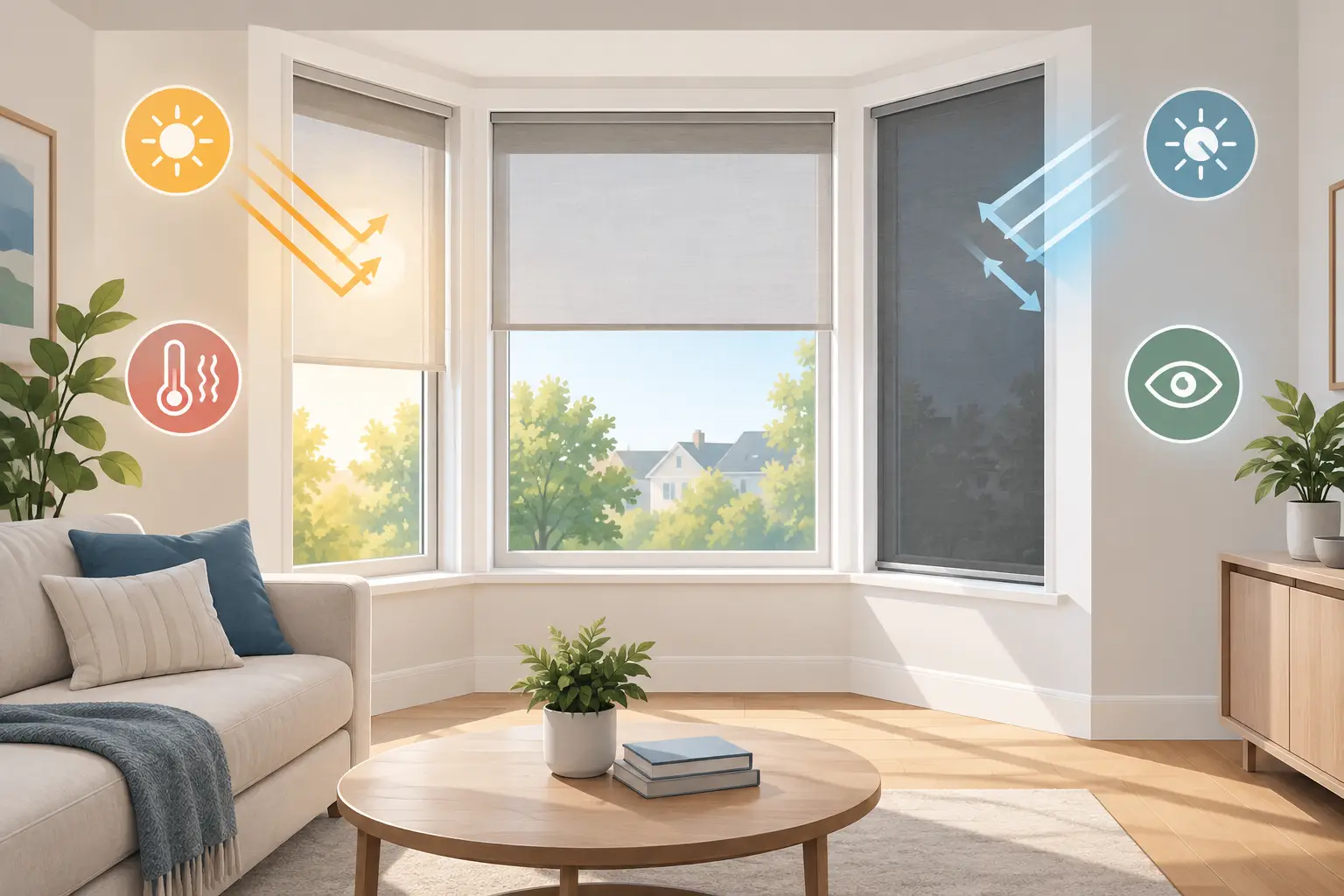
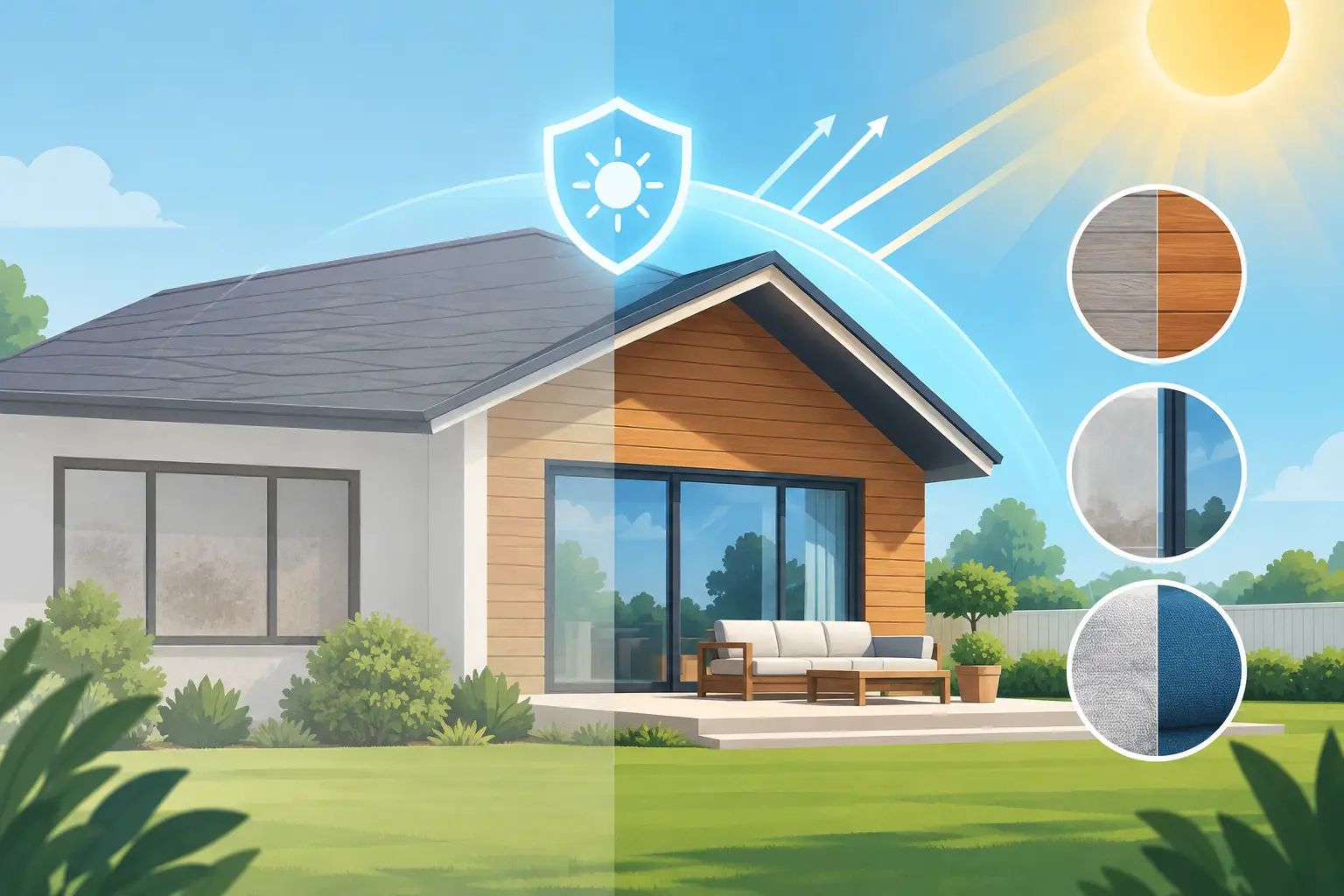
It can also help with solar control. Large panes of glass facing the afternoon sun can make a shop uncomfortable for staff and customers, fade products near the window and create reflections that make displays difficult to see. Films with solar performance reduce glare and reject a proportion of solar heat, while also filtering damaging UV rays.
However, not every privacy film provides the same result. Frosted film delivers dependable privacy day and night. Reflective and one-way films can provide a clear outward view in the daytime, but their privacy effect depends on lighting conditions. Choosing on appearance alone can lead to disappointment, particularly after dark.
The best privacy films for shopfronts by use
Frosted and etched-effect film for reliable screening
Frosted privacy film is often the most dependable option where people need to be screened from view at all times. It diffuses light rather than blocking it completely, so a shop can retain a bright, welcoming feel while concealing interiors, back-of-house areas or lower sections of glazing.
This finish is particularly effective for salons, clinics, offices, barbers, studios and premises with consultation spaces close to the window. It gives a clean etched-glass appearance at a fraction of the disruption and cost of replacing glass. It is also useful on internal glass partitions where confidential work or private appointments need a degree of separation.
The trade-off is simple: frosted film prevents a clear view both in and out. It is not the right solution if the shop relies on customers seeing products displayed behind the glass. In those cases, partial coverage can work better. Applying film to the lower half, a central band or selected panels preserves sightlines while protecting the areas customers do not need to see.
Reflective solar film for daytime privacy and comfort
Reflective window film gives shopfront glazing a smart external finish while helping to reduce heat and glare. In daylight, the brighter outside conditions create a reflective effect on the external face of the glass. People outside find it harder to see in, while staff and customers inside can usually maintain a view out.
It is a strong option for offices, showrooms and shops with broad glazed elevations, especially where direct sun creates discomfort or makes screens difficult to use. The film can reduce the load on cooling systems and help protect merchandise, flooring and furnishings from UV exposure.
There is an important limitation. Reflective film does not give guaranteed privacy at night when internal lights are brighter than outside. Once the lighting balance reverses, people outside may be able to see in. Blinds, curtains, internal lighting adjustments or a frosted section may be needed if after-hours privacy is a priority.
One-way mirror film where outward visibility matters
One-way mirror film is commonly requested for premises that want daytime privacy without sacrificing outward visibility. It creates a more pronounced mirrored appearance than some standard solar films and can be useful for street-facing offices, reception areas and staff spaces behind a shopfront.
The same lighting rule applies. It works best when the outside is brighter than the inside. It should be specified as daytime privacy film, not as an all-hours privacy solution. A professional survey helps establish whether the shop’s orientation, lighting and opening hours make this a suitable choice.
For businesses that trade into the evening, a combination approach is often more practical. For example, a reflective film on upper panes can manage solar gain and daytime visibility, while frosted film on lower or side sections maintains privacy after dark.
Graduated and patterned film for a lighter touch
Not every shopfront needs full screening. Graduated film fades from a denser frosted finish into clearer glass, creating privacy where it is most useful while keeping the frontage open. Patterned film can also break up sightlines and add a subtle visual feature without taking over the design of the premises.
This approach suits businesses that need privacy around seating, desks or treatment couches but still want daylight and a connection to the street. It can also make a plain run of glazing look more considered, particularly in shared commercial buildings where a full mirrored finish may not suit the wider façade.
Choosing film around the shop’s real priorities
The first question is whether privacy is needed all day, only during trading hours, or only in particular parts of the premises. A business with sensitive customer consultations has different needs from a retailer trying to reduce reflections on window displays.
Next, consider the position of the glass. South and west-facing shopfronts often experience the strongest heat and glare. A solar-control privacy film may deliver more value here than a purely decorative frosted film. On a shaded frontage, solar rejection may be less important, and the finish can be selected mainly for screening and appearance.
The size and purpose of the display also matters. If the window is a key sales tool, covering the whole pane with opaque film will reduce its value. Partial frosting, a banded design or a lighter solar film may give the required privacy while leaving products visible. Conversely, if the glass exposes stock, staff-only areas or office equipment, a denser finish may improve security and peace of mind.
It is also worth considering the existing condition of the glazing. Older double-glazed units, toughened glass and laminated glass can all require different film recommendations. Film selection should take account of glass type, pane size, sun exposure and thermal stress, rather than relying on a one-size-fits-all product.
Appearance, branding and the view from the pavement
A privacy film becomes part of the shopfront, so its finish should support the business rather than look like an afterthought. Silver and neutral reflective films can suit modern offices, technology businesses and showrooms. Frosted finishes tend to work well for professional services, healthcare and personal-care premises. Subtle neutral films are useful where glare reduction matters but the shop wants a less reflective external appearance.
The aim is not always to make the glass completely private. Often, a controlled level of visibility is more effective. Customers should still be able to understand that the premises are open, active and welcoming. A tailored layout can screen the practical areas while retaining a clear entrance, visible branding and a sense of light.
Film can also be cut around existing manifestations, graphics and door furniture where required. This allows the finished result to look deliberate and tidy, rather than like a panel has simply been covered over.
Why professional installation makes a difference
Commercial window film needs accurate measuring, careful preparation and a suitable film for the glazing. Poor installation can leave contamination, lifting edges, visible gaps or uneven coverage that undermines the appearance of the whole frontage. A shopfront is highly visible, so detail matters.
Professional installation also helps avoid selecting a film that creates excess thermal stress for the glass. The best-looking film is not necessarily the right technical choice for every pane. An experienced installer can assess the building, discuss privacy at different times of day and recommend a solution that supports comfort, glare control and the way the business trades.
For shop owners and facilities managers across North Wales, Chester and the Wirral, Solar Tint Wales provides tailored commercial-grade window film installation for flat glass applications. The focus is on practical performance: privacy where it is needed, reduced glare for a more usable interior, and UV protection for the areas that face the sun.
A better question than “which film is best?”
Rather than choosing the darkest or most reflective product available, ask what you need the glass to do. Do you need all-day screening, a clearer outward view, lower solar heat, better display visibility, or a combination of these outcomes? That answer will point towards frosted, reflective, one-way or partial-coverage film.
A well-planned privacy film should make the shop easier to work in and more comfortable to visit, while keeping the frontage smart and purposeful. Contact a professional installer with details of the glazing, the direction it faces and the privacy issue you are trying to solve, and the right finish becomes much easier to specify.