A south-facing office can look bright and inviting at 9am, then become too hot for comfortable work by lunchtime. Screens are difficult to read, blinds stay closed, and the air conditioning works harder than it should. This commercial solar control film guide explains how professionally installed window film can address those issues without turning a workplace, shop or shared building into a dark space.
Solar control film is applied to existing flat glass to manage the amount of solar energy entering through windows. It is a practical option for premises where replacing glazing would be disruptive or unnecessary, but where heat, glare, fading and daytime privacy are affecting how the space is used.
What commercial solar control film does
Commercial-grade solar film works by reflecting and absorbing a proportion of the sun’s energy before it can pass into the building. The result is typically a more stable internal temperature, less harsh glare and reduced exposure to ultraviolet light.
The benefit is not simply that a room feels cooler. When staff can see computer screens clearly, customers can browse without uncomfortable reflections, and occupants are not constantly closing blinds, the building becomes easier to use. Natural light can still be retained, depending on the film selected.
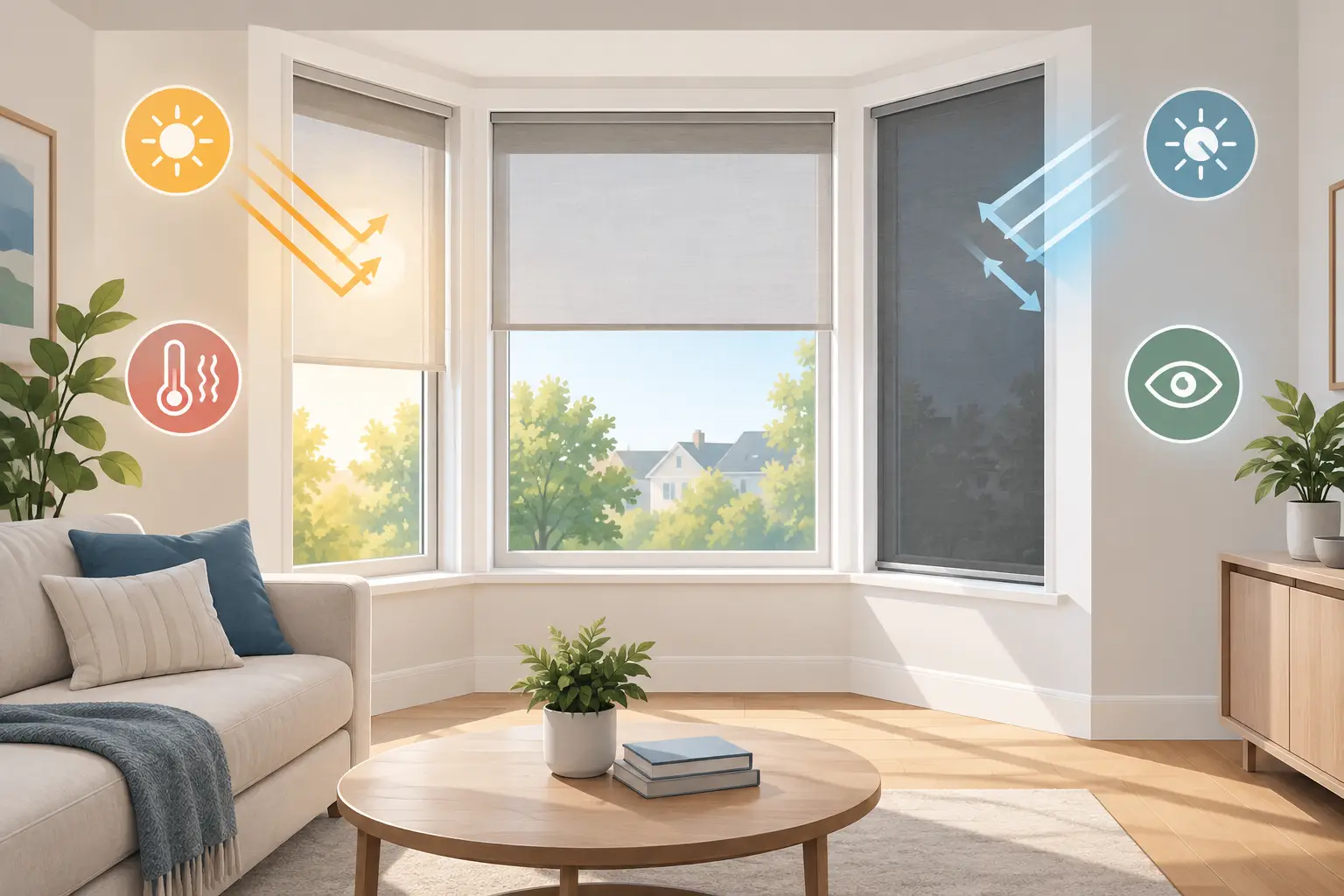
Most solar control films are designed to help with four connected requirements: heat rejection, glare reduction, UV protection and privacy. The right balance will depend on the glazing, the direction the windows face and the purpose of the room.
Heat reduction
Large areas of unshaded glass can allow significant solar heat into offices, reception areas, retail units and communal spaces. Film can reduce this solar gain, helping rooms feel less oppressive during warm weather and reducing reliance on cooling systems.
It is not a replacement for properly specified ventilation or air conditioning where those are needed. However, it can reduce the pressure placed on those systems and improve comfort in areas that are consistently warmer than the rest of the building.
Glare control
Glare is often the immediate problem in commercial properties. Direct sun and reflected light can make monitors, tablets, tills and display screens hard to view. It can also create uncomfortable conditions near windows, leaving desks or seating areas underused.
A suitable film softens excessive brightness while allowing useful daylight into the room. This is often preferable to keeping blinds shut for much of the day, particularly in offices and customer-facing premises where a bright interior matters.
UV protection
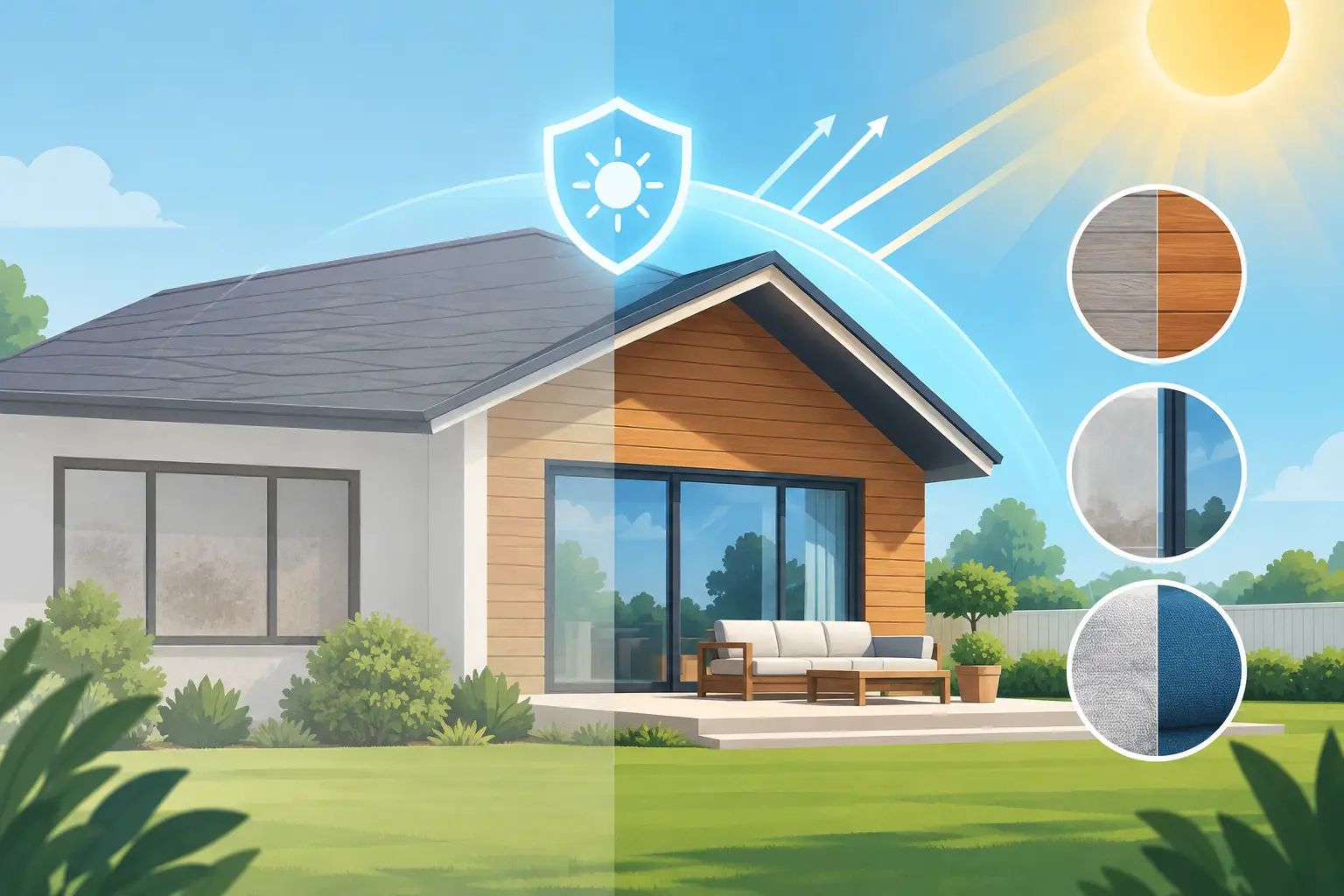
Ultraviolet radiation contributes to fading and deterioration of fabrics, flooring, displays, furniture and printed materials. Quality window film can filter a high proportion of UV rays, providing an added layer of protection for valuable interiors.
UV reduction should be viewed as part of a broader approach to protecting furnishings. Visible light and heat can also contribute to fading, so the level of overall solar control matters as well as UV performance alone.
Choosing the right commercial solar control film
The best film is not automatically the darkest or most reflective option. A professional recommendation starts with the problem you want to solve, then considers the glass and the setting.
For example, a west-facing meeting room that overheats in the afternoon may need stronger solar rejection. A shopfront may need glare control and UV protection while preserving a clear view of products. An office overlooking a busy pavement may benefit from a reflective finish that gives daytime privacy as well as heat reduction.
Reflective, neutral and subtle finishes
Reflective solar films are popular where strong heat control and daytime privacy are priorities. From outside, they can give the glass a smart, consistent appearance. From inside during daylight hours, occupants can generally maintain outward visibility.
The important qualification is that reflective privacy relies on the outside being brighter than the inside. At night, when interior lights are on, the effect changes and people outside may be able to see in. If round-the-clock privacy is essential, a different privacy solution may be required.
Neutral and lightly tinted films are useful where the appearance of the building must change as little as possible. They can still reduce heat and glare, although their performance may differ from more reflective options. A sample applied to the glass is often the clearest way to judge the finish in real conditions.
Light transmission and occupant comfort
Visible light transmission describes how much natural light passes through the film and glass combined. Lower transmission generally means a darker appearance and can provide greater glare control, but it may not suit every environment.
A bright retail unit, reception or office may need a lighter film to maintain an open feel. In a room with severe glare, a darker option may be justified. The aim is usable daylight, not maximum tint. This is why a tailored assessment is more reliable than choosing a film solely from photographs or a colour chart.
Glass type and installation suitability
Not every film is suitable for every pane of glass. The existing glazing may be single glazed, double glazed, toughened, laminated, coated or part of a sealed unit. Certain glass-and-film combinations can retain heat in ways that increase thermal stress, so compatibility needs to be checked before installation.
This is one reason professional installation matters. The installer should assess the glass, measure each area accurately and recommend a commercial-grade film appropriate for the property. A film that performs well on one elevation may not be the right choice for another.
Where solar control film delivers the most value
Commercial solar film is especially effective where a problem is repeated every sunny day, rather than being an occasional inconvenience. Offices with banks of windows, retail frontages, waiting rooms, clinics, schools, communal lounges and glazed entrances are common examples.
In offices, the value often comes from better screen visibility and fewer disputes over blinds, temperatures and seating positions. In retail settings, it can protect displays and reduce uncomfortable hot spots close to the window. For hospitality and leisure venues, it can make window tables and seating areas more consistently usable.
It can also be a sensible option for static caravan sites and shared holiday accommodation with large glazed sections. Coastal locations can experience strong sun and glare, while occupants still want to enjoy the view. The right film can reduce heat and provide daytime privacy without unnecessarily blocking the outlook.
What to expect from a professional installation
A commercial installation should begin with a conversation about the building and the outcome required. It helps to identify which rooms are affected, at what time of day the issue is worst, whether glare affects screens, and whether privacy or fading is also a concern.
The glass is then assessed for size, type, condition and access. Professional fitting is carried out on clean internal glass in most cases, with the film precisely cut and applied to achieve a neat finish. Minor moisture or haziness can be visible while the film cures, particularly in certain weather conditions, but this normally clears as the installation settles.
For occupied premises, timing also matters. Work can often be planned to minimise interruption to staff, customers or residents. Clear access to the glass and an agreed installation schedule make the process more efficient.
Questions to ask before you choose
Before approving a film, ask what percentage of solar heat it is expected to reject, how it will affect visible light, and whether it provides the level of glare control you need. Also ask how the external appearance will change, especially if the property has multiple elevations or landlord requirements.
It is sensible to discuss the warranty, cleaning guidance and the suitability of the film for your existing glass. Avoid abrasive pads or harsh cleaning products once fitted. A soft cloth, clean water and suitable glass-cleaning methods will help maintain the finish.
Price should be considered alongside performance and installation quality. A lower-cost film that leaves the room too dark, does not adequately control glare or is unsuitable for the glass is not good value. The correct specification should solve the practical issue for the long term.
For property managers and business owners across North Wales, Chester and the Wirral, the most useful next step is a site-specific recommendation. Tinting For Glass can assess the glazing and propose a professional solar control film solution based on the comfort, privacy and protection your premises actually need.