If you have ever stood next to a large window in January and felt the chill rolling off the glass, the question is a fair one: does window film reduce heat in winter, or is it mainly a summer product? The short answer is that some window films can help retain indoor warmth, but the result depends on the type of film, the glazing already in place, and what problem you are trying to solve.
That matters because many property owners first look at film for glare, privacy, or summer overheating. Then winter arrives, heating bills climb, and attention shifts to heat loss. In homes, static caravans, conservatories, offices, and shopfronts, glass is often the weakest point in the room when temperatures drop.
Does window film reduce heat in winter in real terms?
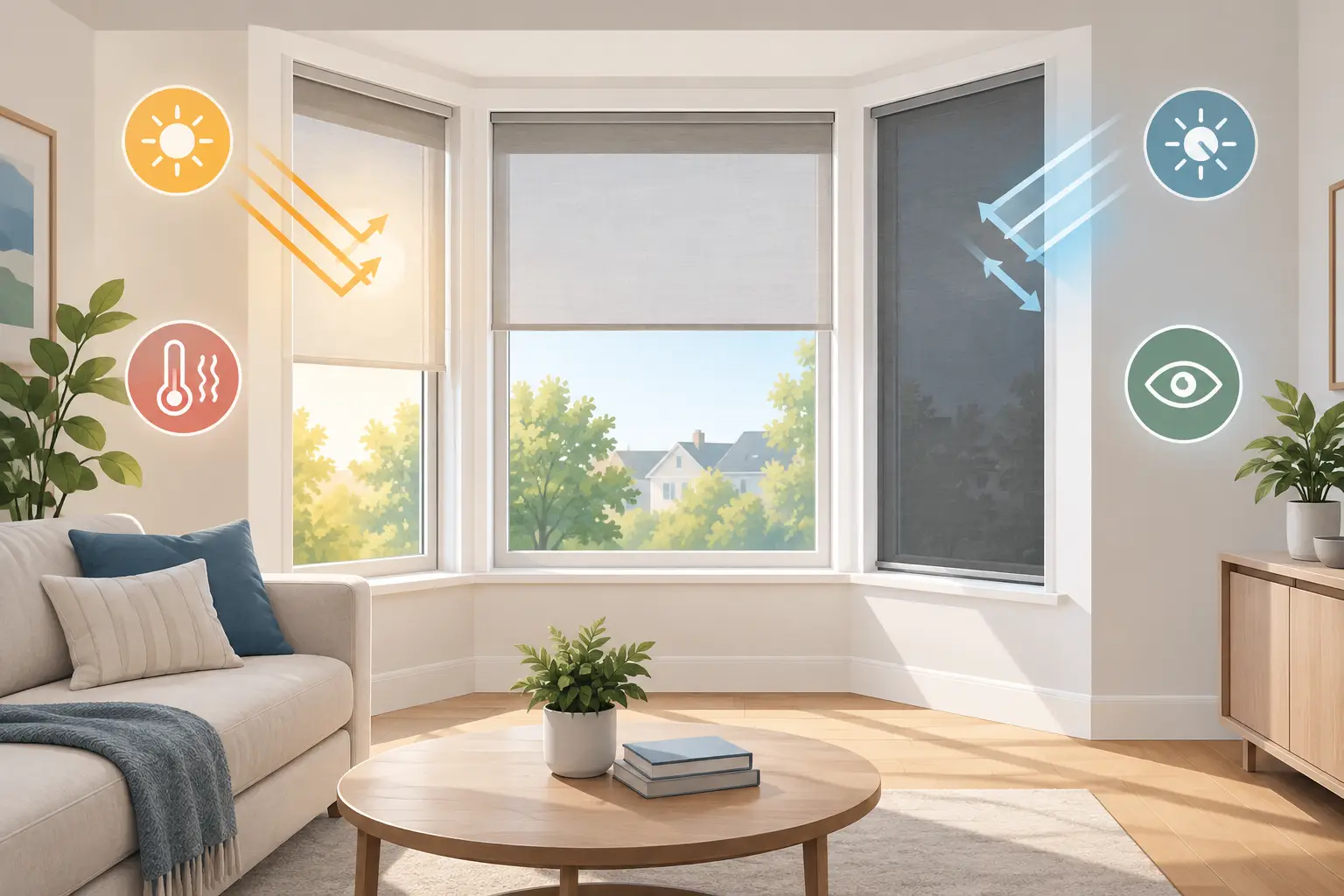
Yes, the right window film can reduce heat loss in winter, but it will not turn poor glazing into high-performance insulation. Film works by improving the way the glass handles solar energy, visible light, and in some cases internal radiant heat. Certain films, especially low-emissivity options, are designed to reflect a portion of room heat back inside rather than allowing it to escape through the glazing.
In practical terms, that can make a room feel more stable and comfortable. You may notice fewer cold spots near windows and less need to overcompensate with heating. For some properties, especially those with larger glazed areas, this can contribute to better energy efficiency. The effect is usually more modest than replacing windows altogether, but it is often far more cost-effective and far less disruptive.
It is worth separating two ideas that are often confused. Reducing heat in summer and retaining warmth in winter are related, but they are not exactly the same job. Standard solar control films are mainly designed to cut excess solar gain, reduce glare, and improve comfort in warmer months. Some still offer year-round benefits, but not every film is specifically built to improve winter heat retention.
Which types of window film help in winter?
The answer depends on the film category.
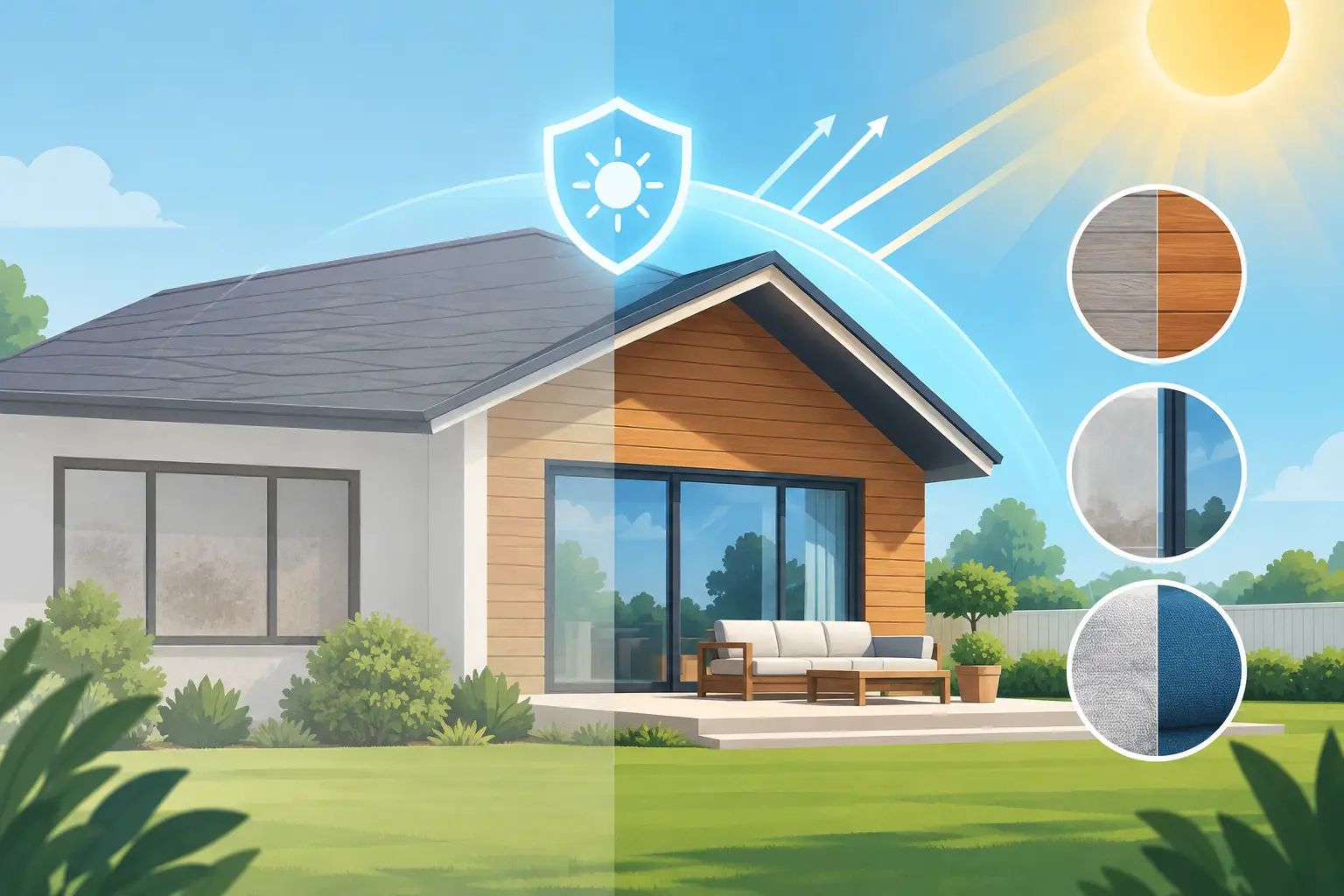
Solar control films are commonly installed to reduce overheating, glare, and UV exposure. On south-facing elevations, conservatories, offices with large windows, and static caravans exposed to full sun, these films can make a major difference in summer. In winter, their main benefit may be comfort and light control rather than a dramatic insulation upgrade, although some products do offer a degree of improved thermal performance.
Low-e films are the more relevant option if winter heat retention is a priority. These films are designed to reduce emissivity, which means they help reflect internal heat back into the room. That can be useful in properties where replacing glazing is not practical or where there is a clear issue with heat escaping through the glass.
Reflective and privacy films can also play a part, but their performance in winter depends on the exact specification. Some clients assume a darker or more mirrored finish automatically means better insulation. That is not always the case. Appearance, privacy level, solar rejection, and thermal performance are separate factors, so the correct product needs to be matched to the building and the outcome required.
Where winter performance matters most
Not every room will show the same result. Properties with extensive glazing usually see the clearest improvement in comfort because that is where heat loss and cold radiation are often most noticeable.
Conservatories are a good example. Many are difficult to regulate all year round, with overheating in summer and a colder feel in winter. A suitable film can help moderate those swings, though expectations need to be realistic. If the conservatory has older glazing, little insulation elsewhere, or draught issues around frames and doors, film will help but it will not solve every problem on its own.
Static caravans can also benefit, particularly in exposed coastal locations where glazing takes the brunt of wind, bright sun, and fluctuating temperatures. Owners often enquire about privacy and summer heat first, then realise the internal environment also feels more manageable in cooler months with the right film in place.
In commercial premises, winter comfort is often about consistency. Offices, reception areas, and customer-facing spaces with large windows can feel cold near the perimeter even when the heating is on. Film can help reduce that imbalance, making the space more usable and more comfortable for staff and visitors.
What window film can and cannot do
This is where honest advice matters. Window film is a performance upgrade for existing glass, not a replacement for proper insulation strategy.
It can help reduce radiant heat loss, improve comfort close to glazing, cut glare, block UV, and in some cases support lower heating demand. It can also make a room easier to use because people are not constantly adjusting blinds, moving away from bright glare, or avoiding the window area in colder weather.
What it cannot do is fix failed units, eliminate draughts from poor seals, or compensate for badly insulated walls and roofs. If cold air is coming through gaps around the window frame, film will not address that. If the glazing is very outdated, the improvement may still be noticeable, but there are limits.
The best approach is to view film as one part of a practical upgrade. For many property owners, that makes sense because it addresses several issues at once – heat, glare, UV, privacy, and appearance – without the cost and disruption of replacing windows.
Does window film reduce heat in winter enough to save money?
Potentially, yes, but savings vary from property to property.
The amount you save depends on the size and type of glazing, the orientation of the building, the existing heating system, how the space is used, and the film installed. A heavily glazed office, a sun-exposed conservatory, or a static caravan with large window areas may see more practical benefit than a small room with limited glass.
It is also important to think beyond the energy bill alone. Comfort has value. If a room is unpleasantly cold near the windows, people often turn the heating up higher than necessary or avoid using part of the space altogether. Film can improve the feel of the environment, and that alone can make the installation worthwhile.
For commercial buildings, there is also the wider picture of occupant comfort and operational efficiency. A more stable indoor temperature can support a better working environment, particularly in spaces with screens, customer seating, or open-plan layouts.
Why professional specification matters
Window film is not a one-size-fits-all product. The wrong film can leave you with an underwhelming result or a finish that does not suit the property.
That is why professional assessment matters. A proper recommendation should consider the glazing type, orientation, room use, privacy needs, glare issues, and whether the main goal is summer heat reduction, winter heat retention, or a balance of both. In many cases, clients ask for one thing and actually need a broader solution.
For example, a homeowner may ask about keeping warmth in during winter, but the larger issue may be that the same room overheats in summer and suffers from glare all year. A commercial client may start with energy efficiency but also need improved daytime privacy and a more professional external finish. A static caravan owner may want comfort, privacy, and UV protection in one installation.
Commercial-grade film and proper installation make a difference here. Performance depends on both the product and the way it is applied. A neat, professional finish is not just about appearance. It supports durability and ensures the film performs as intended over time.
Is window film worth it for winter alone?
Sometimes yes, but usually the strongest case for window film is the combined benefit across all seasons.
If your only concern is winter insulation and the glazing is in very poor condition, there may be other improvements worth considering alongside film. But if you want a practical upgrade that also tackles glare, UV fading, privacy, and summer overheating, the value becomes much clearer.
That is why many property owners choose film even when winter heat retention is only part of the conversation. It is a versatile solution for flat glass that improves how the building feels and functions day to day.
For customers across North Wales, the Wirral, Chester and surrounding areas, the most effective route is usually to match the film to the actual problem rather than chasing a generic product claim. At Tinting For Glass, that means recommending tailored solutions for homes, conservatories, static caravans, and commercial premises based on performance, not guesswork.
If your rooms feel too hot in summer, too exposed in daylight, or noticeably colder around the windows in winter, the glass is telling you something. The right film will not do every job, but it can do a very useful one – making the space more comfortable, more efficient, and easier to live or work in all year round.