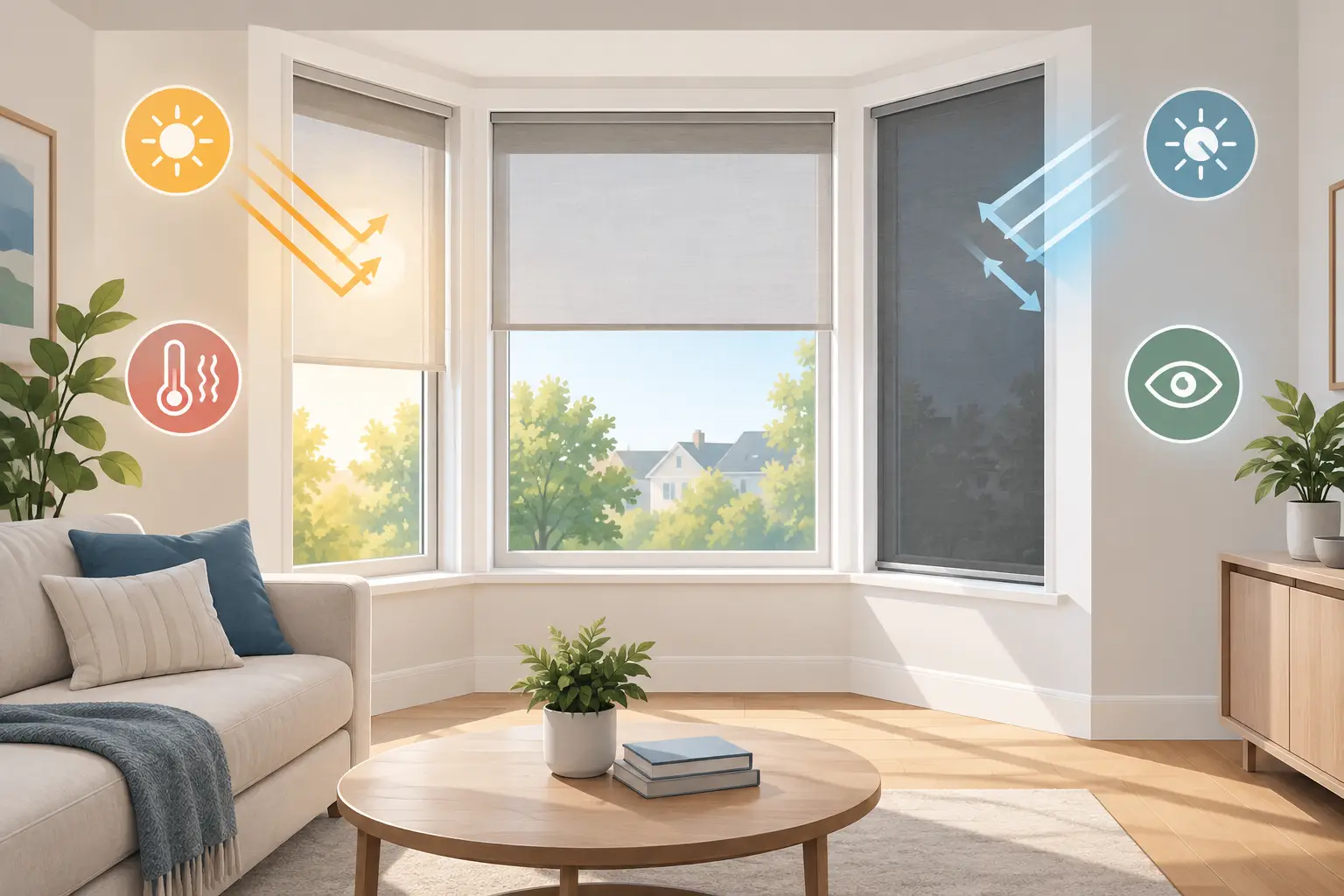
A meeting room that feels exposed changes how people use it. Staff lower their voices, clients become guarded, and video calls are filled with background movement and glare. Commercial film for meeting room privacy solves that problem in a practical way, giving you a more confidential space without boarding up the glass or making the room feel closed in.
For offices across North Wales, The Wirral, Chester and surrounding areas, privacy film is rarely just about stopping people looking in. It also affects comfort, concentration and how professional the space feels day to day. When the right film is specified and fitted properly, glass meeting rooms stay brighter, more usable and far better suited to confidential conversations.
Why meeting room privacy matters more than people expect
Glass partitions and glazed office fronts look clean and modern, but they can create problems once the space is in regular use. Finance discussions, HR meetings, supplier negotiations and internal planning sessions all need a level of visual privacy. If people can see silhouettes, laptop screens or body language from the corridor, the room stops feeling private even before any sound is heard.
There is also the practical side. Meeting rooms often suffer from heavy glare, especially where screens, presentation displays and strong daylight combine. In many offices, the same glazing that creates the privacy issue is also causing heat build-up and uncomfortable brightness. That is why a commercial-grade film is often the better answer than blinds alone. It can address privacy while improving glare control and helping the room stay more comfortable through the day.
What commercial film for meeting room privacy actually does
Commercial film for meeting room privacy is applied directly to existing flat glass to reduce visibility through the glazing. Depending on the film selected, that can mean obscuring the view fully, softening visibility into shapes and movement, or creating daytime privacy through reflective finishes.
The best choice depends on how the room is used. A boardroom facing a public reception area may need a stronger privacy finish than a small internal meeting pod. A room used for presentations may also need better anti-glare performance, while a street-facing office could benefit from solar control as well as privacy.
This is where a tailored specification matters. Not every privacy film behaves the same way, and not every office needs the darkest or most reflective option. In some cases, a frosted manifestation-style finish is the right fit. In others, a solar reflective film gives a better balance of daytime privacy, glare reduction and a professional external appearance.
The main film options for meeting room glass
Frosted and etched-effect films
Frosted film is one of the most common options for internal meeting rooms. It obscures direct views while still allowing good light transfer, so the room does not feel boxed in. For offices that want privacy across internal glass partitions, this is often the cleanest and most reliable choice.
It is especially useful where confidentiality matters throughout the day and evening. Unlike reflective films, frosted finishes do not rely on lighting conditions to perform. The trade-off is that you lose clear visibility through the glass altogether, so it suits rooms where permanent visual screening is wanted.
Reflective privacy films
Reflective films are often used where external meeting room glazing needs daytime privacy as well as solar control. They help reduce inward visibility from outside while also cutting glare and rejecting a proportion of solar heat.
These films can work very well in bright commercial spaces, but there is an important point to understand. Daytime privacy depends on the light balance. When it is brighter outside than inside, reflective film performs strongly. At night, with lights on indoors, the effect is reduced. That does not make it the wrong product, but it does mean the room’s usage pattern needs to be considered properly before installation.
Tinted solar control films
Some meeting rooms do not need full obscurity, but they do need less visual exposure and better screen comfort. In that case, tinted solar films can be a sensible middle ground. They reduce glare, improve comfort and add a degree of privacy without completely changing the appearance of the room.
This suits offices that want a more open feel while still making the space easier to use for calls, presentations and focused discussion. The level of privacy is lighter than a full frosted or reflective solution, so this option works best where the room is not directly overlooked at close range.
Choosing the right commercial film for meeting room privacy
The right film starts with the room, not the product brochure. Position, glass type, surrounding light, use of screens and the required privacy level all affect what will work best.
If the room sits on an internal corridor and people regularly walk past, a frosted or partial-opacity finish is usually the most dependable answer. If the glazing faces outside and afternoon sun is making the room too hot and bright, a reflective or solar control film may be more suitable. Some offices also choose to apply privacy film to part of the glass only, keeping a glazed look at the top while screening seated eye level. That can maintain openness without compromising confidentiality.
There is no single best film for every meeting room. Stronger privacy often means less visibility out. Higher reflectivity can improve daytime performance but may alter the external appearance of the glass. The advantage of a professional survey is that these trade-offs can be assessed before anything is fitted.
Practical benefits beyond privacy
A good meeting room should support concentration. Privacy film helps with that in more than one way.
Reduced glare is a major gain for offices using screens, laptops and display panels. Harsh light on glass walls often creates distraction, eye strain and awkward seating positions. By controlling glare, film makes the room easier to use for longer meetings and hybrid working.
Heat reduction is another benefit where solar control film is used. Rooms with extensive glazing can become uncomfortable quickly, particularly in summer or on south-facing elevations. Bringing solar gain down can make the space more usable and reduce reliance on fans or air conditioning.
There is also the appearance of the space. A professionally finished privacy film can make meeting rooms look more considered and consistent. For client-facing premises, that can support a cleaner, more professional impression than temporary blinds or improvised coverings.
Why professional installation matters
Meeting room glazing sits at eye level, which means every edge, bubble and misalignment is easy to spot. In commercial settings, finish matters. A poorly fitted film can make the whole space look untidy, even if the product itself is good quality.
Professional installation also helps ensure the right film is chosen for the glass and use case. Some films are better suited to internal partitions, others to external elevations where solar performance is needed. Glass compatibility, room orientation and the desired finish all need to be considered properly.
For businesses, disruption matters too. A professional installer can plan the work efficiently, minimise interference with office use and deliver a result that performs as expected from day one.
A practical upgrade for offices across the region
For property managers, office owners and facilities teams, meeting room film is one of the more straightforward improvements you can make to an existing workspace. It does not require structural changes, and it can solve several issues at once – privacy, glare, comfort and presentation.
That makes it a strong option for offices being refurbished, reconfigured or simply made more practical for current staff and visitors. Whether the aim is to protect confidential discussions, improve screen visibility or give a glazed room more purpose, the right commercial-grade film can make an immediate difference.
Tinting For Glass supplies and installs tailored flat glass film solutions for commercial premises across North Wales, The Wirral, Chester, Manchester, Salford, Worsley and Runcorn, with local coverage extending across areas including Llandudno, Conwy, Prestatyn, Anglesey, Abersoch and Pwllheli.
If your meeting room looks impressive on paper but is awkward to use in practice, the glazing is often the reason. The right film does not just change the glass – it changes how confidently the room can be used.