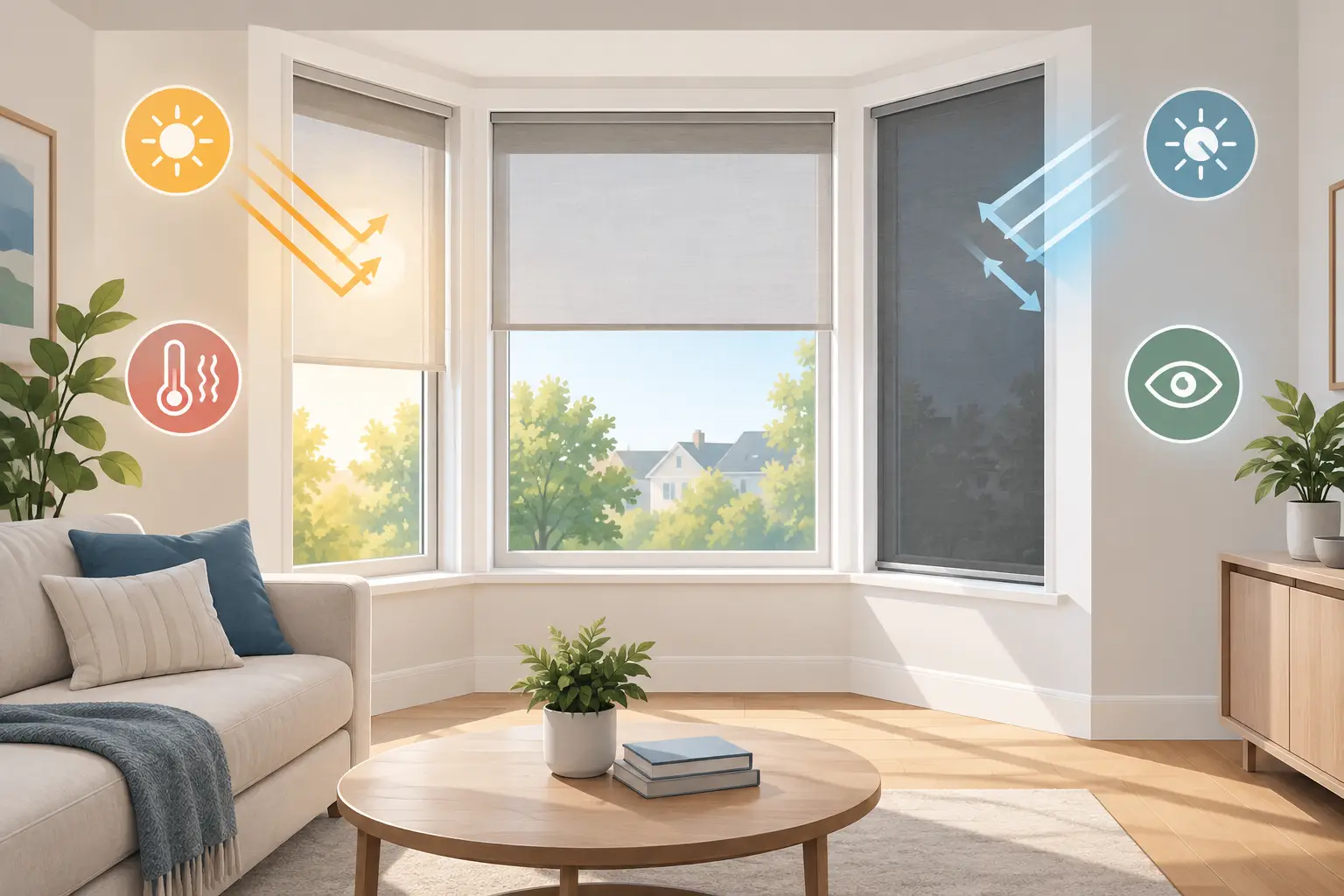
When a room turns into a greenhouse by mid-afternoon, the glass is usually the problem. The best reflective window film for homes is not simply the darkest option on the market. It is the film that matches the way the room is used, the direction the glazing faces, and how much privacy, glare control and heat reduction you actually need.
For most homeowners, reflective film is about making a space more usable. South-facing lounges, conservatories, garden rooms and large front windows often let in too much solar heat and too much glare long before they let in too little light. A good reflective film cuts that excess back without making the property feel shut in.
What makes the best reflective window film for homes?
The short answer is performance, not appearance alone. A reflective finish may look smart from the outside, but the real test is how well it manages solar energy, UV exposure and visual comfort indoors.
The best films for domestic properties usually combine four things. They reduce heat build-up, cut harsh glare, block the vast majority of UV rays, and provide useful daytime privacy. Commercial-grade films tend to do this more reliably because they are designed for long-term flat glass performance rather than short-term cosmetic effect.
That said, there is no single film that suits every home. A detached house with large rear glazing has different needs from a static caravan by the coast, and both are different again from a bay window facing a busy road. Reflectivity level, light transmission and glass compatibility all matter.
Reflective film types and where they work best
High-reflective films
These are usually the first option people think of. They have a stronger mirrored appearance from the outside in daylight and are often chosen where privacy and solar control are the main priorities.
They work well on sun-exposed windows, conservatories and static caravans that become uncomfortable in warmer months. If your main problem is rooms overheating or becoming too bright to enjoy, a higher-reflective film can make a noticeable difference.
The trade-off is appearance and internal lighting. A stronger reflective finish can alter the outside look of the glazing more obviously, and because it cuts more solar gain, it may also slightly reduce the softer natural brightness some homeowners want to keep.
Medium-reflective films
For many homes, this is the sweet spot. Medium-reflective films offer a balanced result – solid glare reduction, useful heat rejection and daytime privacy, without the more pronounced mirror effect of heavier films.
They are often a sensible choice for living rooms, kitchens and front-facing windows where comfort matters but you do not want the glass to dominate the appearance of the property. If you want practical improvement without an overly commercial look, medium reflectivity is often the strongest candidate.
Dual-reflective films
These films are designed to be more reflective externally than internally. In practice, that can mean better daytime privacy from outside while preserving a clearer view from inside.
They are especially useful where homeowners want solar control but do not want to feel boxed in. On rear elevations, patio doors and larger domestic glazing, dual-reflective film can offer a more comfortable internal finish than some highly mirrored products.
Privacy matters, but only in the right conditions
Reflective window film is often chosen for privacy, but this is where expectations need to be clear. Reflective films provide daytime privacy, not round-the-clock one-way vision.
If it is brighter outside than inside, the reflective outer surface helps obscure the view in. Once interior lights are on and it is darker outdoors, that effect reduces. At night, people outside may still see in unless curtains or blinds are used.
That does not make reflective film less useful. It simply means the best reflective window film for homes should be selected with the real use case in mind. For street-facing windows, daytime privacy may be exactly what you need. For a bathroom or a room needing permanent privacy, a different privacy film or obscured solution may be more suitable.
Heat reduction is where quality film earns its keep
A lot of homeowners first enquire because of privacy, then end up most pleased with the temperature control. Solar heat gain through glass can make one room far less comfortable than the rest of the property, especially in summer or in rooms with extensive glazing.
A properly specified reflective film helps reject a significant portion of solar energy before it turns into trapped heat indoors. That can make conservatories more usable, improve comfort in loft conversions and garden rooms, and reduce the need to keep blinds shut all day.
For static caravans, the effect can be particularly worthwhile. Caravan glazing often allows strong sun exposure with little shelter, and interiors can heat up quickly. Reflective film helps maintain a brighter but more controlled internal environment while also easing glare and UV exposure.
Do not ignore glare and UV protection
Heat gets most of the attention, but glare is often the day-to-day frustration. Television screens, laptops, polished floors and worktops can all become difficult to use when sunlight is bouncing straight through untreated glass.
Reflective film softens that intensity. Rooms remain bright, but the light becomes easier to live with. That matters in home offices, lounges and kitchens where natural light is welcome but constant squinting is not.
UV protection is another practical benefit. A quality film can block the vast majority of harmful UV rays, helping protect flooring, furniture, fabrics and finishes from fading. It will not stop every form of fading completely, because visible light and heat also play a part, but it is an important layer of protection for interiors that receive regular sun exposure.
How to choose the right film for your home
The right choice usually comes down to a few practical questions. Which rooms overheat? Which windows feel overlooked? Are you trying to keep the room cooler, cut glare, protect furnishings, or all of the above?
Glass type is also important. Not every film is suitable for every pane. Toughened glass, double glazing, older sealed units and large glazed sections all need proper assessment before installation. Applying the wrong film to the wrong glass can create avoidable stress and performance issues.
This is why professional advice matters. Rather than picking film by shade card alone, it is better to match the product to the glazing, orientation and use of the room. A professionally installed commercial-grade film should be selected for long-term performance, not guesswork.
Best reflective window film for homes in real-life settings
In a front living room facing the road, a medium or dual-reflective film often gives the most balanced result. You gain useful daytime privacy and glare reduction while keeping the room comfortable and bright.
In a conservatory or sunroom, stronger solar control is usually the priority. A higher-reflective film may be the better fit because managing heat build-up matters more than a subtle external appearance.
For patio doors or rear glazing, dual-reflective films are often worth considering. They can reduce the harshness of direct sun while preserving a better outward view.
For static caravans in coastal or holiday locations, reflective films are often chosen for the full combination of benefits – cooler interiors, less glare, UV protection and more daytime privacy when the site is busy.
Why installation quality matters as much as the film
Even the right product can disappoint if it is poorly fitted. Dust contamination, edge lift, trimming issues and weak adhesion all affect both appearance and durability.
Professional installation gives you a cleaner finish and, just as importantly, proper guidance on what should and should not be applied to your glazing. That is especially relevant in homes, conservatories and caravans where glass specifications vary more than many people realise.
For property owners across North Wales, The Wirral, Chester and surrounding areas, the safest route is to speak to a specialist who works with flat glass applications every day. Tinting For Glass provides tailored, professional window film installation for homes, static caravans and commercial premises, helping customers choose a finish based on performance rather than guesswork. More information is available at https://tintingforglass.com.
If you are deciding between several reflective options, the best choice is usually the one that solves the actual problem in the room – not the one that looks darkest on paper. A well-chosen film should make the space easier to use, more comfortable to sit in and better protected for the long term.