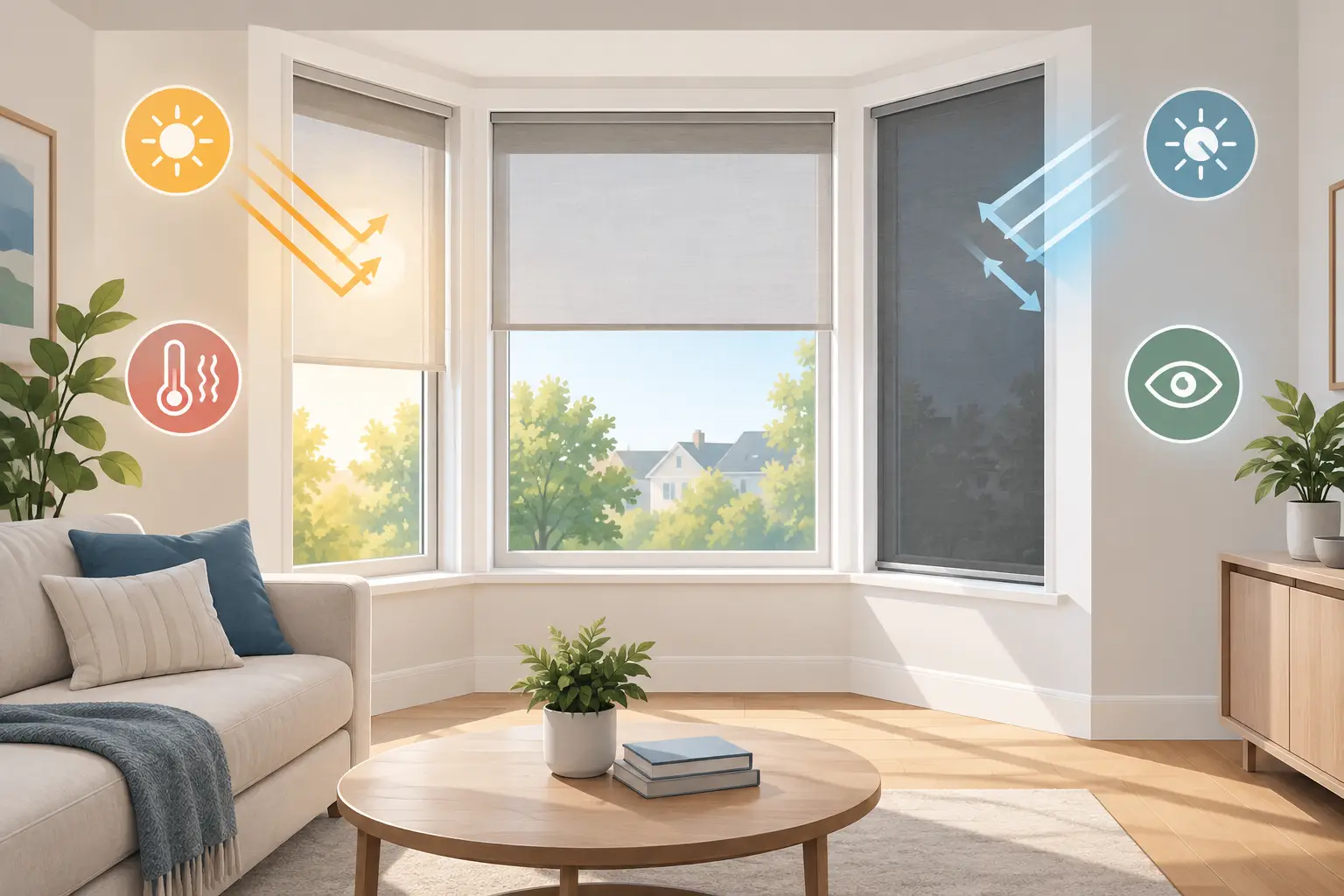
If you are comparing quotes for window film, the price can look inconsistent at first glance. One property may need a straightforward privacy film on a few accessible panes, while another needs heat-control film on a conservatory roof with awkward access and multiple shapes. The result is that window film installation cost is never just about the glass area alone.
For most customers, the better question is not simply “how much does it cost?” but “what am I paying for, and what result will I get?” That matters whether you are trying to cool a south-facing home, reduce glare in an office, add daytime privacy to a static caravan, or protect furnishings from UV damage.
What changes window film installation cost?
The biggest factor is usually the type of film being installed. A standard privacy film and a high-performance solar control film do different jobs, so they are priced differently. Films designed for strong heat rejection, anti-glare performance, reflective finishes, or enhanced safety will generally sit at different price points because the materials themselves are different.
The size and number of panes also affect the total. Larger areas can improve value per square metre in some cases, but only if the installation is efficient. A single large pane may be easier to film than several small panes with frames, bars, tight edges, or difficult positioning.
Access is another key part of the price. Ground-floor internal glass is usually simpler than high-level windows, stairwells, conservatories, or awkward commercial glazing. If more preparation time is needed, or if installation has to work around furniture, displays, or business operations, labour costs naturally shift.
Condition matters too. Film performs best on properly prepared glass. If windows need extra cleaning because of residue, old adhesive, silicone contamination, or heavy buildup, that adds time. If old film has to be removed first, that is a separate part of the job and can be labour-intensive.
Typical window film installation cost by application
For homes, pricing tends to depend on what the customer is trying to fix. If the issue is glare in a living room or heat buildup in a conservatory, the recommended film may be a higher-performance solar product rather than a basic tint. That can increase the initial spend, but it is often the difference between a film that looks darker and a film that genuinely improves comfort.
Residential window film
Domestic customers often ask about bedrooms, front-facing rooms, bay windows, patio doors and conservatories. Straightforward windows with good access are usually the most cost-effective to install. Costs can rise when there are shaped panes, roof sections, narrow strips of glass, or a need to match the look across several elevations.
Privacy films are often chosen for overlooked rooms or street-facing glass. Solar control films are more common where rooms overheat or where glare makes the space harder to use. In many homes, the best value comes from solving the actual problem rather than choosing the cheapest film on paper.
Static caravan window film
Static caravan owners often need a very specific mix of benefits: daytime privacy, less summer heat, reduced glare, and UV protection without making the inside feel dark. The layout of caravan glazing can make pricing less straightforward, because there may be multiple windows, tighter working areas, and a need for a finish that suits the exterior appearance.
This is one of those areas where the film choice really affects the total. A cheap dark tint may not deliver the privacy or solar performance expected. A commercial-grade reflective or solar film usually provides a better result, but the installation cost reflects the higher-performing material and the care needed for a neat finish in a compact space.
Commercial window film
Commercial jobs range from small shopfronts to offices and larger premises. The cost can vary widely depending on scale, access, working hours and the performance brief. An office looking to reduce screen glare and improve comfort across a full elevation is a different project from a retail unit adding privacy to a stock room or internal glazed partition.
Larger commercial installations can offer better value per pane because of job size, but only where access and logistics are straightforward. If work has to be completed out of hours, around staff, or with special care in customer-facing areas, that will influence pricing. On the other hand, businesses often see clear practical value in better comfort, reduced glare and a more usable internal environment.
Window film installation cost by film type
Not all films are priced the same because not all films perform the same. This is where many online price comparisons fall short.
Solar control films
These are designed to reduce heat and glare while helping maintain natural light. They are often used in conservatories, sun-facing rooms, offices and static caravans where temperature control is a real issue. Because they are performance-led products, they usually sit above entry-level decorative or basic privacy films.
Privacy and reflective films
These are popular where daytime privacy matters, such as street-facing homes, office fronts and caravan windows. Reflective options can also support solar control, so the price depends on how much performance is built into the product. A stronger reflective finish may deliver better daytime privacy, but it may also change the external appearance more noticeably.
UV and fade-reduction films
Where the priority is protecting flooring, furnishings, displays or interiors from sun damage, UV-filtering films can be a sensible investment. These are often selected for homes with strong sun exposure and for commercial premises where stock or interiors are at risk. The cost depends on the level of protection and whether the film is also expected to help with glare or heat.
Safety and security films
These films are generally specified for added peace of mind rather than appearance alone. They can help hold shattered glass together and are often considered in shops, offices and vulnerable glazed areas. Because they are thicker, more specialised products, they are typically priced differently from standard solar or privacy films.
Why quotes can differ so much
When two quotes are far apart, it is usually because the job specification is not like-for-like. One installer may price a basic film that changes the look of the glass, while another prices a commercial-grade film selected to solve heat, glare or privacy properly. Without checking the exact film type and intended result, a lower quote can be misleading.
Installation standards also matter. Proper preparation, accurate cutting, clean finishing and product suitability all affect the long-term result. A film that lifts early, shows contamination, or underperforms in summer is not better value because it cost less upfront.
That is especially true for conservatories, static caravans and larger commercial glazing, where the wrong product choice is often what leads to disappointment. The cheapest route can become the expensive one if the film has to be replaced.
Is window film worth the cost?
For many customers, yes – when the film is chosen for a clear reason. If a room is too bright to work in, too hot to enjoy, or too exposed for privacy, window film can make that space more usable straight away. The value is practical rather than decorative.
There is still an element of trade-off. A stronger reflective film may improve daytime privacy and solar performance, but it can alter the external look of the glass more than a neutral product. A lighter film may preserve a more natural appearance, but with less heat rejection. Good advice is about matching the product to the problem, not pushing one finish for every job.
How to get an accurate price
The most reliable quote comes from clear information. Property type, number of panes, approximate sizes, and the issue you want to solve all help shape the recommendation. Photos are often useful because they show access, window style and sun exposure.
It also helps to say whether the priority is heat reduction, glare control, privacy, UV protection, security, or a mix of these. That avoids pricing the wrong film for the job. If you are comparing quotes, ask what film category is being supplied and what outcome it is designed to deliver.
For customers across North Wales, the Wirral, Chester, Manchester, Salford, Worsley and Runcorn, as well as areas such as Llandudno, Conwy, Prestatyn, Anglesey, Abersoch and Pwllheli, a local site-based quote is often the simplest route to accuracy. Businesses such as Tinting For Glass assess the glazing, recommend the right commercial-grade product and price the installation around the actual property rather than guesswork.
Window film is not a one-price-fits-all service, and that is usually a good thing. The right installation should be priced around performance, practicality and the way the space is actually used. If the result is a cooler room, less glare, more privacy and better protection for the interior, the cost makes far more sense than a headline figure on its own.
If you are weighing up options, focus on the problem you want solved first and the film price second. That is usually how you end up with a result worth living or working with every day.