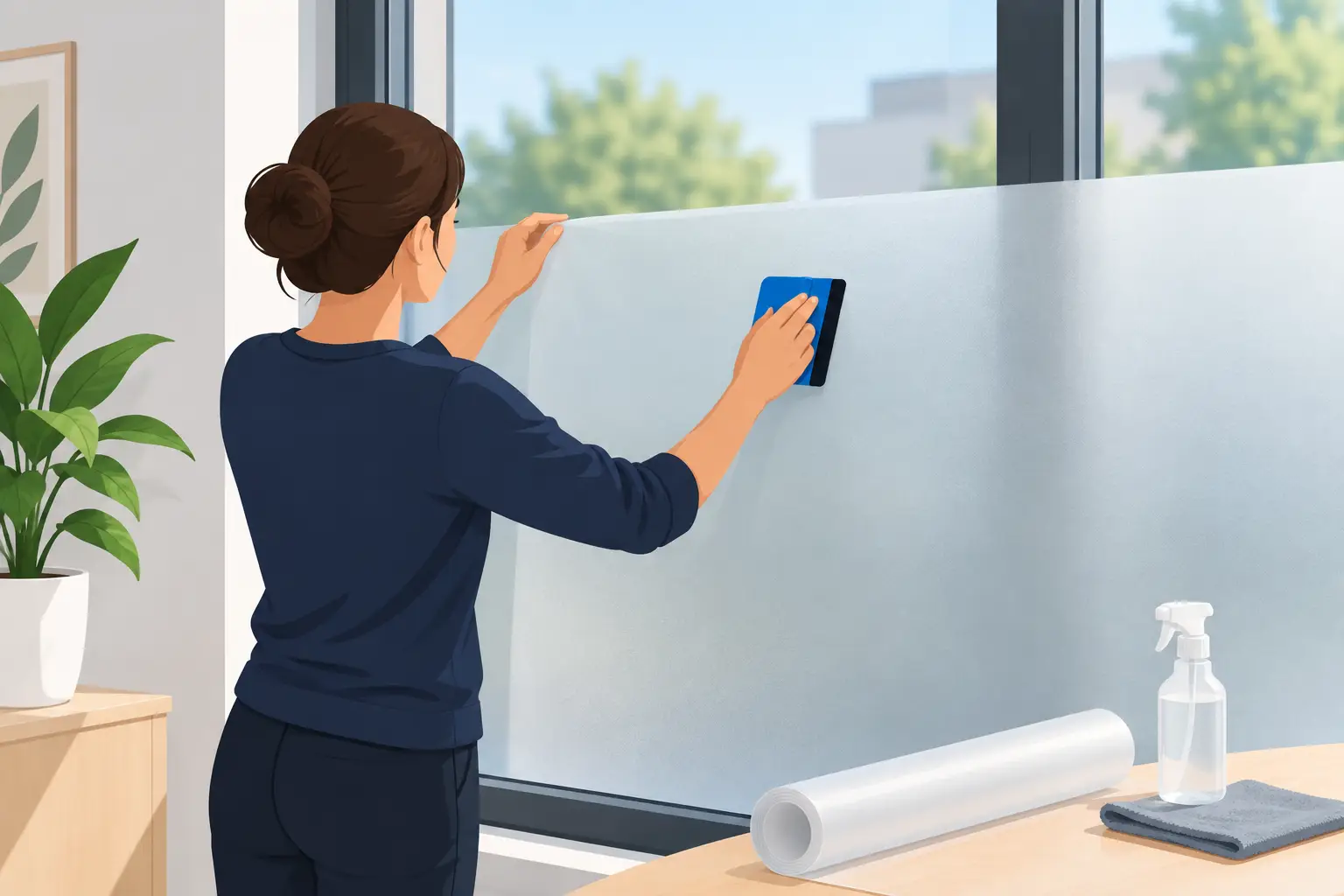
A shopfront can start looking tired long before the fittings wear out. Floor coverings bleach near the glass, display stock loses colour, signage fades unevenly, and the window area ends up hotter and harder to manage than the rest of the premises. If you are looking at how to stop shopfront fading sunlight causes, the answer is usually not to block the window completely. It is to control the parts of sunlight that do the damage while keeping the frontage usable, bright and professional.
For most retail units, salons, offices and customer-facing premises, fading is not caused by one thing alone. UV is the main culprit, but heat and visible light also play a part. That is why basic blinds or moving stock away from the glass often only solve part of the problem. A more reliable fix comes from treating the glazing itself with a professional film chosen for the building, the orientation and the way the space is used.
How to stop shopfront fading sunlight damage
The first step is understanding what is actually fading. In some premises it is merchandise in the display window. In others it is flooring, printed materials, furniture, upholstery, packaging or branding elements just inside the front glass. South-facing and west-facing elevations usually take the worst of it, but large panes can create problems even on less exposed fronts if the sun tracks across them for long periods.
If you only tackle glare, you may still get fading. If you only cut heat, you may still see stock discolour over time. To stop shopfront fading sunlight damage properly, you need to reduce UV transmission significantly and also lower the amount of solar energy passing through the glass. Commercial-grade window film is designed for exactly that job.
Applied to flat glass, solar control film can help protect interiors without turning the premises into a dark box. The right specification reduces UV, cuts glare, improves comfort and helps stabilise the conditions around the front of the unit. That matters for both presentation and asset protection.
Why standard glass is not enough
Many owners assume modern glazing already protects displays. It helps a little, but it does not usually do enough on its own for premises with direct sun exposure. Ordinary glass can still allow a substantial amount of UV and solar heat through, particularly across wide shopfront panels.
This is where film changes the performance of the existing glazing. Rather than replacing the full shopfront system, a film upgrade allows you to improve solar control and UV protection with less disruption and at a lower cost than new glazing. For many premises, that is the practical route.
What actually works for shopfront windows
Curtains and internal blinds can reduce brightness, but they also hide the display and make the front look closed off. That is rarely ideal for a retail or customer-facing setting. Moving stock further back helps if you have the room, but many businesses do not. Rotating display items can slow visible fading, yet it does not stop the underlying exposure.
Window film is usually the best balance because it treats the source of the problem at the glass line. Depending on the finish selected, it can maintain natural light, improve daytime privacy, reduce harsh glare and limit UV exposure in one installation. For businesses that rely on a smart frontage, this is often the most efficient solution.
Choosing the right film for the frontage
Not every film is right for every shopfront. A highly reflective external appearance may suit one premises and feel wrong for another. A neutral film may preserve the look of the glazing better, but performance levels can vary. If the frontage already suffers from excessive heat as well as fading, you may need a stronger solar control product than a business focused mainly on display protection.
This is why tailored recommendations matter. The age of the glass, pane size, orientation, internal layout and intended outcome all affect the correct specification. A professional installer should assess the glazing and match the film to the application, rather than fitting a one-size-fits-all tint.
The benefits beyond fading protection
Businesses often start by asking how to stop shopfront fading sunlight problems, then realise the same fix improves the working environment too. Once film is in place, the front of the premises usually feels more comfortable throughout the day. Staff are not dealing with the same intense hotspots, and customers are not squinting through a bright window area.
Glare reduction is a major advantage for tills, screens and reception desks positioned near the frontage. In offices and salons, it can make the space easier to use without shutting out daylight. In retail settings, it can help displays look clearer and more consistent instead of being washed out by direct sun.
There can also be an energy benefit. If the front glazing is a major source of heat gain, reducing solar load may ease the demand on cooling systems during warmer periods. It depends on the building and usage pattern, but it is a practical gain many commercial premises notice.
Appearance matters in customer-facing premises
Some business owners worry that window film will make the frontage look too dark or dated. That concern is fair, because poor-quality products or the wrong finish can change the appearance more than expected. A commercial-grade film, selected properly, should complement the premises rather than overpower it.
Reflective films can give a sharper external finish and stronger daytime privacy. Neutral or lighter solar films can keep a more understated look while still delivering meaningful protection. The right choice depends on branding, street presence and what customers need to see through the glass.
When fading is already visible
If flooring by the entrance has already lightened or display stock has started losing colour, the damage done cannot usually be reversed. What you can do is stop it getting worse. Installing solar control film at that stage protects replacement items and helps prevent the same pattern returning.
This is especially relevant in businesses with seasonal displays, printed promotional material or higher-value goods near the front window. If replacement costs keep coming back every year, the glass is likely part of the problem. Treating it can be a straightforward way to protect stock and finishes going forward.
Professional installation makes a difference
Shopfront glazing is prominent. Any poor fitting, bubbling or edge lift will be noticed quickly, particularly at street level. That is why commercial installation matters. The film needs to be suitable for the glass, cut and applied correctly, and finished cleanly so it performs as intended and looks professional.
There is also the issue of glass compatibility. Different glazing types need different film considerations, and using the wrong product can create performance or thermal stress issues. A specialist flat glass installer will assess this before any work goes ahead. That protects both the glazing and the long-term result.
For businesses across North Wales, the Wirral, Chester, Manchester, Salford, Worsley and Runcorn, as well as coastal areas where sun exposure can be particularly hard on interiors, a local service with commercial-grade products is often the safest route. Tinting For Glass focuses on flat glass applications and tailored film solutions for homes, static caravans and commercial premises, which is what this kind of problem needs.
How to decide if your shopfront needs film
If any area near the front window feels noticeably hotter than the rest of the premises, if display items fade faster than expected, or if glare regularly affects staff and customers, the glazing is worth assessing. The same applies if you are fitting out a new unit and want to avoid avoidable damage from the start.
The strongest case for film is usually where several problems overlap – fading, heat, glare and lack of daytime comfort. In those cases, treating the glass is not just about appearance. It is about making the frontage work better every day.
A practical assessment should look at the orientation of the unit, the current glass, the type of business, and whether you want a reflective, neutral or more privacy-led finish. There is no single best film for every premises, and that is exactly why a tailored approach delivers better results than guesswork.
Sunlight through a shopfront should help the space, not quietly damage it. If the front of your premises is bleaching stock, heating the room and making the window area harder to use, the right window film can bring that back under control while keeping the natural light people actually want.