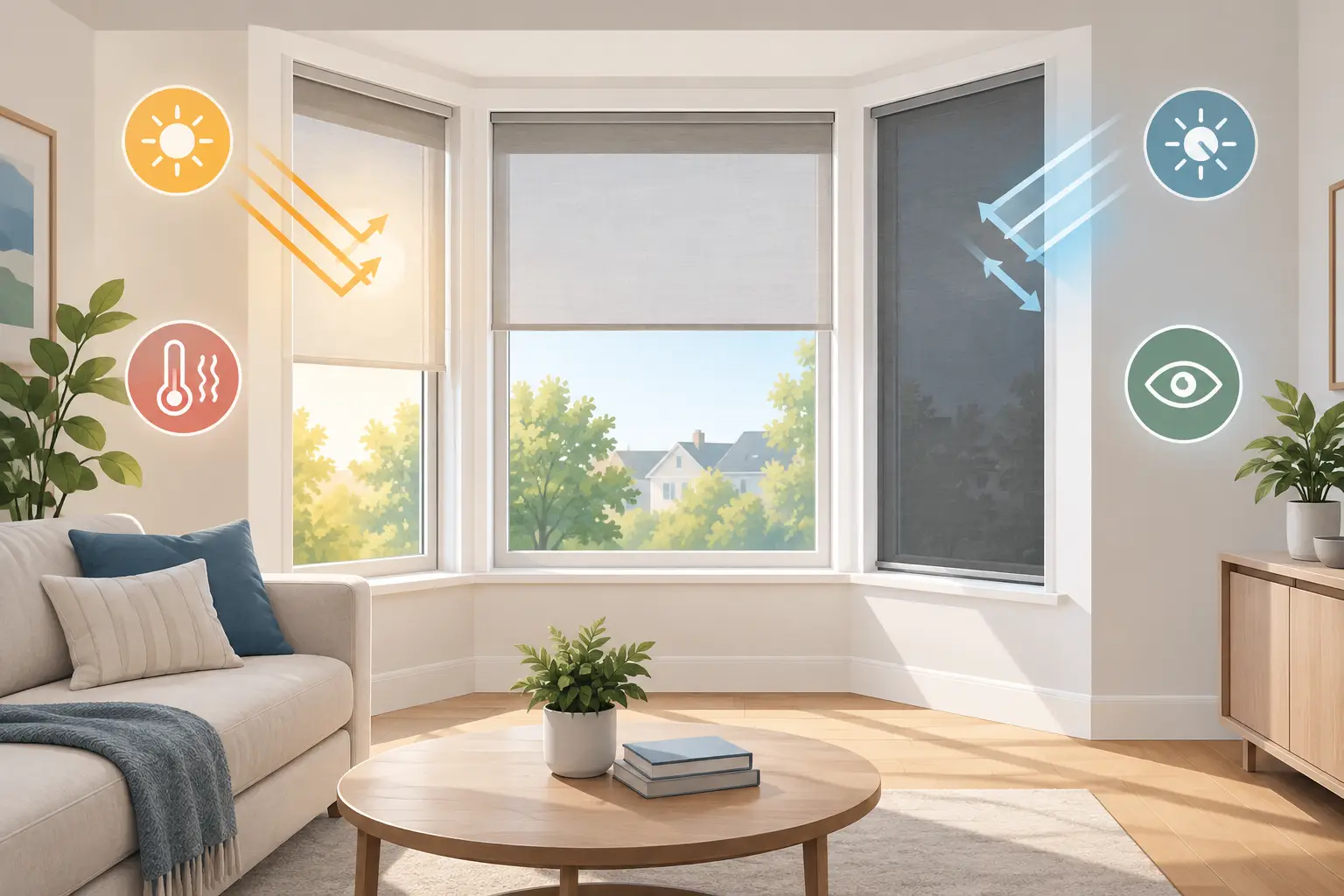
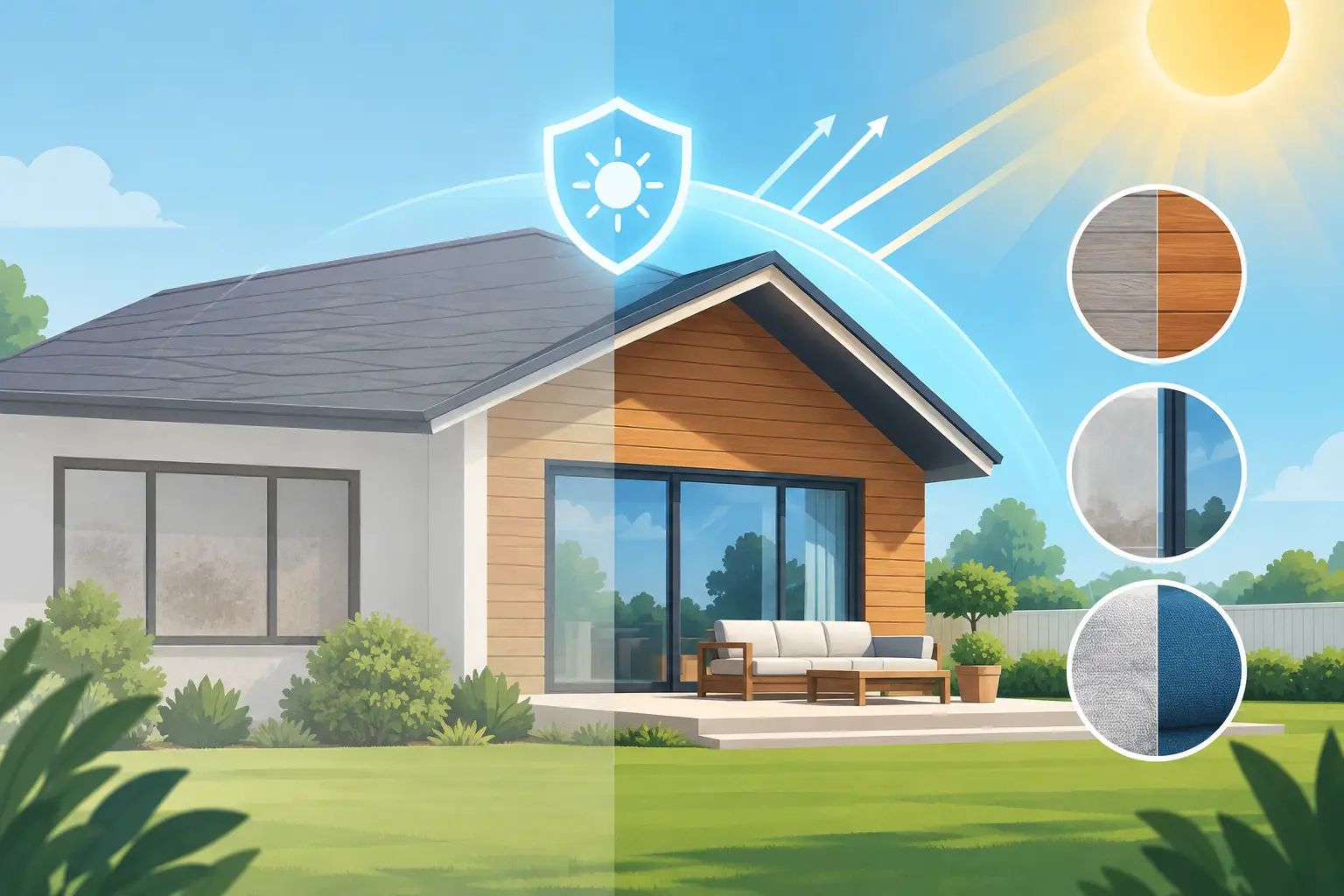
A bathroom window has to do two jobs that can pull in opposite directions: let useful daylight into a compact room while preventing anyone outside from seeing in. Curtains can trap moisture, blinds need regular cleaning, and obscure glass may not provide the finish or flexibility you want. The best films for bathroom windows solve the privacy issue directly on the glass, without making the room feel closed in.
For most homes, a professionally installed frosted or patterned privacy film is the most reliable choice. It provides privacy day and night, still admits natural light, and gives the window a neat, permanent-looking finish. However, the right film depends on the window position, how overlooked the bathroom is, and whether glare, heat or UV exposure are also concerns.
What bathroom window film needs to do
Bathroom glazing is different from a living room or office window. Privacy is usually the first requirement, but a suitable film should also cope well with humidity, be easy to maintain and preserve as much daylight as practical. It should not peel at the edges because of poor preparation or unsuitable fitting.
A good bathroom film can also improve the appearance of older plain glazing. Rather than replacing a serviceable window with obscure glass, film can create a consistent etched, frosted or decorative effect. This is especially useful where a property needs privacy quickly or where the existing glass is clear and overlooks a neighbouring home, path or garden.
It is worth separating privacy from sun control. A film that reduces heat and glare is not automatically private after dark. Likewise, a dense frosted film provides excellent privacy but does not necessarily deliver significant heat rejection. The best result comes from choosing the primary outcome first, then adding other performance benefits where the glass and installation allow.
Best films for bathroom windows by requirement
Frosted privacy film for dependable day and night cover
Frosted film is the practical first choice for most bathroom windows. It obscures views in both directions while allowing soft, diffused light through the glass. From outside, shapes and movement may be visible close to the window, depending on the opacity selected, but clear detail is removed.
This is particularly effective for ground-floor bathrooms, en-suites facing a neighbour, and windows alongside shared access routes. A full frosted finish gives the highest level of coverage. A lighter etched effect can be appropriate when the window is already partly screened or when retaining a brighter appearance is the priority.
Frosted film also has a clean, understated look that suits modern and traditional properties. It does not need the adjustment, cords or slats of a blind, making it a sensible option for rooms where moisture and everyday cleaning are unavoidable.
Patterned film when privacy and character matter
Patterned privacy films use designs, textures or repeated details to break up the view through the glass. They can suit period properties, static caravans, cloakrooms and bathrooms where a plain frosted finish feels too stark. The pattern can offer a decorative result while still preventing direct visibility into the room.
The trade-off is that coverage varies by design. A pattern with large clear sections may not be suitable for a bathroom that is heavily overlooked. For reliable privacy, the denser parts of the design need to cover the sightline from outside, or the film should be combined with a lower frosted section.
This approach works well where the lower half of the window needs screening but the upper pane can remain clearer for daylight and an open feel. A professional assessment helps determine the height required, rather than guessing from inside the room.
One-way reflective film for daytime privacy only
Reflective or mirrored film can offer daytime privacy where the outside is brighter than the bathroom. It can be useful on sun-facing windows because it also reduces glare and solar heat, while providing a reflective exterior appearance.
Its limitation matters: one-way privacy reverses when the bathroom is brighter than outside. At night, with the light on indoors, people outside may be able to see in unless curtains, blinds or another covering are used. For this reason, reflective film alone is rarely the best answer for a bathroom that requires complete privacy at all hours.
It can still be a strong tailored solution for an upper-floor bathroom with an open view, particularly when daytime heat, glare and UV fading are genuine problems. In that situation, the film should be selected for solar performance as well as appearance, with a separate night-time privacy measure in place.
Combination solutions for difficult windows
Some bathrooms have more than one issue. A large south-facing window may suffer from glare and heat as well as overlooking. A static caravan bathroom may need privacy in a compact layout while retaining daylight. In these cases, a single standard film may not offer the right balance.
A combination approach might use a privacy finish on the lower portion of the glass and a solar-control film above, where appropriate. Alternatively, a higher-opacity frosted film can be chosen for a window directly facing another property. The correct solution depends on the glass type, pane size, viewing angles and the level of light available in the room.
Do not rely on tint alone for night-time privacy
This is the most common point of confusion. Tinted and reflective films work by managing light, so they are effective when daylight is stronger outside than inside. They are not a replacement for obscure glass when privacy is needed after dark.
If the bathroom light is on at night, a standard dark tint can make the window appear darker from outside but may still leave the room visible. Frosted and opaque privacy finishes do not depend on the direction of light in the same way. They are therefore the safer choice for bathroom windows on busy streets, close boundaries and overlooked elevations.
If you like the appearance and solar-control benefits of reflective film, plan for a blind or curtain for evenings. It is better to make that choice at the outset than find the limitation after installation.
Choosing the right opacity and coverage
More opacity generally means more privacy, but it can reduce the clarity of the view and slightly change the quality of daylight. For a bathroom, that is often a worthwhile trade-off, yet there is no need to choose the heaviest finish by default.
Consider where people stand outside, not only what can be seen from directly in front of the window. A first-floor window facing a neighbouring upstairs room may need full-height coverage. A ground-floor window above a fence may only require the lower section treated. Bathrooms with a skylight or additional window can tolerate a denser film than a room relying on one small pane for all its daylight.
The window frame and glass layout also affect the finished look. Applying film neatly to individual panes, keeping a consistent margin at the edge, and aligning patterned designs accurately makes a noticeable difference. Commercial-grade films and professional installation are particularly valuable in humid rooms, where preparation and edge finishing help support long-term performance.
Glass type, moisture and installation considerations
Bathroom film is applied to flat glass, but not every pane should be treated in exactly the same way. Double-glazed units, toughened glass, patterned glass and coated glazing can all affect which film is appropriate. Applying an unsuitable solar film to certain glass combinations can increase thermal stress, which is why the glass should be assessed before specifying a heat-rejecting product.
Humidity itself is not usually a problem for a quality film installed correctly on the room-side surface. The key is a clean, dry installation environment and careful preparation of the glass. Film should not be fitted over failing seals, damaged glass or heavy residue. Once installed, it needs time to cure, and temporary haze or small water pockets can be part of the normal drying process.
For cleaning, use a soft cloth and mild solution rather than abrasive pads or harsh chemicals. This keeps the finish clear and avoids scratching the film surface. A well-chosen film is low maintenance, but it is not maintenance-free if it is exposed to limescale, sprays and regular condensation.
When professional fitting is the sensible option
Small bathroom panes can look deceptively simple, yet privacy film is unforgiving when it is cut poorly or applied with dust, trapped moisture or uneven edges. A professional installation gives you access to commercial-grade material, accurate measuring and a finish tailored to how the room is used.
Solar Tint Wales provides professional flat-glass film installation for homes, static caravans and commercial premises, including tailored privacy and solar-control solutions. For properties across North Wales, Chester and the Wirral, an assessment of the glass and the privacy issue helps avoid choosing a film that looks right but performs poorly after dark.
The best bathroom window film is the one that gives you privacy when you actually need it, keeps the room naturally bright, and suits the glass for the long term. Start with the view into the bathroom, consider the light conditions at night, then choose a finish designed for that exact job.